
Gap Arborist Supply
1/2 in Whoopie Sling
Adjustable synthetic sling for setting rigging anchors fast.
Typical $89
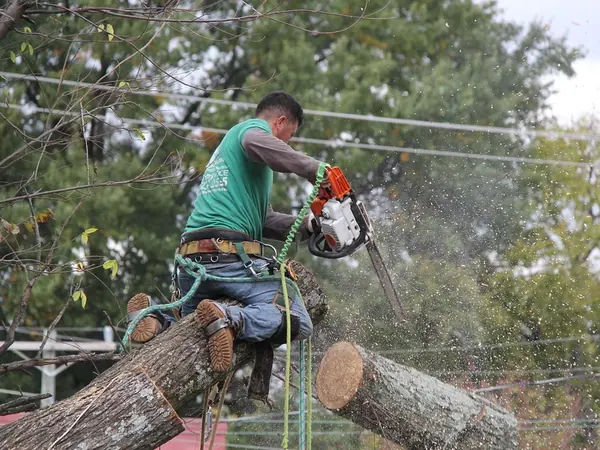
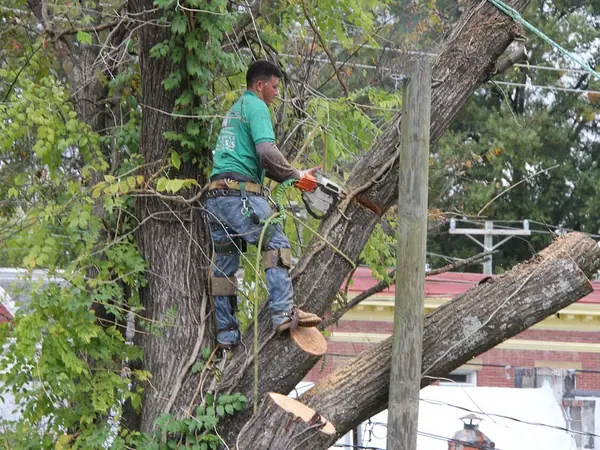
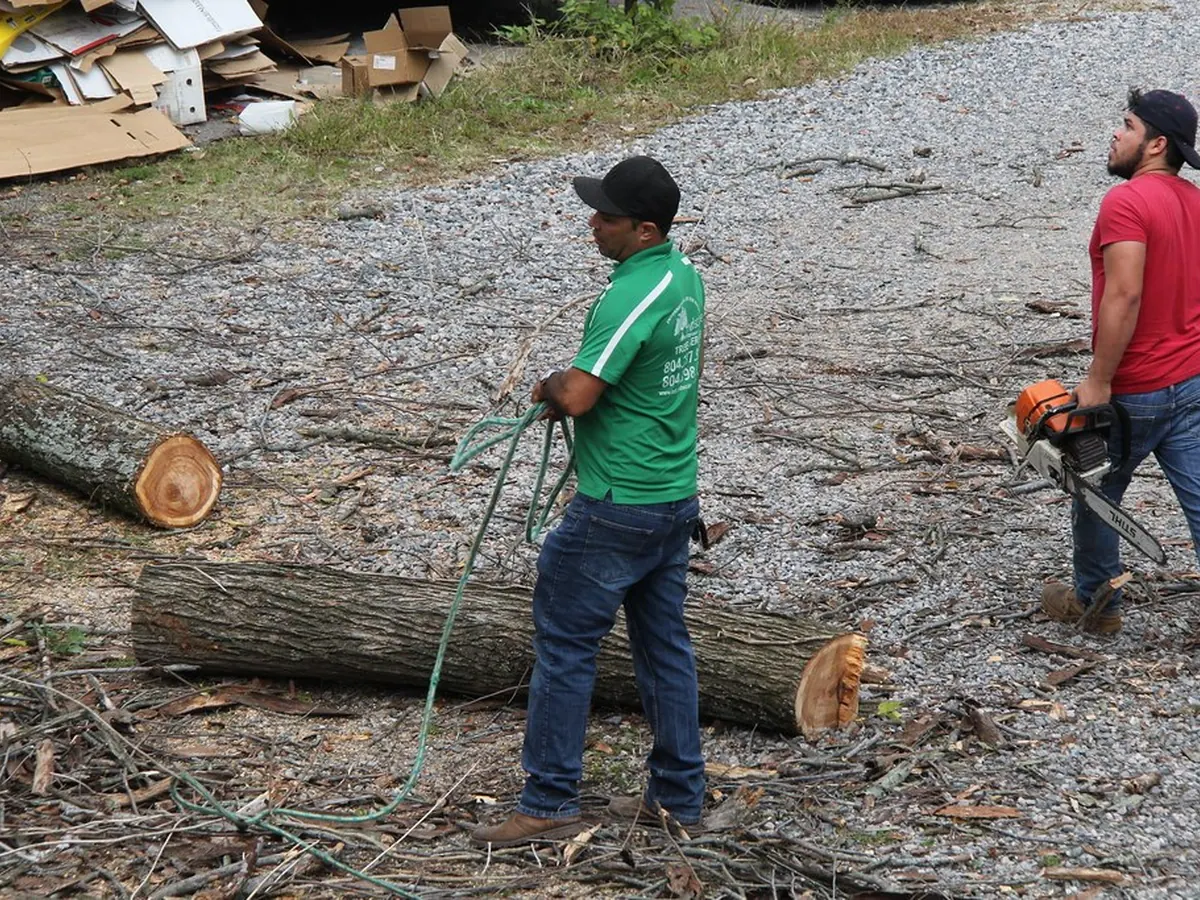
Arborist rigging is how crews take trees apart piece by piece without dropping wood on roofs, fences and lawns. This department covers rigging slings, blocks and pulleys, lowering devices, mechanical advantage systems and ready-made rigging kits.
Gap Arborist Supply
Adjustable synthetic sling for setting rigging anchors fast.
Gap Arborist Supply
A 9/16-inch rope sling with a spliced eye for setting rigging points.
Jail Brake
Tree-mounted friction device for controlled lowering on rigging jobs.
Gap Arborist Supply
A speedline setup for zipping brush and wood over obstacles to the drop zone.
Rock Exotica
A rigging pulley for redirecting and managing lowering lines on removals.
CMI
A steel-sheave rigging block for 5/8 in lowering lines on removal work.
ISC
A compact ISC pulley for light rigging and redirects on lines up to 5/8 in.
Petzl
A small aluminum rigging plate for organizing carabiners at an anchor.
Gap Arborist Supply
A two-sheave swing-side pulley for building compact mechanical advantage systems.
Petzl
A two-sheave in-line pulley for riding tensioned lines and speedlines.
Crosby
A choker hook that turns a length of chain into a sliding log choker.
Crosby
A forged connecting link for joining chain, hooks and rings in the field.
Gap Arborist Supply
A galvanized pinned connector for chain, cable and hitch work around the yard.
Buckingham
A medium friction lowering device for controlled lowering on everyday removals.
Good Rigging
A trunk-mounted lowering device and winch in one, for crews that rig big wood.
Hobbs
A trunk-mounted friction lowering device built for heavy rigging control.
Buckingham
The large friction lowering device for bigger rigging lines and heavy wood.
Maasdam
A replacement handle to get a Maasdam continuous rope puller back to work.
Maasdam
A rope come along that pulls any length of rope for tree and yard work.
Petzl
A small, efficient progress capture pulley for haul systems and SRT tending.
Buckingham
A friction lowering device and soft anchor sling, ready to mount and rig.
Weaver
A packaged speedline setup from Weaver for zipping brush to the drop zone.
Gap Arborist Supply
An adjustable 3/4 in rope sling for anchoring heavy rigging blocks.
Gap Arborist Supply
An adjustable 5/8 in rope sling for hanging blocks on any trunk size.
Gap Arborist Supply
A 5/8 in x 20 ft rope sling for setting chokers on crane-assisted removals.
Gap Arborist Supply
Soft endless polyester slings for crane picks, rigging anchors and lifts.
Gap Arborist Supply
A 1/2 in rope sling, or bull tail, for anchoring blocks and tying off pieces.
Gap Arborist Supply
Flat sewn webbing slings for block anchors, log lifts and redirects.
CMI
Sewn webbing loops for quick anchors, redirects and light rigging.
Gap Arborist Supply
A long, heavy rigging sling with an eye at each end for big removals and wide stems.
Gap Arborist Supply
Heavy-duty blue round sling for crane-assisted removals and big picks.
Gap Arborist Supply
An adjustable 1/2 in. sling with a ring for quick block and redirect anchors.
Gap Arborist Supply
Heavy spliced bull rope sling for setting blocks and choking big wood on removals.
Samson Rope
Single-eye Tenex-TEC sling for choking spars and hanging blocks on heavy removals.
Gap Arborist Supply
Mid-weight spliced bull rope sling for daily blocking and limb rigging.
Tylaska
Dead-eye rigging sling paired with Tylaska low-friction hardware for redirects.
CMI
Friction device that helps the ground crew control loads on a rigging line.
Gap Arborist Supply
A speedline setup for sending brush down a tensioned rope to a clear drop zone.
CMI
A rigging block sized for 1/2 in rope for light lowering work.
CMI
CMI's arborist rigging block for redirecting lowering lines on removals.
ISC
A mid-size ISC rigging block for 5/8 in rope on everyday removals.
ISC
A compact ISC rigging pulley for 5/8 in rope.
ISC
ISC's large rigging pulley for heavy rope up to 25 mm on big removals.
ISC
A 150 kN ISC rigging pulley for rope up to 20 mm.
ISC
A compact ISC rigging pulley for 1/2 in rope and light lowering.
DMM
A compact DMM rigging plate for organizing connectors at an anchor.
Petzl
A medium Petzl rigging plate for building clean multi-point anchors.
CMI
A compact 2 in CMI pulley for hauling and light rope systems.
CMI
A tough stainless steel pulley for 5/8 in rope on hard-working rope systems.
Gap Arborist Supply
A large aluminum single pulley rated 70 kN with a bushing sheave.
Rock Exotica
A swiveling double-sheave pulley for compact mechanical advantage systems.
Rock Exotica
A swiveling single pulley with a 2.6 in sheave for efficient rope work.
AMH
A hook with a wide saddle shaped for round slings in lifting and rigging.
Buckingham
A compact Port-A-Wrap for lowering light limbs and small wood.
Gap Arborist Supply
A friction lowering device for light rigging loads up to 120 kg.
Stein
A trunk-mounted Stein rigging winch for controlled lowering and lifting.
Stein
Winch parts for the Stein RCW 3001, for crews that lower and pull with one device.
Gap Arborist Supply
A rope-and-block pulling system with 120 ft of line, rigged and ready for the truck.
Gap Arborist Supply
A rope-and-block pulling system with 150 ft of line, rigged and ready for the truck.
Gap Arborist Supply
A rope-and-block pulling system with 75 ft of line, rigged and ready for the truck.
Gap Arborist Supply
A pair of fiddle blocks without rope, for crews who want to choose their own line.
Maasdam
Service parts to bring a worn Maasdam rope puller back into work.
Petzl
A compact double pulley with becket for building light haul systems.
CMI
Hardware to set up a speedline and send brush and wood to a clear drop zone.
ISC
An ISC rigging block for 1/2 inch line, with a sling to hang it.
ISC
A light aluminum rigging block for 5/8 inch line with a matching dead-eye sling.
Buckingham
A friction lowering device and an adjustable 5/8 inch whoopie sling to mount it.
Gap Arborist Supply
A 1/2 in. soft sling for anchoring lowering devices and blocks without hardware.
Gap Arborist Supply
A 3/4 in. soft sling for anchoring lowering devices and blocks without hardware.
Gap Arborist Supply
An adjustable whoopie sling with an XL ring for a smooth rigging point.
Gap Arborist Supply
An adjustable 3/8 in. loop sling that sets from about 2 to 4 ft.
Gap Arborist Supply
An adjustable 5/8 in. loop sling that sets from about 2 to 8 ft.
Gap Arborist Supply
A 5/8 in. soft sling for anchoring lowering devices and blocks without hardware.
Gap Arborist Supply
An adjustable sling with two XL rings for redirects and friction rigging.
Gap Arborist Supply
A 3/4 in. soft anchor sling with two XL rings for friction rigging points.
Gap Arborist Supply
A 7/8 in. soft anchor sling with two XL rings for friction rigging points.
Gap Arborist Supply
A flat 2 inch webbing sling with an eye at each end for picks and chokes.
Gap Arborist Supply
A 20 ft, 5/8 inch rope sling for choking picks on crane removals.
Gap Arborist Supply
A 30 ft, 5/8 inch rope sling for choking picks on crane removals.
Gap Arborist Supply
A multi-leg 1/2 in. sling for balancing picks and lowering wood level.
Gap Arborist Supply
A 1/2 inch dead-eye sling made from Samson Tenex-TEC rope.
Gap Arborist Supply
A multi-leg 3/8 in. sling for balancing picks and lowering wood level.
Gap Arborist Supply
A 5/8 inch 12-strand dead-eye sling for hanging rigging blocks.
Gap Arborist Supply
A long 3/4 inch dead-eye sling with a ring for big-stem rigging points.
Gap Arborist Supply
A dead-eye sling with a large Beast ring for heavy friction rigging.
Gap Arborist Supply
A 3/4 in. ring sling you can set and retrieve from the ground.
Gap Arborist Supply
A 9/16 in. ring sling you can set and retrieve from the ground.
Gap Arborist Supply
A 1/2 rope sling with a thimble eye and 28mm ring for natural-crotch and spar rigging.
Gap Arborist Supply
A 3/4 rope sling with a thimble eye and 28mm ring for natural-crotch and spar rigging.
Gap Arborist Supply
Heavy 5/8 in bull rope sling with a thimble and big ring for real wood.
Gap Arborist Supply
A long 5/8 in sling with an eye at each end for big stems and heavy blocks.
Tylaska
A machined Tylaska friction block for building clean, low-wear rigging points.
Tylaska
The LFB-20 size of Tylaska's Basilisk low-friction device for rigging and redirects.
Tylaska
The LFB-28 size of Tylaska's Basilisk low-friction device for rigging and redirects.
Tylaska
The compact Basilisk size for light rigging, redirects, and small lowering setups.
Tylaska
A machined low-friction ring for rigging points, redirects, and lowering lines.
Gap Arborist Supply
Heavy 7/8 in rope sling with a spliced eye for big-wood rigging.
Gap Arborist Supply
A soft, endless round sling for crane picks and heavy rigging points.
The Splice Shop
A 1/2 in rope ring sling with a thimble eye for spar and natural-crotch rigging.
Gap Arborist Supply
Heavy 7/8 in adjustable anchor sling with an oversized ring for big rigging points.
Rock Exotica
Swiveling Omni-Block 2.6 pulley with an adjustable loopie sling for quick rigging points.
Gap Arborist Supply
Rope slings with a ring at one end for choking a stem and building a rigging point.
ISC
An ISC rigging block for 1/2 in rope, paired with an adjustable loopie sling.
Gap Arborist Supply
An adjustable rigging sling sized for big wood and heavy rigging points.
Teufelberger
A heavy 7/8 in tREX sling for big rigging points on serious removals.
Stein
A trunk-mounted lowering device for controlled rigging on removals.
Gap Arborist Supply
A 30 ft rope crane sling for choking large picks on crane-assisted removals.
ISC
A large ISC rigging pulley for redirecting lowering lines on removals.
CMI
A CMI aluminum rigging block for 1/2 in rope, paired with a matching sling.
Gap Arborist Supply
Adjustable 2–4 ft rope sling for setting blocks and pulleys on smaller stems.
ISC
Small, light rigging pulley for redirects, speed lines and lighter lowering.
Gap Arborist Supply
Flat 4 ft webbing sling for crane picks, chokers and general rigging.
DMM
Smallest block in DMM's Impact line, for light rigging and redirects.
Gap Arborist Supply
Heavy 3/4 in adjustable rope sling for anchoring blocks and lowering devices.
Tylaska
A machined low-friction device for rigging points and redirects.
Gap Arborist Supply
A 1/2 in rope sling with a spliced eye and a ring for building rigging points.
Gap Arborist Supply
A starter set of rigging gear for lowering wood on everyday removals.
Sterling Rope
A multi-loop webbing sling for adjustable rigging anchors and attachments.
Weaver
Sewn webbing loops for light rigging points, redirects, and gear anchors.
SMC
A compact rescue-grade pulley for redirects, haul systems, and light rigging.
SMC
A compact SMC pulley in the Apex Direct style for redirects and haul systems.
CMI
A heavy-duty CMI rigging block for large rope and big removal work.
CMI
A lighter aluminum CMI block for everyday removal rigging up to 3/4 inch rope.
ISC
A small ISC rigging pulley for pruning and light removal rigging.
ISC
A mid-size ISC rigging block for heavier removals with rope up to 20mm.
SMC
A larger SMC rescue-grade pulley for haul systems and light rigging.
Rock Exotica
A compact rigging plate for organizing anchors and connectors in rope systems.
Petzl
A swiveling double pulley for haul systems, redirects, and rope work.
Gap Arborist Supply
A pulley shaped to tend a prusik, so a haul system holds every pull.
Rock Exotica
A swiveling Rock Exotica pulley that loads rope without unclipping.
Petzl
A swivel pulley with a becket for building compact haul systems.
ISC
A friction device for lowering light limbs and brush in the canopy.
CMI
A dedicated bag to keep a RopeJack or haul kit together and protected.
Petzl
A double pulley with built-in progress capture for compact haul systems.
Gap Arborist Supply
An adjustable rope sling with a medium ring for quick rigging points.
Gap Arborist Supply
A 4 foot Tenex soft anchor sling for rigging points and anchors.
Tylaska
A machined Tylaska ring for low-friction rigging points and redirects.
Gap Arborist Supply
A heavy rope rigging sling with Tylaska hardware for big rigging points.
Gap Arborist Supply
A short polyester round sling for crane picks and rigging points.
Gap Arborist Supply
A light rope connector that replaces a steel shackle in many rigging setups.
Gap Arborist Supply
A mid-size rope rigging sling with Tylaska hardware for everyday removals.
Nothing matches those filters. Try another brand or raise the price limit.
Buying guide
A basic system has an anchor point in the tree, a rigging block or pulley hung on a sling, a rigging rope running through it, and a friction device on the ground to control the load. The climber ties or slings the piece being cut, makes the cut, and the ground worker lets it run and stops it under control.
Every part has a rated strength, and the weakest component sets the limit. Rigging loads are dynamic: a piece that drops even a short distance before the rope catches it can generate forces several times its weight. Plan cuts to keep drops short.
A tree rigging setup should be planned from the ground before anyone climbs. Decide where pieces will land, where the block will hang, how the rope will run and where the ground worker will stand. Talk the plan through with the crew and agree on commands.
Arborist slings attach blocks and pulleys to the tree and choke the pieces being lowered. Eye-to-eye slings, whoopie slings that adjust in length, round slings for cranes and heavy dead-eye slings each have a place. Rigging rings and steel hardware add options for redirects and friction setups.
Choose slings rated at least as high as the blocks and rope they work with. Protect slings from the saw and sharp edges, and do not use any sling with an unknown rating. Rigging rings are useful for building friction redirects and anchors, but they need to be rated for the loads they will see.
A lowering device such as a Port-a-Wrap or a bollard-style tool mounts on the trunk or a sling and puts controlled friction on the rigging line. Mechanical advantage systems help pull trees over, tension lines and lift loads. Speed line kits move brush across a yard to the drop zone on a tensioned line.
The rigging rope ties it all together. It should be sized to the loads you plan to lower and matched to the blocks and lowering devices in the system. Rigging rope and climbing rope must stay separate; a climbing line should never be used for rigging, and rigging rope is never used for climbing.
Rigging gear is not life support, but a failure can still hurt people. Use gear within its working load, inspect slings and rope before every job, retire damaged gear, and follow ANSI Z133 and the manufacturer's instructions. Rigging is learned best with a qualified trainer and hands-on practice.
If you are building a rigging kit from scratch, start small and add pieces as you learn. Many crews begin with a rigging rope, a block, a few slings and a lowering device, then add mechanical advantage and speed lines as their removals get bigger.
A rigging rope, a rigging block, a couple of slings, a lowering device and carabiners or shackles rated for rigging. Add mechanical advantage and speed line gear as your jobs grow.
Strong enough for dynamic loads with a margin. Know the working load of each component and plan cuts to keep shock loading low.
Use hardware rated and intended for rigging loads. Keep life-support gear separate from rigging gear.
Train with a qualified instructor, practice on low-consequence pieces and follow ANSI Z133 and your company's procedures.
 Free toolRigging Load CalculatorEstimate the weight of a log by species and size, see the shock load of a drop, and size your rope and sling with a working-load margin.