Gap Arborist Supply
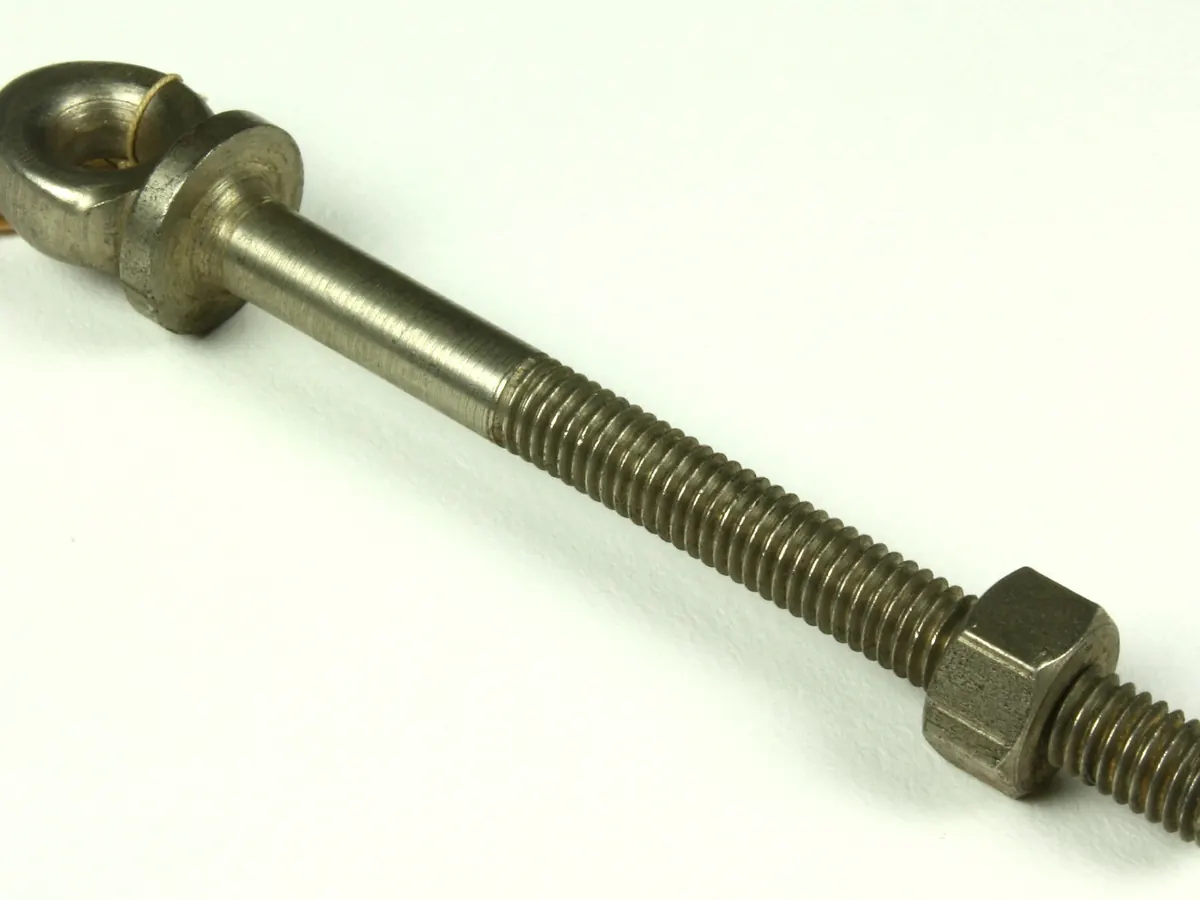
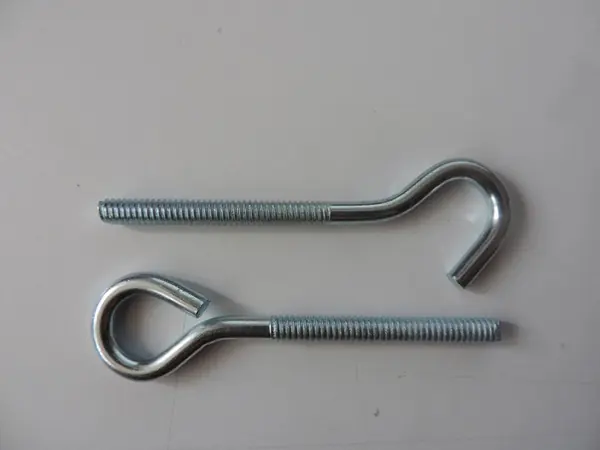
Tree Bracing Rods
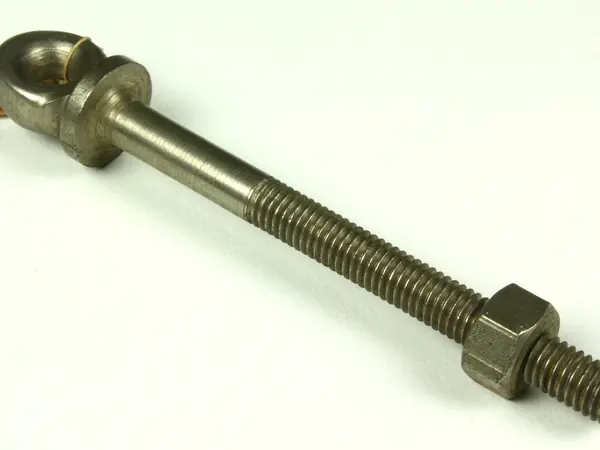
Threaded rods for bracing weak unions and split stems in trees.
Typical $25
Tree care supplies cover the work that keeps trees standing and healthy: cabling and bracing systems, planting and staking hardware, and wound treatment. This department is for arborists who offer more than removals.
Gap Arborist Supply
Threaded rods for bracing weak unions and split stems in trees.
Gap Arborist Supply
Galvanized steel strand for general-purpose, non-critical uses.
Gap Arborist Supply
Extra-high-strength galvanized steel strand for tree support systems.
Gap Arborist Supply
A 3/8 in eye bolt for anchoring light cabling systems in trees.
Gap Arborist Supply
A galvanized lag eye for anchoring light cable systems in small to medium limbs.
Gap Arborist Supply
Hook-style lag anchors for cabling leads with a cable that wraps the J.
Lac Balsam
A brush-on, water-based tree wound dressing for bark damage and grafts.
Gap Arborist Supply
Soft, wide staking web on a roll for supporting newly planted trees.
Gap Arborist Supply
Galvanized U-bolt wire rope clips for guying trees and making eyes in cable.
Duckbill
Drive-in earth anchors for guying smaller newly planted trees.
Gap Arborist Supply
A heavy forged ring for joining cables in tree support systems.
Gap Arborist Supply
Ship auger bit for drilling clean holes for tree cabling and bracing hardware.
Gap Arborist Supply
Ship auger bit for drilling clean holes for tree cabling and bracing hardware.
Gap Arborist Supply
Ship auger bit for drilling clean holes for tree cabling and bracing hardware.
Gap Arborist Supply
Ship auger bit for drilling clean holes for tree cabling and bracing hardware.
Klein Tools
Cable grip that clamps steel strand so you can pull it tight before terminating.
HIT
Hand cable cutter for clean cuts on steel strand during tree cabling jobs.
Preformed Line Products
Drill attachment for driving lag-type cabling hardware into the tree.
Weaver
Nylon basket to carry tree cable and hardware up the tree.
Gap Arborist Supply
A 1/2 in. turnbuckle for fine tension adjustment in guying and support systems.
Gap Arborist Supply
A 5/8 in. eye bolt anchor for through-bolted tree cabling systems.
Gap Arborist Supply
A forged eye nut that turns threaded rod into a cable anchor point.
Gap Arborist Supply
Galvanized washers to seat nuts and eyes on through-bolted cabling hardware.
Preformed Line Products
Helical dead-ends for fast, clean termination of steel support cable.
Rig Guy
Beveled washer that seats cabling hardware evenly on a rounded stem.
Rig Guy
Caps that finish off cable ends and hardware on a tree cabling install.
Rig Guy
Stop fitting that holds the wire at the hub in a Rig Guy cabling system.
Duckbill
Steel drive rod for setting the larger Duckbill earth anchors when guying trees.
Gap Arborist Supply
A 1/2 in through-bolt anchor for tree cabling and support systems.
Preformed Line Products
Wedge-style dead-end grips for terminating steel strand in tree cabling systems.
Rig Guy
Central hub that joins up to four cable runs in multi-lead cabling layouts.
Gap Arborist Supply
A long ship auger bit for drilling clean holes for tree cabling hardware.
Nothing matches those filters. Try another brand or raise the price limit.
Buying guide
Supplemental support systems reduce the risk of failure in weak unions and heavy limbs. Steel cable systems use EHS or common grade cable with eye bolts or lags, while bracing rods add rigid support across a split or weak crotch. Installation should follow ANSI A300 support system standards and be done by trained arborists.
Plan for inspection. A support system is not install-and-forget; it should be checked on a schedule and adjusted or replaced as the tree grows.
Common cabling hardware includes eye bolts, eye lag screws and J-lags. Eye bolts through the limb give the strongest anchor; lag hardware threads into the wood and suits lighter systems. The right choice depends on limb size, wood condition and the loads the system is expected to handle.
Newly planted trees sometimes need temporary staking to stay upright until roots establish. Wide, soft tree straps spread load on the bark, and earth anchors hold guys in place without driving stakes through the root ball. Remove staking once the tree can stand on its own, usually within the first year or so.
Plant at the right depth with the root flare visible, mulch wide and shallow, and keep mulch off the trunk.
Good planting supplies make staking easy to do right. Tree support webbing comes on a roll so you can cut what you need, and duck bill style earth anchors drive in with a rod and set by pulling up. Wire rope clamps finish guy lines to anchors when installed as the clamp maker specifies. Check staked trees during the season to make sure straps are not rubbing or cutting into the bark.
Most pruning cuts heal best when made correctly and left alone. Some arborists use wound treatment on specific species or in specific situations, such as reducing pest attraction. Follow local guidance and the product label.
Wound treatment is not a substitute for good pruning. Make cuts just outside the branch collar, avoid flush cuts and leave the tree's natural defenses intact. If a wound needs attention for disease or pest reasons, follow local extension or certified arborist guidance.
Plant health care is a skilled service. If you are a homeowner, we suggest hiring an ISA-certified arborist to assess and install support systems. If you are a pro, use the supplies here alongside current standards and your own training.
Our goal with this department is to keep the common consumables in one place so a plant health crew can restock quickly. Pair these supplies with good record keeping: note what was installed or applied, where and when, so follow-up visits are efficient and the customer understands the value of ongoing care.
In the US, ANSI A300 includes a part on supplemental support systems. Follow it along with your company's procedures.
Only as long as needed, often one growing season. Long-term staking can weaken the trunk.
Usually not. A correct cut is the main thing; some situations call for treatment, so follow local guidance.
We recommend hiring a qualified arborist. Cabling involves working at height and judging tree structure.