Gap Arborist Supply
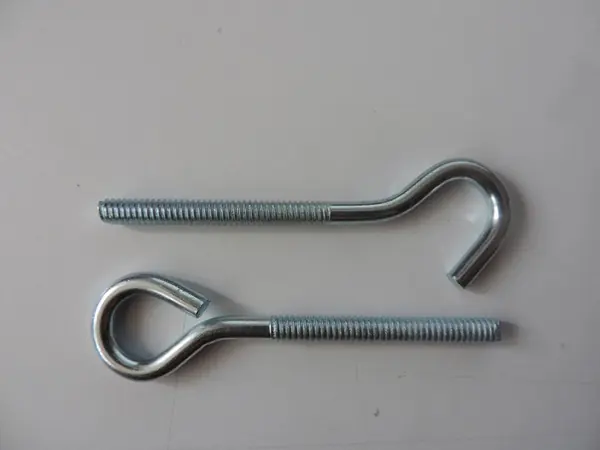
Galvanized Eye Lag Screw
A galvanized lag eye for anchoring light cable systems in small to medium limbs.
Typical $12
 Cabling Hardware
Representative photo. Check the retailer listing for the exact model, color and size.
Photo: Eye bolt snow bokeh by dsgetch, CC BY 2.0
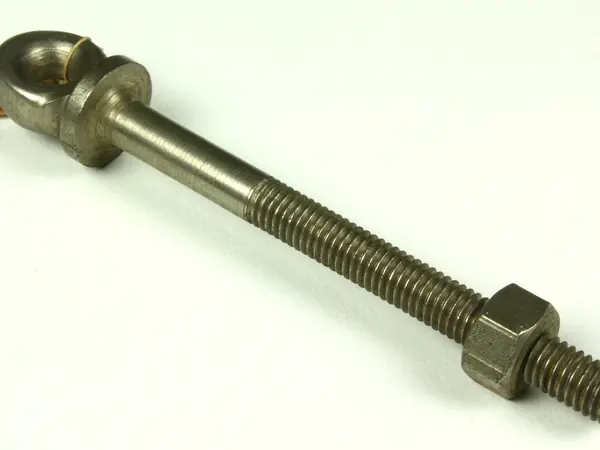
A 3/8 in eye bolt for anchoring light cabling systems in trees.
This 3/8 eye bolt is an anchor point for light tree cabling systems, installed through a limb with a washer and nut so a cable can be attached to the eye. It suits smaller limbs and lighter systems where the design calls for 3/8 in hardware.
In a steel cabling system, the cable has to attach to the tree at each end. Eye bolts are one of the most common anchors. The bolt goes through a drilled hole in the limb, with a washer and nut on the far side, and the cable attaches to the eye. That spreads the load through the wood and keeps the cable from girdling the limb.
A 3/8 eye bolt is on the lighter end of cabling hardware. It suits smaller limbs and systems where the design calls for 3/8 in hardware. Larger stems and heavier loads call for bigger hardware, so let the system design, not the price, decide the size.
People searching for 3/8 eye bolts are often matching an existing system or replacing worn hardware. When you replace hardware in an existing system, match or exceed the original specification and check the rest of the system while you are in the tree.
When the cable attaches to the eye, a thimble protects the cable from bending too sharply and wearing against the eye. The cable is then terminated with a dead-end grip or other approved method. All parts, including the eye bolt, cable, thimble and termination, need to be rated and sized to work together.
Close or weld the eye as the system design and manufacturer require, so the cable cannot slip out. Use washers sized for the bolt, and do not countersink nuts so deeply that the wood around them is weakened.
Keep a supply of matching washers, nuts and thimbles with your eye bolts so you are never tempted to substitute mismatched hardware in the tree. Store hardware dry to limit corrosion before it is installed.
Tree support systems should be designed and installed by a qualified arborist following ANSI A300 (Part 3) and ANSI Z133, and inspected regularly once installed.
Drill straight, correctly sized holes, aligned with the direction of the cable so the bolt is loaded in line. Avoid drilling through decay or cracks. Tighten the nut so the washer seats firmly against the bark without crushing it. Record the installation and plan regular inspections.
Wear gloves and eye protection when drilling, and use climbing and positioning gear appropriate for work aloft. Drilling and installing hardware while tied in requires the same care as any other work at height.
Inspect cabling systems regularly. Look for wear on the eye and thimble, corrosion, cracks in the wood around the bolt, wood growing over the hardware and changes in cable tension. Replace worn or damaged hardware promptly.
Pair this eye bolt with EHS cable and browse more cabling hardware to complete your system.
| Diameter | 3/8 in |
|---|---|
| Type | Eye bolt, threaded shank |
| Installation | Through-bolted with washer and nut |
| Use | Anchor point for tree cabling |
| Length | See listing |
Specs are from the manufacturer's published figures where available. Confirm against the product listing before you buy.
It is a through-bolt anchor for lighter cabling systems. The cable attaches to the eye with a thimble and approved termination.
It depends on the limb size and system design. A qualified arborist should size hardware following ANSI A300 Part 3.
Yes, a thimble protects the cable where it wraps through the eye and reduces wear.
Pairs well with
Gap Arborist Supply
A galvanized lag eye for anchoring light cable systems in small to medium limbs.
Gap Arborist Supply
Hook-style lag anchors for cabling leads with a cable that wraps the J.
Gap Arborist Supply
A 1/2 in. turnbuckle for fine tension adjustment in guying and support systems.
Gap Arborist Supply
A 5/8 in. eye bolt anchor for through-bolted tree cabling systems.
Gap Arborist Supply
A forged eye nut that turns threaded rod into a cable anchor point.
Gap Arborist Supply
Galvanized washers to seat nuts and eyes on through-bolted cabling hardware.
Preformed Line Products
Helical dead-ends for fast, clean termination of steel support cable.
Rig Guy
Beveled washer that seats cabling hardware evenly on a rounded stem.
3/8 in Eye Bolt for Tree Cabling$7