

Husqvarna
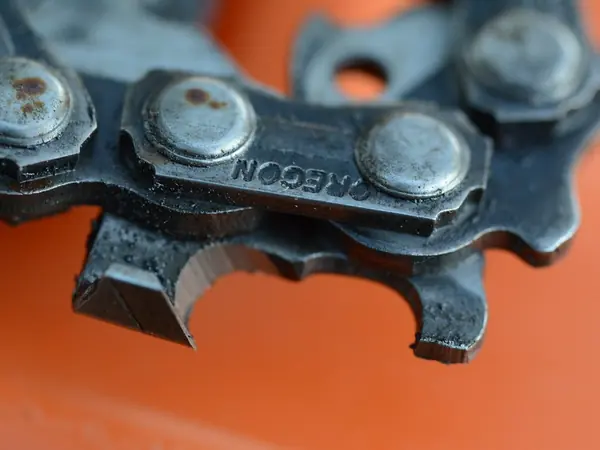
Husqvarna 3/8 in x .050 Full Comp Chainsaw Chain
3/8 in pitch, .050 gauge full-comp chain for mid-to-large Husqvarna saws.
Typical $36
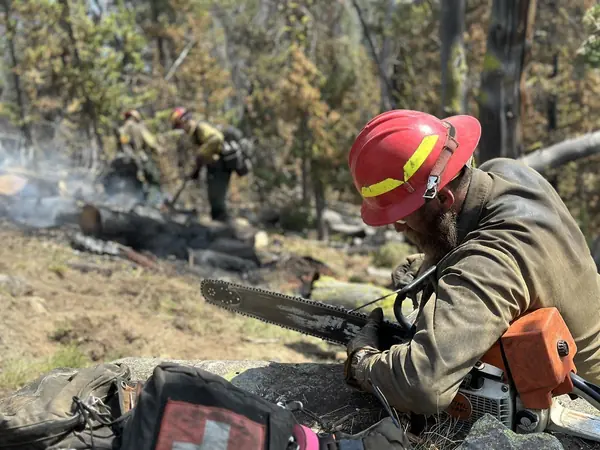
Chainsaw accessories are the supplies that keep a saw cutting and a crew protected: replacement bars and chain, chaps and chainsaw pants, cases, premixed fuel and bar oil, felling wedges, files and wrenches. This department collects the chainsaw tools and supplies a tree crew goes through every week.
Husqvarna
3/8 in pitch, .050 gauge full-comp chain for mid-to-large Husqvarna saws.
Husqvarna
Heavy .063 gauge chain for large saws and long bars.
Husqvarna
Low-vibration .325 semi-chisel chain for mid-size saws.
Gap Arborist Supply
Budget apron chaps for occasional saw users and ground crews.
Husqvarna
Ready-to-pour 50:1 ethanol-free premix in quart cans, sold by the case.
Husqvarna
A lightweight 3/8" x .050" Husqvarna bar that takes weight off the front of the saw.
Husqvarna
Husqvarna's narrow-kerf bar for the X-Cut SP21G chain system.
Oregon
A replacement Oregon bar for .325" pitch, .050" gauge chain on mid-size saws.
Husqvarna
A hard Husqvarna case for transporting a chainsaw and its gear.
Husqvarna
Husqvarna's hard plastic saw case for clean, protected transport and storage.
Husqvarna
Apron-style leg protection for ground sawing, bucking and cleanup crews.
Clogger
Lightweight, breathable chainsaw pants for climbers and hot-weather ground work.
Clogger
Saw protection in a work-jean look for crews, homeowners and firewood cutters.
Clogger
Very light chainsaw pants for climbers and sawyers who work in heat.
Eagle
Metal safety can in green to keep oil and combustibles separate from gas on the truck.
Husqvarna
Ethanol-free 50:1 premixed fuel in a bulk size for crews running several saws.
Husqvarna
Synthetic blend 2-stroke mixing oil sized for a 5 gallon can of fuel at 50:1.
Husqvarna
Synthetic blend 2-stroke oil for a 2.5 gallon batch of 50:1 fuel.
No-Spill
Red push-button fuel can for clean refueling of saws and small engines.
Hardhead
Plastic felling and bucking wedge that is safe to hit with an axe and safe near a chain.
Weaver
Belt and pouches that keep wedges, tape and saw tools within reach.
Gap Arborist Supply
The bar wrench, or scrench, every saw kit should have: bar nuts, tension and carb tweaks.
Clogger
Light, cool apron-style chaps for sawyers who spend all day on the ground.
K&H Distributing
A tough plastic felling wedge that every sawyer should carry in the back pocket.
Husqvarna
The one tool every Husqvarna saw owner should have on the belt.
Pferd
A dozen quality round files for keeping saw chain sharp in the field.
Husqvarna
A 12 in replacement bar for Husqvarna gas pole saws, 44 drive link chain.
Husqvarna
A weight-saving 3/8 x .063 bar for Husqvarna pro saws.
Husqvarna
A 44 drive link replacement chain for Husqvarna gas pole saws.
Husqvarna
A 3/8 micro, .050 gauge replacement chain sold to fit your bar length.
Husqvarna
Full chisel skip chain for long bars and big-diameter wood.
Oregon
Replacement 3/8 low profile chain for the Stihl MS200T top-handle saw.
Arbortec
Lightweight, stretchy chainsaw protective pants in Realtree camo with brown accents.
Arbortec
Lightweight, stretchy chainsaw protective pants in Realtree camo with orange accents.
Arbortec
Lightweight, stretchy chainsaw protective pants in Realtree camo with lime green accents.
Husqvarna
Husqvarna's biodegradable bar and chain oil for saws working near soil and water.
Husqvarna
Pro replacement bar in 3/8 pitch, .050 gauge for mid to large Husqvarna saws.
Husqvarna
Heavy-duty sprocket nose bar for big saws running .404 pitch chain.
Husqvarna
Narrow kerf X-Force bar for Husqvarna's Pixel chain on mid-size saws.
Husqvarna
Low-profile 3/8 mini chain for small saws, top handles and pruning work.
Husqvarna
Heavy .404 pitch chain in .063 gauge for big saws on large wood.
Husqvarna
Bar cover that protects the chain, your hands and the truck in transport.
Arbortec
Light, breathable stretch chainsaw pants for climbers and ground workers.
Arbortec
Light, breathable stretch chainsaw pants for climbers and ground workers.
Husqvarna
Bulk ready-mixed 2-stroke fuel for crews running a fleet of saws and handhelds.
Gap Arborist Supply
Bright, hard plastic wedge for lifting trees and freeing pinched bars.
Husqvarna
Simple jointer that sets raker height on 3/8 pitch chain.
Husqvarna
Field vise you tap into a stump to hold the saw steady for filing.
Pferd
2-in-1 guide that files cutter and raker together in a single stroke.
Timber Savage
Flat file for lowering rakers and cleaning up bar rails.
Timber Savage
Round files for sharpening chainsaw cutters, sized by chain pitch.
Arbortec
Light, breathable chainsaw pants with all-round leg protection for climbers.
Pferd
A file holder that squares up worn chainsaw bar rails so cuts run straight.
Gap Arborist Supply
A belt holster that keeps wedges and small tools within reach on the ground.
Husqvarna
A simple grip for round chainsaw files, for steadier and safer sharpening.
Gap Arborist Supply
A fresh flat file for your guide bar dresser.
Timber Savage
A cushioned handle for round chainsaw files and comfortable field sharpening.
Arbortec
Stretchy, vented chainsaw pants for climbers who hate wearing chaps over their gear.
Husqvarna
Narrow-kerf .325 mini X-Cut chain for light, fast pro saws.
Clogger
Light, stretchy chainsaw pants built for climbing arborists.
Husqvarna
A small-saw bar from Husqvarna sized for 3/8 in mini Pixel chain.
Husqvarna
A 10 in replacement bar for Husqvarna battery-powered pole saws.
Husqvarna
A 40 drive link replacement chain for Husqvarna battery pole saws with a 10 in bar.
Husqvarna
A narrow-gauge Husqvarna bar for small saws running 3/8 mini chain.
Husqvarna
A 36 inch, 3/8 pitch, .063 gauge bar for big Husqvarna saws on large wood.
PFERD
A field sharpening set for keeping chainsaw chain cutting clean.
Clogger
Light, breathable chainsaw pants built for climbers and busy ground crews.
Husqvarna
A solid, heavy-duty Husqvarna bar for 3/8" .050" chain on pro saws.
Clogger
Lightweight, stretchy chainsaw pants cut for climbing arborists.
Clogger
Protective chainsaw trousers from Clogger for day-in, day-out saw work.
Eagle
A galvanized steel 5 gallon safety can in yellow, the color crews use for diesel.
Eagle
A replacement pour funnel for Eagle steel safety cans.
Husqvarna
Two 3/16 in. round files for touching up chain on the job.
Husqvarna
Two 5/32 in. round files for small-pitch chain on top-handle and light saws.
Pferd
A portable vise that clamps your bar to a stump for field sharpening.
Pferd
An 8 in. flat file for keeping chain depth gauges at the right height.
Pferd
A simple wooden handle that makes chain filing safer and more accurate.
Gap Arborist Supply
A hard plastic felling wedge with spikes that help it stay put in the kerf.
WD-40
A dry graphite lube for locks, hinges and hardware that should not get gummy.
Nothing matches those filters. Try another brand or raise the price limit.
Buying guide
Start with the cutting system. Keep at least one spare chain for every saw on the truck, and a spare bar for the saws you run hardest. Match the replacement bar and chain to the saw's pitch, gauge and drive-link count, which are stamped on the bar or listed in the owner's manual. Getting one of the three wrong means the chain will not fit or will not run safely.
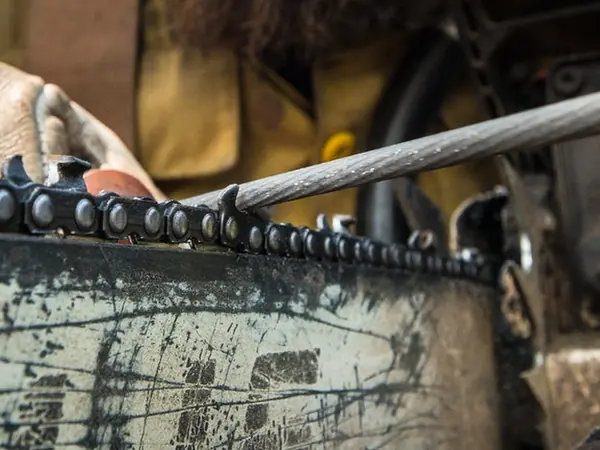
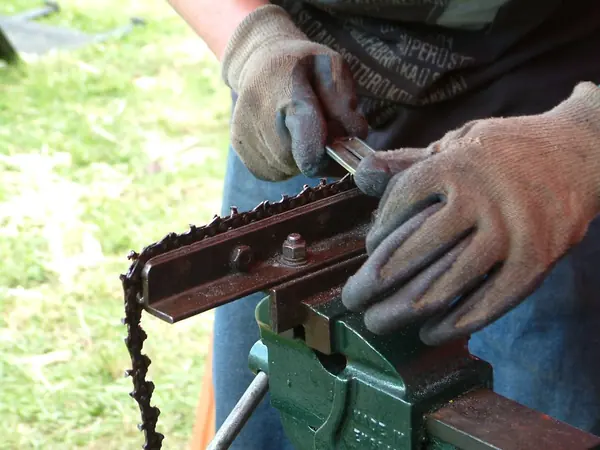
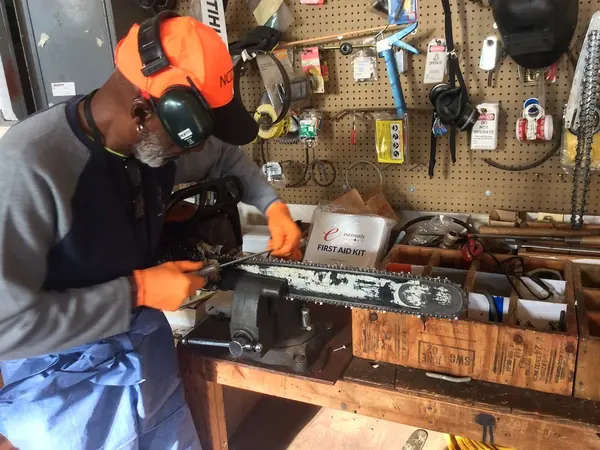
Next is maintenance: a scrench or bar wrench sized for your bar nuts, round files in the right diameter for your chain, a flat file and depth gauge tool for the rakers. A few minutes of sharpening at lunch saves more fuel and frustration than any other habit on a saw crew.
Organize the saw kit so every saw has its own wrench, file and spare chain in a box or pouch that travels with it. When a climber sends a saw down for a sharp chain, the ground worker should be able to make the swap in a minute without hunting.
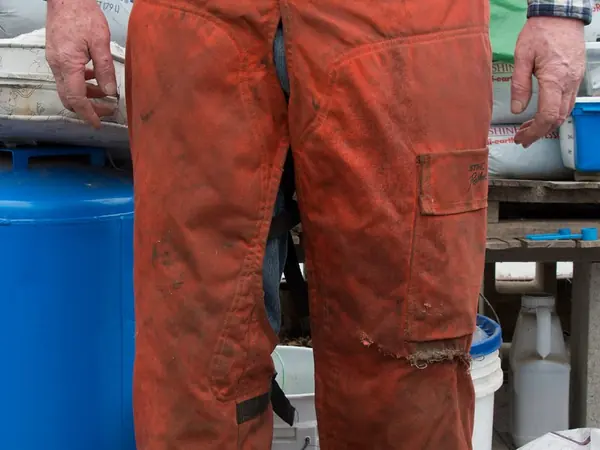
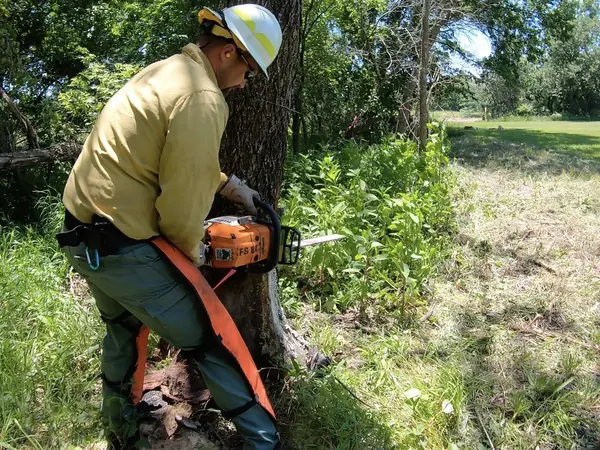
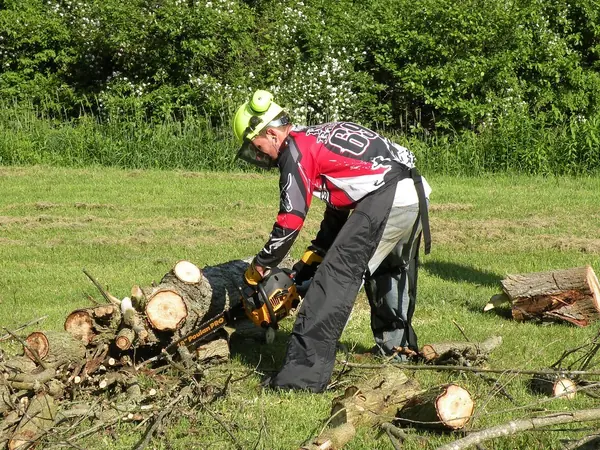
Anyone running a saw on the ground should wear chainsaw-resistant leg protection, either chaps or chainsaw pants. Chaps are cheaper and easy to share across a crew; pants are more comfortable for full days and for climbers who come down to buck. Either way, replace them once the protective layer has been cut, because the fibers that stop a chain only work once.
A hard case or bar scabbard protects the chain and the truck bed, and keeps the bar from catching a leg when you carry the saw through brush. Cases also keep bar oil off the seats when a saw rides in the cab.
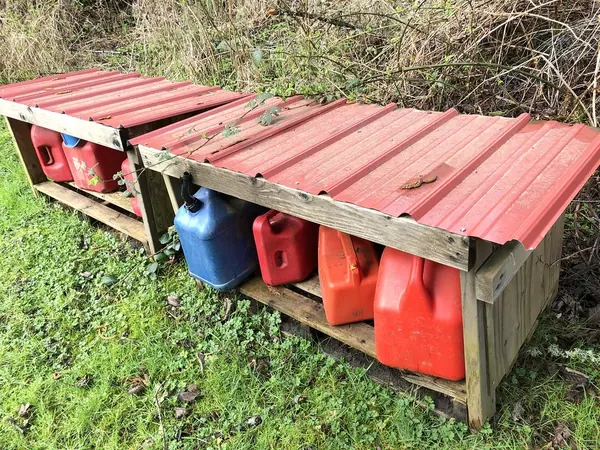
Premixed ethanol-free fuel is more expensive per gallon but helps saws that sit between jobs start reliably and avoids mixing errors. If you mix your own, use a quality two-stroke oil at the ratio the saw maker specifies and a clearly labeled can. Keep bar and chain oil topped off every tank of fuel.
For felling and bucking, plastic felling wedges are a must. Carry a few sizes so you can stack them, and drive them with an axe or a wedge hammer rather than the saw. Wedges keep a bar from pinching and give you control over where a stem goes.
Common chainsaw attachments include bar tip guards, chain catchers, spike bumpers and lanyard rings for top-handle saws. Only fit parts made for your saw model, and never remove the chain brake, chain catcher or other factory safety features. When in doubt, check the owner's manual or a servicing dealer.
Chainsaw supplies like spare starter rope, spark plugs and air filters belong in the same box. They are cheap, and having them on hand keeps a saw running when the nearest dealer is an hour away. Restock after every week so the truck never runs out of the basics.
Chaps or chainsaw pants, a spare chain, the right round file and guide, a bar wrench, felling wedges and a case. Add premixed fuel and a spare bar once you know which saws you run most.
Check the pitch, gauge and drive-link count stamped on your current bar or listed in the manual. A replacement bar must also match the saw's mount pattern.
Replace them as soon as a chain has cut into the protective layer, and when they are worn, contaminated with fuel or oil, or past the manufacturer's service guidance.
Use only accessories designed for your specific saw, follow the manufacturer's instructions, and never remove factory safety features such as the chain brake or chain catcher.
 Free toolChain & File Size FinderMatch chain pitch to the right round file and depth gauge, and estimate drive links for your bar length.