Weaver
Logging Belt Kit
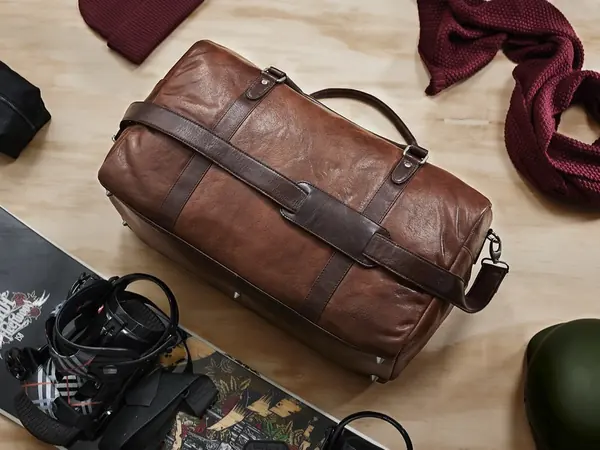
Belt and pouches that keep wedges, tape and saw tools within reach.
Typical $79
 Felling Wedges
Representative photo. Check the retailer listing for the exact model, color and size.
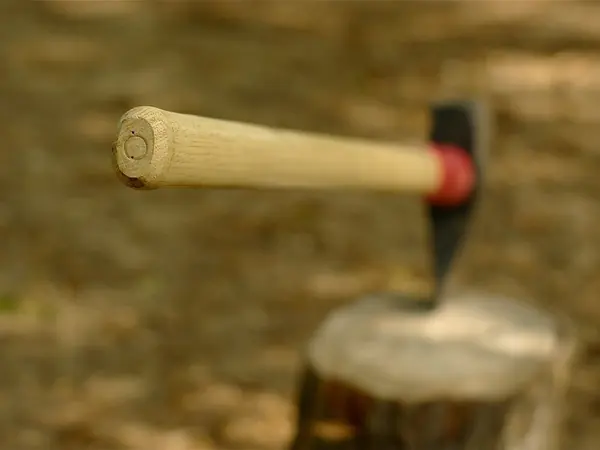
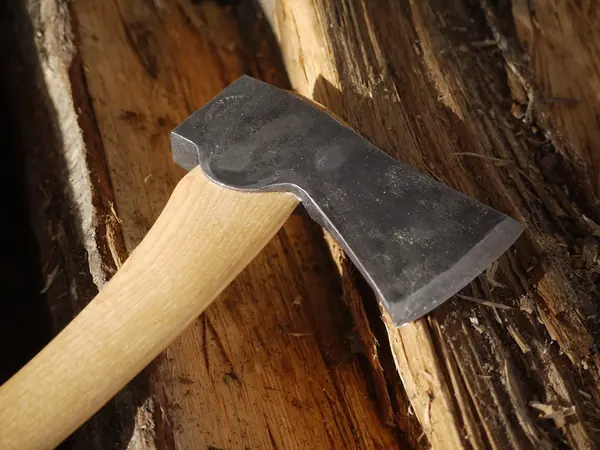
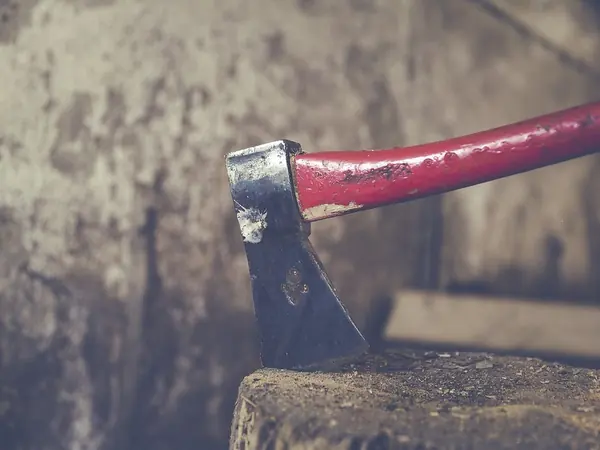
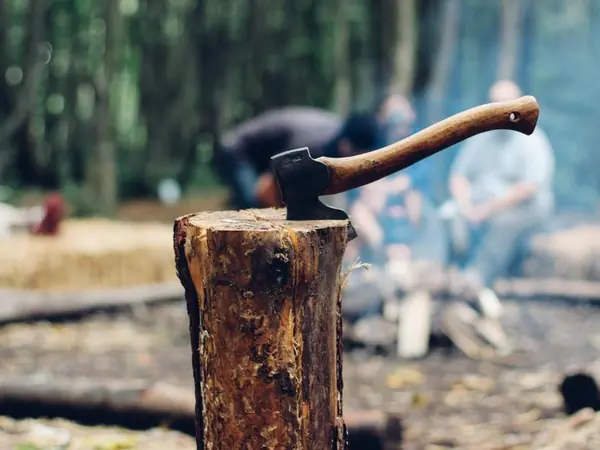
Photo: Axe Wood by Dan Edwards, CC0
Plastic felling and bucking wedge that is safe to hit with an axe and safe near a chain.
The Hardhead felling wedge is a durable plastic wedge built to be driven behind the saw to lift a tree toward its lay and to keep the bar from getting pinched when bucking. Plastic wedges will not wreck a chain if the saw touches them, which is why every saw kit should carry a few.
Every tree has some lean, and few lean exactly where you want them to go. A felling wedge goes into the back cut behind the bar and, as you drive it, lifts the tree off the stump and tips it toward the face. It also keeps the kerf open so the tree cannot sit back on your bar.
When bucking, a wedge in the top of the cut stops the log from closing on the bar. If you have ever spent ten minutes freeing a pinched saw with a second saw and a lot of words, you know why it pays to set a wedge early.
Wedges also help on trees that are close to balanced. A few taps can tip a tree that wants to sit on the stump, and a set wedge keeps the cut from closing if a gust pushes the top the wrong way while you finish the back cut.
Plastic wedges are designed to be cut by mistake. If the chain touches a plastic wedge, you lose a little plastic and maybe some sharpness. If it touches a steel wedge, you lose the chain and possibly more. That is why plastic and composite wedges are standard for saw work, while steel wedges are kept for splitting firewood.
A hard head on the wedge resists mushrooming when it is struck, so it lasts longer and drives more predictably. Keep the striking end square and replace wedges that have split or worn into a dome.
Some plastics get brittle in cold weather. In winter, strike the wedge squarely and check it for cracks more often. A cracked wedge can split under a blow and drop out of the cut just when you need it.
Plan the felling cut before you start: escape route, hinge size and where the wedge will go. Set the wedge as soon as the back cut is deep enough to take it, while the bar is still in the cut. Drive it with the back of an axe or a dedicated hammer, not with the saw.
Watch the top of the tree as you drive. If the tree is not lifting, stop and reassess rather than cutting more hinge. Stacking two wedges gives more lift, but heavy back-leaners may need a pull line or mechanical help instead. Felling is skilled work; get trained before you take down trees, and follow ANSI Z133 and your company's procedures.
Carry wedges where you can reach them, such as a logging belt with a wedge pouch.
Keep the bar running and parallel to the wedge as you drive it, and never stand directly behind a tree that is moving. When the tree starts to go, leave the wedge, take your saw and move out along your escape route.
Short wedges suit smaller trees and bucking; longer, taller wedges give more lift for bigger diameter trees. Most sawyers carry two or three sizes. Check the listing for the size, and match it to your bar length so the wedge fits the cut without hitting the chain.
Write your initials or crew name on your wedges. They get left at stumps and buried in chips, and marked wedges have a better chance of finding their way back to the right truck.
| Material | Plastic |
|---|---|
| Type | Felling and bucking wedge |
| Driving | Axe, hatchet or maul head |
| Use | Felling, bucking, splitting rounds |
| Brand | Hardhead |
Specs are from the manufacturer's published figures where available. Confirm against the product listing before you buy.
Yes. Use the poll of an axe or a hammer designed for driving wedges. Strike squarely to avoid glancing blows.
Most sawyers carry at least two, often in two sizes, so they can stack for more lift or use one while bucking.
Retire wedges that are split, cracked or so mushroomed that they no longer drive straight.
Pairs well with
Weaver
Belt and pouches that keep wedges, tape and saw tools within reach.
K&H Distributing
A tough plastic felling wedge that every sawyer should carry in the back pocket.
Gap Arborist Supply
Bright, hard plastic wedge for lifting trees and freeing pinched bars.
Gap Arborist Supply
A belt holster that keeps wedges and small tools within reach on the ground.
Hardhead Felling Wedge$15