
New England Ropes
Sassafras 16-Strand Climbing Rope
A traditional 16-strand arborist climbing line for friction-hitch work.
Typical $209
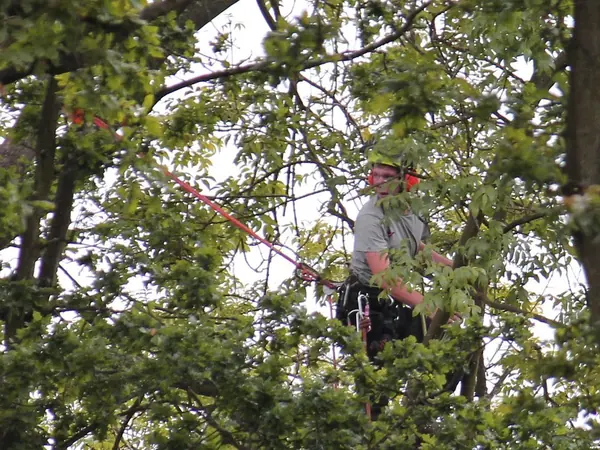
Tree climbing rope is life-support gear, so it is worth choosing carefully. Arborist climbing rope comes in 16-strand, 24-strand and static constructions, each with its own feel with hitches and devices.
New England Ropes
A traditional 16-strand arborist climbing line for friction-hitch work.
Courant
A supple 11.9 mm 24-strand climbing line in a high-visibility pink colorway.
Yale Cordage
Yale's 11.7 mm 24-strand climbing line in the Poison Moon colorway.
Jameson
Pole-mounted head for setting a line over a limb from the ground.
Samson Rope
A 12-strand single-braid 1/2 in line with an easy hand and simple splicing.
Teufelberger
The classic blue-and-white 16-strand climbing line for traditional hitch climbers.
Teufelberger
A firm, smooth 16-strand climbing line for hitch climbers on moving rope.
Petzl
A 12.5 mm arborist line made to run in Petzl mechanical friction devices.
Sterling Rope
A tough, low-stretch 11 mm polyester static line for SRT and rescue kits.
Sterling Rope
A 12.5 mm static line sized for the friction devices most arborists use.
Yale Cordage
An 11mm pink and black static climbing line that is easy to spot in any canopy.
Mastodon
A 1/2 in. 12-strand rigging line for everyday limb lowering and light removals.
Yale Cordage
A classic 1/2 in. 16-strand line for traditional hitch climbing and everyday work.
All Gear
A 24-strand 11.7mm climbing line in a 200 ft length for taller trees.
Marlow
A compact 11.5mm arborist climbing line from Marlow for hitch and device climbing.
Marlow
A low-stretch 11.7mm Marlow line in lime and gray for SRS and doubled-rope work.
Marlow
An 11.8mm low-stretch Marlow climbing line in blue and orange.
Marlow
An 11.8mm low-stretch Marlow climbing line in purple and lime.
Teufelberger
A slim 11.5mm climbing line in a 200 ft length for tall trees and SRS.
Yale Cordage
A dependable 11.7mm 24-strand polyester line for everyday tree climbing.
Yale Cordage
An 11.7mm 24-strand Yale climbing line for hitch and device climbing.
Yale Cordage
An 11.7mm low-stretch Yale line aimed at SRS and mechanical device climbing.
Samson Rope
Samson's classic 12-strand arborist climbing line in 1/2 in.
Yale Cordage
A Yale Cordage 12-strand climbing rope for everyday tree work.
Yale Cordage
Yale's 16-strand XTC Plus climbing line for traditional hitch climbing.
Yale Cordage
A 16-strand Yale XTC climbing line in a bright spearmint colorway.
All Gear
An 11.8mm 24-strand All Gear climbing line for SRS and MRS.
All Gear
An 11.8mm 24-strand All Gear climbing line for SRS and MRS.
All Gear
An 11.8mm 24-strand All Gear climbing line for SRS and MRS.
Samson Rope
A Samson climbing line in the HyperClimb range, in a cool-toned color.
Samson Rope
A smaller-diameter 11mm Samson climbing rope in a cool-toned colorway.
Samson Rope
A smaller-diameter 11mm Samson climbing rope in a hot, high-visibility colorway.
Samson Rope
An 11.8mm Samson climbing line for SRS and MRS work.
Teufelberger
Teufelberger climbing line for tree climbing on a hitch or device.
Teufelberger
Teufelberger climbing line for tree climbing on a hitch or device.
Teufelberger
Teufelberger climbing line for tree climbing on a hitch or device.
Teufelberger
Teufelberger climbing line for tree climbing on a hitch or device.
Yale Cordage
Yale Cordage climbing line for tree climbing on a hitch or device.
Yale Cordage
Yale Cordage climbing line for tree climbing on a hitch or device.
Yale Cordage
Yale Cordage climbing line for tree climbing on a hitch or device.
Yale Cordage
Yale Cordage climbing line for tree climbing on a hitch or device.
Yale Cordage
Yale Cordage low-stretch static rope for SRS climbing and access lines.
Yale Cordage
Yale Cordage low-stretch static rope for SRS climbing and access lines.
Yale Cordage
Yale Cordage climbing line for tree climbing on a hitch or device.
Courant
Courant low-stretch static rope for SRS climbing and access lines.
Petzl
Petzl low-stretch static rope for SRS climbing and access lines.
Sterling Rope
Sterling Rope low-stretch static rope for SRS climbing and access lines.
Teufelberger
Teufelberger low-stretch static rope for SRS climbing and access lines.
Teufelberger
Teufelberger low-stretch static rope for SRS climbing and access lines.
Teufelberger
Teufelberger low-stretch static rope for SRS climbing and access lines.
Teufelberger
Teufelberger low-stretch static rope for SRS climbing and access lines.
Yale Cordage
Yale Cordage low-stretch static rope for SRS climbing and access lines.
Yale Cordage
Yale Cordage low-stretch static rope for SRS climbing and access lines.
Teufelberger
A static kernmantle climbing rope for arborists who climb SRS and MRS.
Yale Cordage
An 11mm static climbing line for arborists running SRS devices or hitches.
Petzl
A smooth, firm 11.6 mm tree climbing line built to pair with Petzl's mechanical prusiks.
Samson
A 24-strand Samson climbing line in bright colors for tree climbers.
Teufelberger
A light 11.5 mm arborist climbing rope that handles well for MRS and SRS work.
Petzl
12 mm low-stretch kernmantle rope for fall arrest backup lines.
Yale Cordage
Low-stretch 11.7 mm arborist climbing line for SRS and MRS.
Teufelberger
An 11.8 mm 24-strand climbing line from Teufelberger for everyday tree work.
Teufelberger
A light 11.5 mm climbing line in a pink and ash color for SRT and MRS work.
Teufelberger
Teufelberger's light 11.5 mm climbing line in a subdued ash color.
Teufelberger
A firm, round 16-strand climbing line for climbers who run both MRS and SRS.
Yale Cordage
A traditional braid climbing line from Yale for working tree climbers.
Courant
A 16-strand arborist climbing line from Courant for everyday tree work.
Samson
The green colorway of Samson's 11.7mm ArborFreak climbing line.
Yale Cordage
A half-inch 16-strand Yale climbing line in a bright, easy-to-spot colorway.
Courant
A static arborist climbing line from Courant in high-visibility yellow.
Nothing matches those filters. Try another brand or raise the price limit.
Buying guide
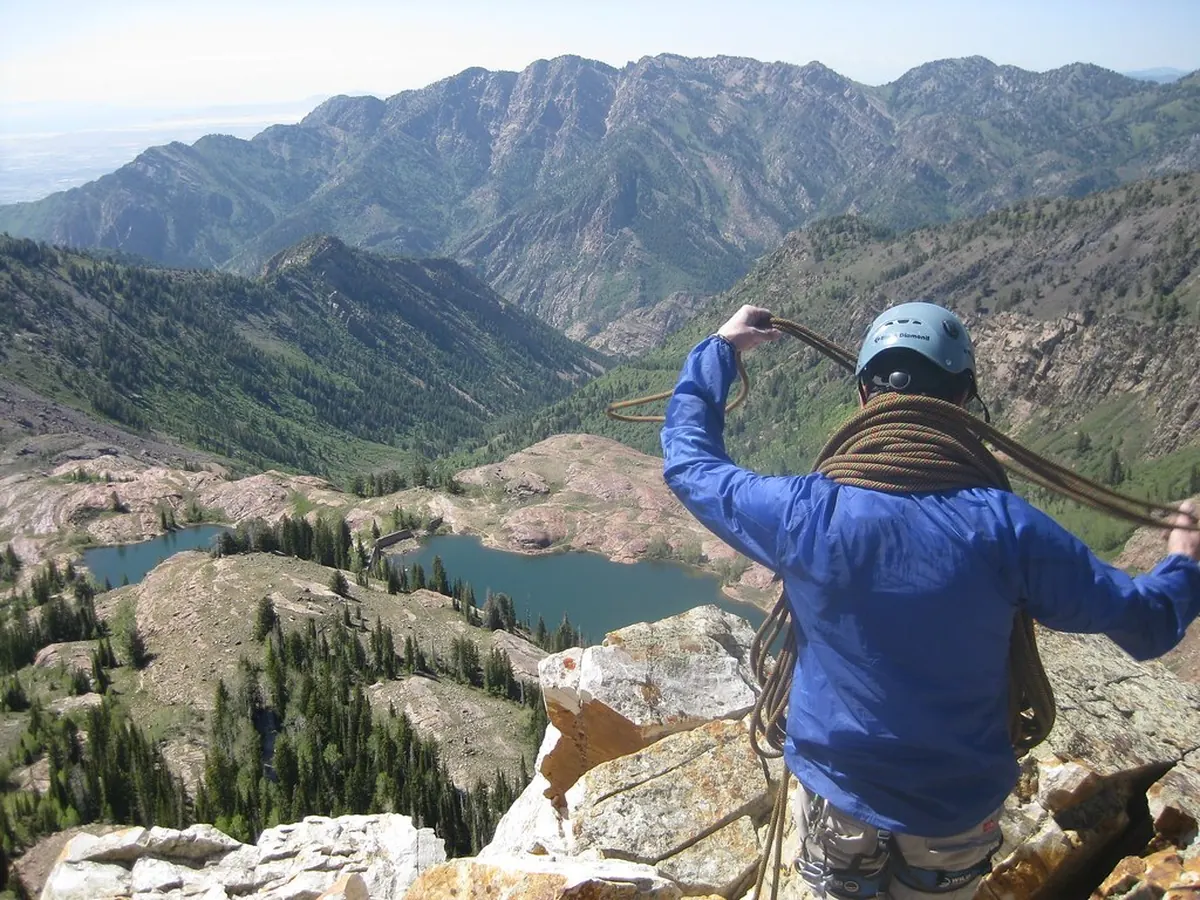
Start with your system. Traditional doubled-rope climbing with a friction hitch works well with 16-strand rope. Mechanical devices and SRS often favor a round, firm 24-strand or static line in a specific diameter. Check your devices' instructions for compatible ropes.
Length should be at least twice your highest tie-in for doubled rope, with extra to spare. Inspect before every climb, keep the rope away from saws and fuel, and follow ANSI Z133 and the maker's instructions. Get trained before you climb.
Sixteen-strand ropes have thick covers that resist abrasion and play well with traditional friction hitches. Twenty-four strand ropes are round and firm, which suits devices and SRS. Static lines have the least stretch for efficient rope ascents and are common in stationary systems.
Rope accessories round out a climbing kit: a throw line and weight to set your rope, a rope bag to store it, a chafe sleeve for rough tie-ins and a rope placement tool for reaching high anchors from the ground. Build your system as a whole so every part is compatible.
For a doubled rope system you need at least twice your tie-in height, plus extra. Many climbers start with 150 feet.
 Free toolClimbing Kit BuilderPick your climbing system and budget, get a complete, compatible kit list you can add to your cart in one click.