Gap Arborist Supply
Helmet Ear Muff
Clip-on ear muffs for slotted helmets, for saw, chipper and grinder work.
Typical $32
Helmet ear muffs clip to your helmet so hearing protection is always there when the saw starts. This helmet ear protection works with common arborist helmets and swings up when you need to talk.
Gap Arborist Supply
Clip-on ear muffs for slotted helmets, for saw, chipper and grinder work.
Husqvarna
Replacement cushions and foam inserts that bring tired Husqvarna muffs back to spec.
3M
Slot-mount Peltor muffs for crews who live under a helmet all day.
3M
Over-the-head hearing protection from 3M Peltor for ground crews.
Husqvarna
Helmet-mounted hearing protection from Husqvarna for saw operators.
LAND
Vented climbing-style helmet for climbers who want airflow on hot days aloft.
LAND
Non-vented Class E, Type 2 helmet for line clearance and general tree crew work.
LIFT Safety
Fresh comfort pads for the LIFT Radix helmet when the old ones are flat or worn.
LIFT Safety
Replacement suspension for the LIFT Radix when the harness is worn or damaged.
Pfanner
Clip-on neck cover for the Protos helmet that blocks sun, chips and rain.
3M
Peltor X-series earmuffs that clip into slotted helmets for saw and chipper work.
Kask
Green helmet-mounted ear defenders for Kask Super Plasma and Zenith helmets.
Kask
Higher-attenuation helmet ear defenders for Kask Super Plasma and Zenith.
3M
The highest-protection Optime muff, made to clip onto slotted helmets.
Pfanner
Fresh cushions to restore the seal on Pfanner Protos helmet ear muffs.
3M
Lightweight yellow Optime earmuffs that clip onto slotted helmets.
3M
New cushions and foam inserts to bring Optime 105 muffs back to a good seal.
Petzl
Replacement upper comfort foam for Petzl STRATO helmets.
Kask
Helmet-mounted yellow earmuffs for Kask Super Plasma and Zenith helmets.
LAND
A replacement face visor for LAND AeroPro and ClimbPro helmets.
3M
Corded earplugs in a case, ready for saw, chipper and grinder work.
3M
Slim helmet-mounted earmuffs for saw work under a hard hat or climbing helmet.
3M
Fresh cushions and foam inserts to restore the seal on Peltor X4 earmuffs.
Nothing matches those filters. Try another brand or raise the price limit.
Buying guide
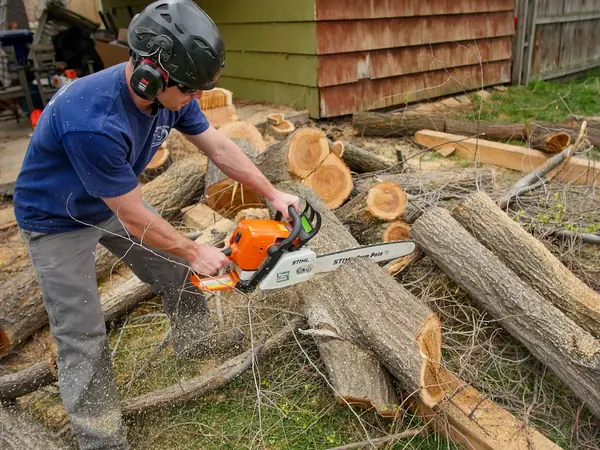
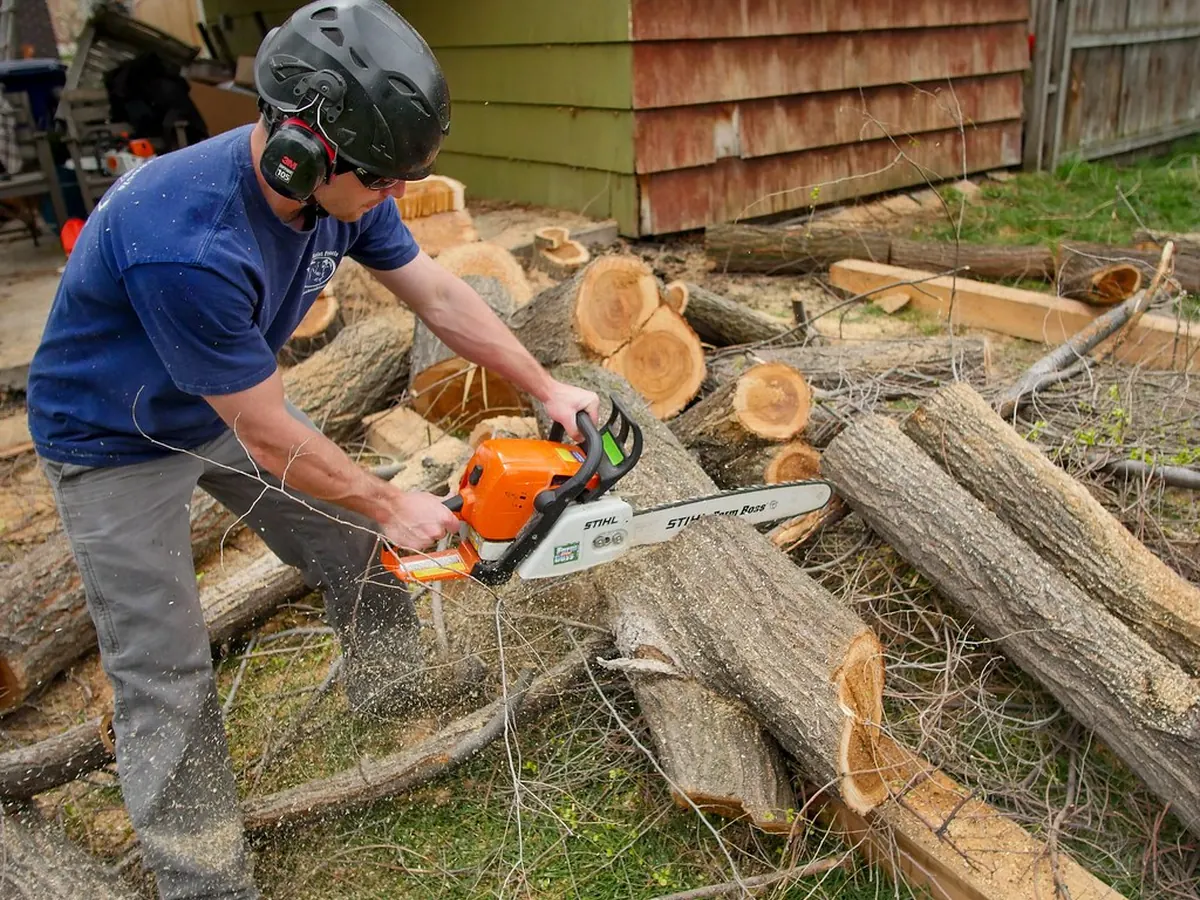
Chainsaws, chippers and stump grinders are loud enough to cause permanent hearing loss over time. Damage builds up slowly and does not come back. ANSI Z133 and OSHA both address hearing protection for noisy work, and the simplest way to comply is protection mounted on the helmet so it is never left in the truck.
Noise-induced hearing loss is one of the most common occupational injuries, and tree crews are exposed to it every day. Ringing in the ears after work is a warning sign. Wearing protection the whole time equipment is running, not just during the loudest cuts, is what prevents long-term damage.
Check that the muffs fit your helmet's slots or mounting system. Noise reduction ratings help compare models, but a good seal matters more than the number on the box. Hair, glasses and worn cushions break the seal.
Some muffs have built-in radio or Bluetooth for a communication system. Make sure those still provide adequate protection and keep volume moderate.
Ear muff and helmet combinations from the same manufacturer are often the easiest to set up and give the best fit. If your helmet uses a universal slot system, aftermarket muffs may also fit. Make sure the muffs can be swung up and parked without falling off when you need to talk with the crew.
Helmet ear muffs should press evenly around the ear without gaps. Adjust the mounting arms so the cups sit centered over your ears, and check the seal each time you put the helmet on. Muffs with worn springs or loose arms should be replaced, since they no longer press firmly enough to seal.
Ear cushions and foam inserts harden and crack with sweat and sun. Replace them with the maker's hygiene kit at least once or twice a year or when they no longer seal. It is the cheapest way to restore performance.
Clean cushions and the inside of the cups with a damp cloth and mild soap, and let them dry before storing. Do not soak ear muffs in water or use solvents on them. Store helmets with muffs out of direct sun so plastics and foam last longer.
Foam or reusable earplugs are a good backup and can be combined with muffs for very loud work. Insert them correctly for them to work.
Ear protection helmet setups work best when everyone on the crew wears them consistently. Make hearing protection part of the standard PPE check at the start of each job, alongside helmets, eye protection and chaps. Annual hearing tests help catch changes early, and many employers provide them.
Keep a box of disposable foam earplugs on the truck for visitors, new crew members and anyone whose muffs are damaged, so nobody works near running equipment unprotected.
No. Helmet ear muffs use specific mounts. Check compatibility with your helmet model.
Commonly every six months to a year with regular use, or sooner if they crack or stop sealing.
They can be, when fitted correctly. Compare noise ratings and check the seal.
Yes, for very loud work. It increases protection, though not by the full sum of both ratings.