Husqvarna
Husqvarna Technical Gloves
Dexterous work gloves for saw work, felling and bucking.
Typical $40
Arborist gloves need to grip rope and saws while protecting against splinters, abrasion and rope burn. Tree climbing gloves trade some armor for dexterity; work gloves for brush and chipping trade the other way.
Husqvarna
Dexterous work gloves for saw work, felling and bucking.
Wonder Grip
Thin, grippy coated gloves that let you feel your hitch and hardware.
Husqvarna
Chainsaw gloves with saw protection on the left hand and good dexterity.
Nothing matches those filters. Try another brand or raise the price limit.
Buying guide
For climbing, look for a snug fit, good grip when wet and enough feel to tie knots and handle carabiners. For ground work and chipping, choose tougher palms and longer cuffs. Nitrile-coated gloves are a cheap, grippy option many crews buy by the pack.
Never wear loose gloves near chippers or other machinery with infeed or rotating parts. Replace gloves with holes in the palm or fingertips.
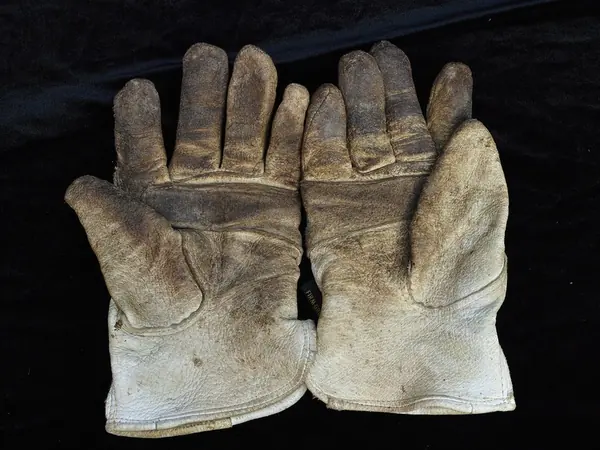
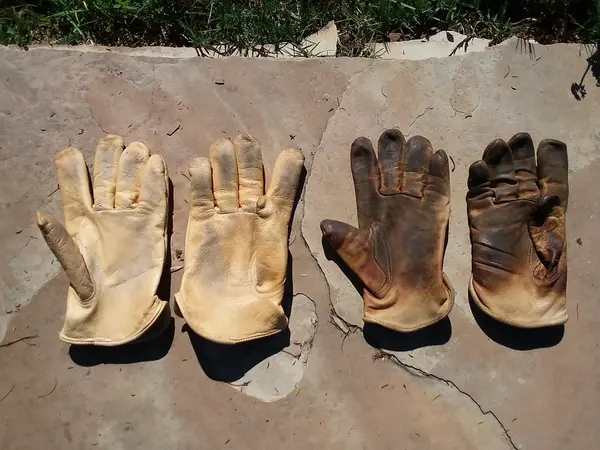
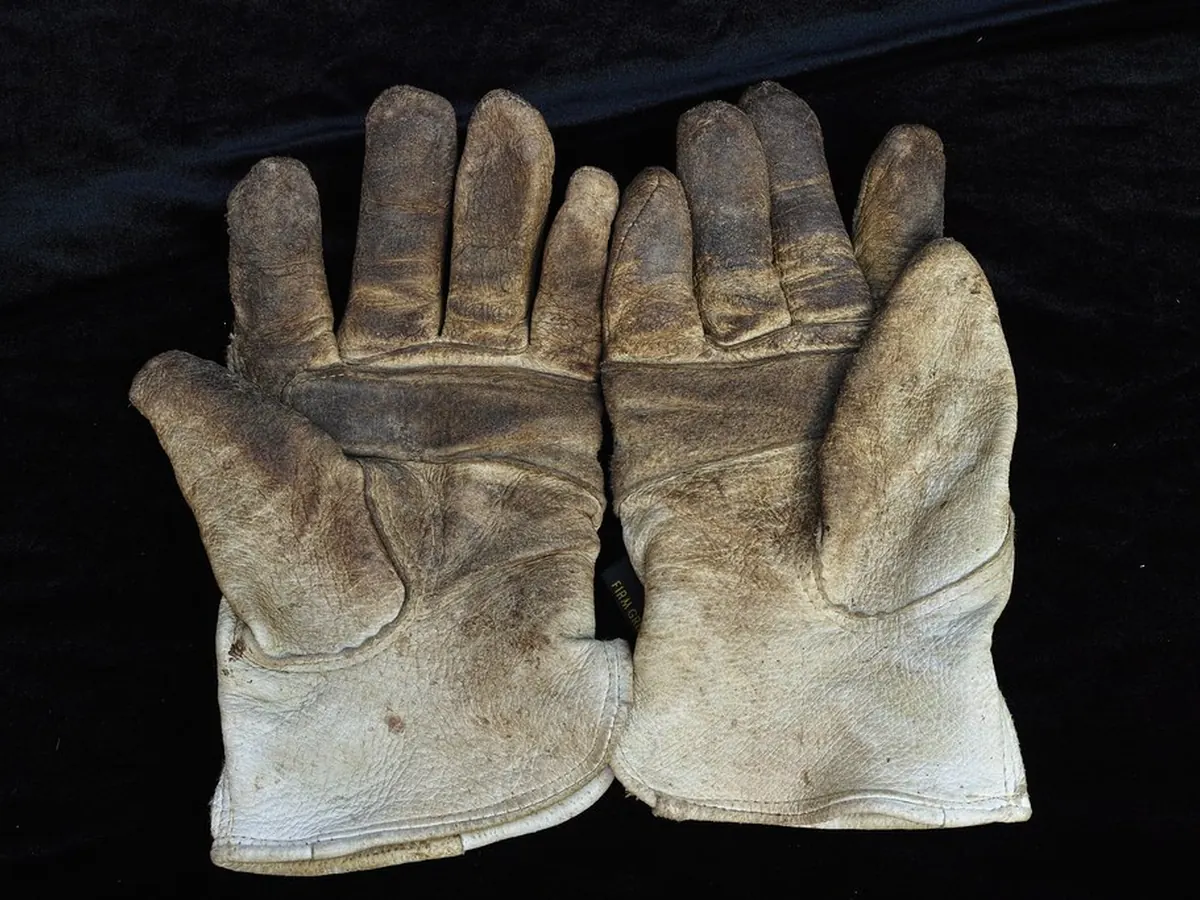
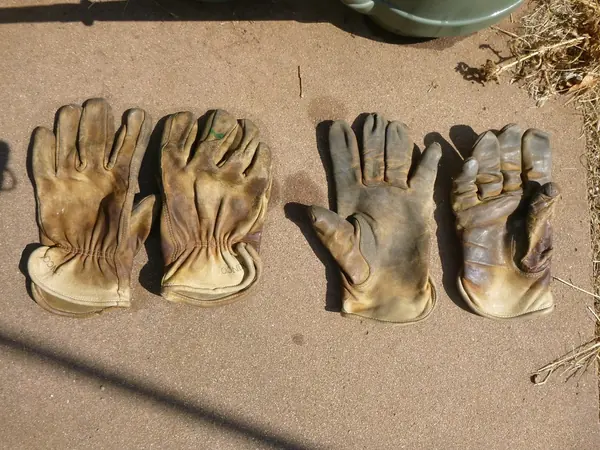
Rinse grime out of leather gloves and let them dry slowly away from direct heat to keep them soft. Synthetic gloves can usually be washed. Replace gloves with worn-through palms, split seams or holes, since splinters and rope burns find those first.
Many climbers carry two pairs: a thin, grippy pair for climbing and tying knots and a tougher pair for rigging, chipping and hauling brush. Gloves that fit well get worn, and gloves that fit poorly end up in the truck. Try different sizes before buying a stock for the crew.
Some gloves include cut protection on the back of the hand. Requirements vary, so follow your employer's PPE policy.