Gap Arborist Supply
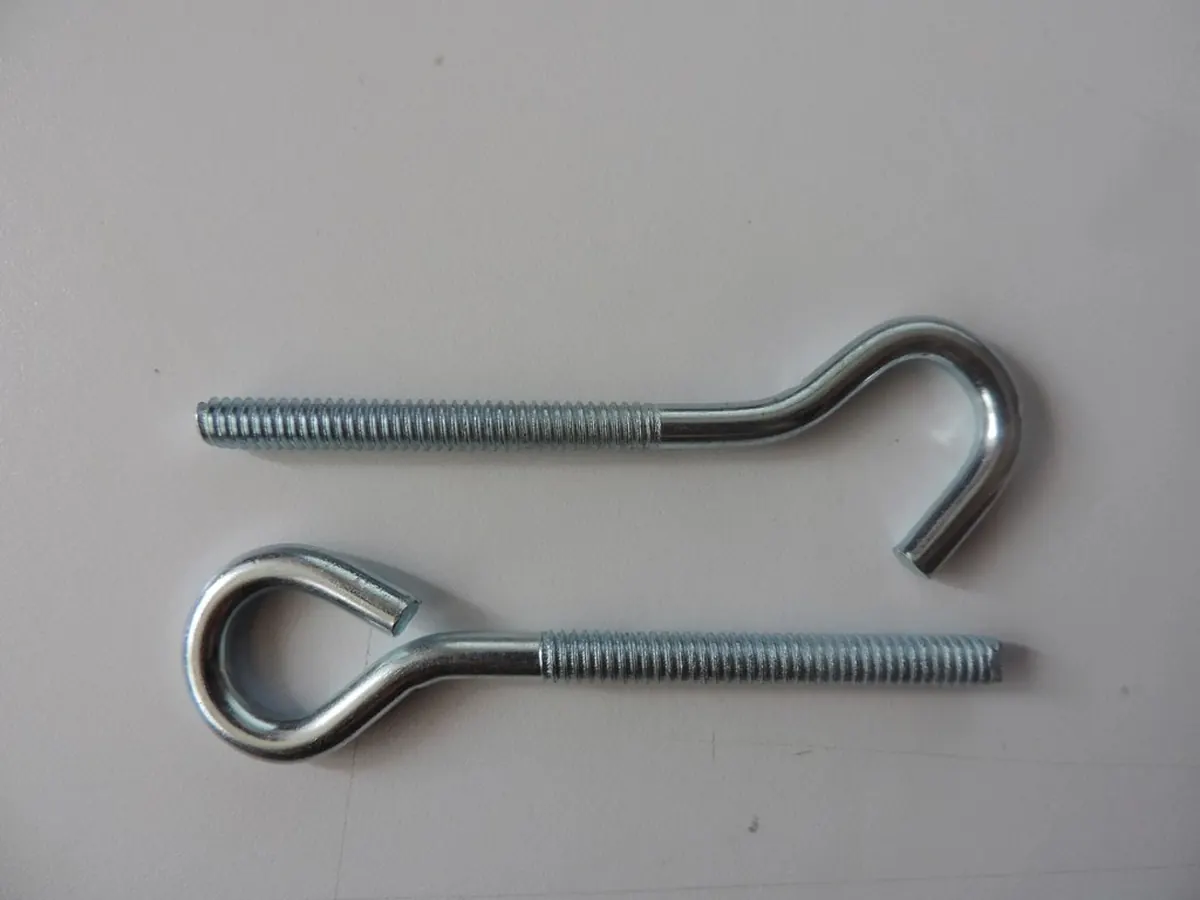
Tree Bracing Rods
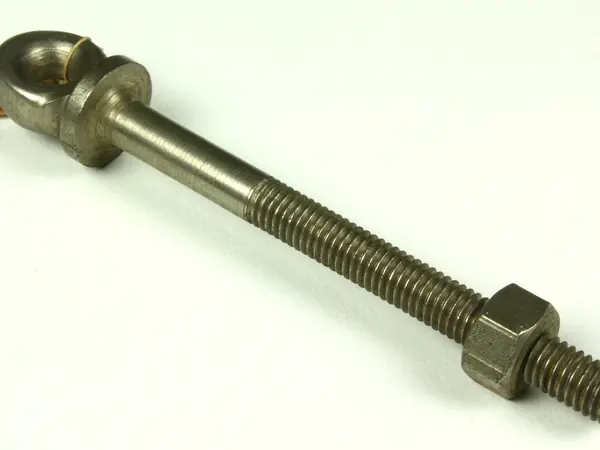
Threaded rods for bracing weak unions and split stems in trees.
Typical $25
Tree cable and bracing rods are the backbone of supplemental support systems. Use these tree cabling supplies to build a tree cabling kit for the service truck or to restock after a job.
Gap Arborist Supply
Threaded rods for bracing weak unions and split stems in trees.
Gap Arborist Supply
Galvanized steel strand for general-purpose, non-critical uses.
Gap Arborist Supply
Extra-high-strength galvanized steel strand for tree support systems.
Gap Arborist Supply
A 3/8 in eye bolt for anchoring light cabling systems in trees.
Gap Arborist Supply
A galvanized lag eye for anchoring light cable systems in small to medium limbs.
Gap Arborist Supply
Hook-style lag anchors for cabling leads with a cable that wraps the J.
Gap Arborist Supply
A heavy forged ring for joining cables in tree support systems.
Gap Arborist Supply
Ship auger bit for drilling clean holes for tree cabling and bracing hardware.
Gap Arborist Supply
Ship auger bit for drilling clean holes for tree cabling and bracing hardware.
Gap Arborist Supply
Ship auger bit for drilling clean holes for tree cabling and bracing hardware.
Gap Arborist Supply
Ship auger bit for drilling clean holes for tree cabling and bracing hardware.
Klein Tools
Cable grip that clamps steel strand so you can pull it tight before terminating.
HIT
Hand cable cutter for clean cuts on steel strand during tree cabling jobs.
Preformed Line Products
Drill attachment for driving lag-type cabling hardware into the tree.
Weaver
Nylon basket to carry tree cable and hardware up the tree.
Gap Arborist Supply
A 1/2 in. turnbuckle for fine tension adjustment in guying and support systems.
Gap Arborist Supply
A 5/8 in. eye bolt anchor for through-bolted tree cabling systems.
Gap Arborist Supply
A forged eye nut that turns threaded rod into a cable anchor point.
Gap Arborist Supply
Galvanized washers to seat nuts and eyes on through-bolted cabling hardware.
Preformed Line Products
Helical dead-ends for fast, clean termination of steel support cable.
Rig Guy
Beveled washer that seats cabling hardware evenly on a rounded stem.
Rig Guy
Caps that finish off cable ends and hardware on a tree cabling install.
Rig Guy
Stop fitting that holds the wire at the hub in a Rig Guy cabling system.
Gap Arborist Supply
A 1/2 in through-bolt anchor for tree cabling and support systems.
Preformed Line Products
Wedge-style dead-end grips for terminating steel strand in tree cabling systems.
Rig Guy
Central hub that joins up to four cable runs in multi-lead cabling layouts.
Gap Arborist Supply
A long ship auger bit for drilling clean holes for tree cabling hardware.
Nothing matches those filters. Try another brand or raise the price limit.
Buying guide
Extra high strength (EHS) galvanized cable is the common choice for most tree support work because it offers high strength for its diameter. Common grade cable is lower strength and suits lighter applications. The right size depends on the diameter of the limbs being supported and the system design, so size by the standard and your company's specs rather than by guesswork.
Cable is usually installed with eye bolts or lag hardware and terminated with preformed dead-ends or other approved terminations. Do not mix incompatible hardware and cable sizes.
Static steel systems are the traditional choice for heavy limbs and codominant stems. Common grade cable can work for smaller trees or lighter loads. Do not substitute hardware store wire or cable not meant for this use, since it may not have the strength or corrosion resistance needed.
Threaded bracing rods give rigid support across a split or a weak union where movement must be limited. They are installed through the stem with washers and nuts. Bracing is often used together with cabling higher in the crown.
Bracing rods are typically installed in pairs or sets through the stems near a weak union, with washers sized to spread load on the wood. Proper drilling and placement matter, and holes should be no larger than needed. A bracing kit can include rods, nuts, washers and a drill bit sized for the rod.
Not every split or weak union is a good candidate for bracing. Decay, cracks running deep into the stem or a target-rich site may call for reduction, removal or a different approach. A risk assessment by a qualified arborist should come before any hardware goes into the tree.
A practical kit includes a few sizes of cable, matching eye bolts and lags, terminations, thimbles, a drill with long bits, a cable cutter and a way to measure and tension. Keep hardware sorted by size so the climber gets what they ask for the first time.
Some crews also carry synthetic dynamic systems for lighter support. Those use their own hardware and installation methods.
Keep a written checklist in the kit and restock after each install. Running short on a single eye bolt size halfway up a tree costs more time than it saves. Label sizes clearly on bins and bags, and carry a few extra of the most common parts.
Install support systems according to ANSI A300 and the manufacturer's instructions. Document what was installed and schedule follow-up inspections, since trees grow and hardware ages. Tree bracing systems that are not inspected can become part of the problem.
Tree cabling supplies should be stored dry and free of corrosion. Discard bent or damaged hardware rather than straightening it. When installing in a customer's tree, explain that the system needs periodic inspection, and put the next inspection date on the invoice.
EHS cable has a much higher breaking strength for the same diameter. It is the usual choice for tree support systems.
Guy wire for planting is a different application. Use cable and hardware intended for tree support systems.
Follow the system designer's recommendations, commonly at regular intervals and after major storms.
Yes. Installation involves climbing or aerial work and structural judgment, and should follow ANSI A300.