

Petzl
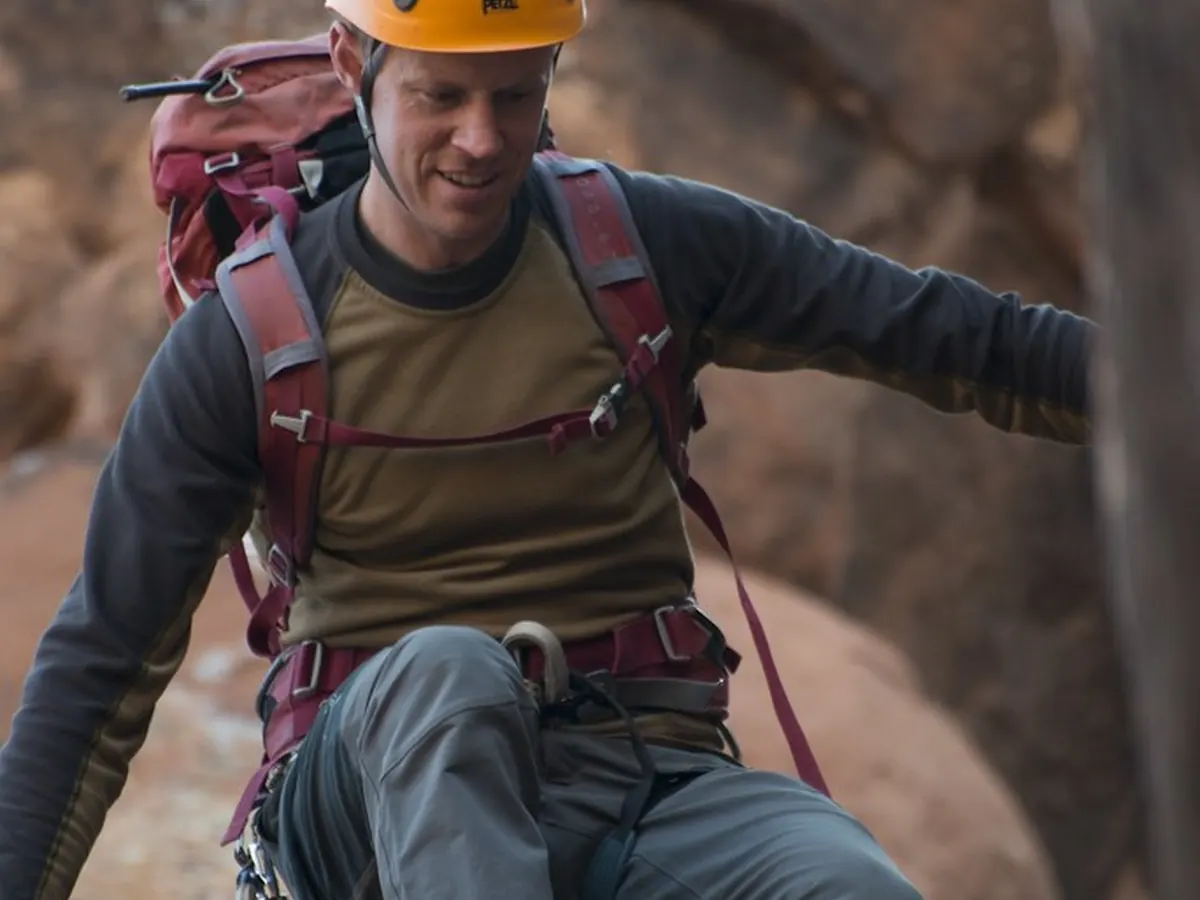
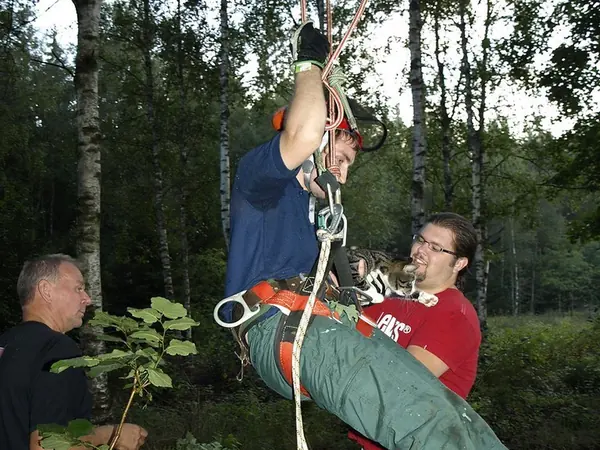
Petzl ASTRO BOD FAST International Harness
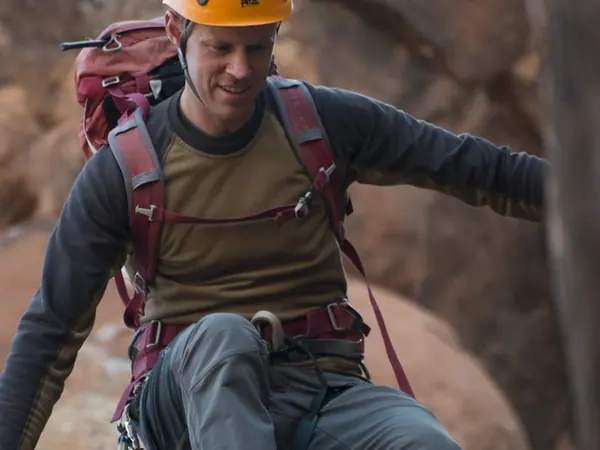
A full-body rope access harness with an integrated chest ascender and FAST buckles.
Typical $449
Arborist safety gear is the part of the kit you hope never gets tested. This department covers helmets, eye and hearing protection, gloves, chainsaw protection, first aid, fall protection, communication and traffic control.
Petzl
A full-body rope access harness with an integrated chest ascender and FAST buckles.
Gap Arborist Supply
Clip-on ear muffs for slotted helmets, for saw, chipper and grinder work.
3M
Hearing protection with a built-in FRS radio for climber-to-ground talk.
Sena
A Bluetooth intercom with Mesh for hands-free climber and ground crew talk.
Sena
Helmet-integrated communication for crews who want hands-free talk.
ERB Safety
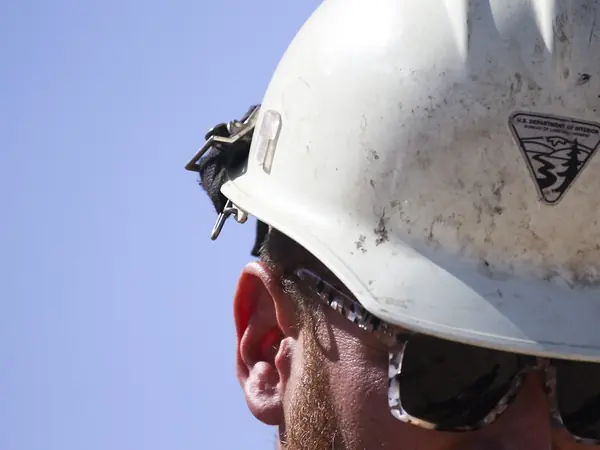
Light, low-cost camo safety glasses for everyday tree work.
Petzl
A clear eye-protection visor made to mount on Petzl helmets.
BloodStopper
A compress bandage for putting fast pressure on a bleeding wound.
WoundSeal
A powder that seals minor cuts and nicks fast on the job.
Husqvarna
Dexterous work gloves for saw work, felling and bucking.
Wonder Grip
Thin, grippy coated gloves that let you feel your hitch and hardware.
Husqvarna
Replacement cushions and foam inserts that bring tired Husqvarna muffs back to spec.
3M
Slot-mount Peltor muffs for crews who live under a helmet all day.
Gap Arborist Supply
An 18-inch cone that tells everyone on site where not to stand.
Gap Arborist Supply
Advance warning for drivers so your crew has room to work along the road.
Gap Arborist Supply
Breathable hi viz green mesh vest so drivers and operators see your ground crew.
Safewaze
A full body fall arrest harness for bucket truck and aerial lift crews.
Pfanner
Bluetooth headset add-on for Protos Integral helmets, for climber-to-ground talk.
Gap Arborist Supply
A bagged emergency descent kit for bucket truck and aerial lift crews.
3M
Over-the-head hearing protection from 3M Peltor for ground crews.
Husqvarna
Helmet-mounted hearing protection from Husqvarna for saw operators.
LAND
Vented climbing-style helmet for climbers who want airflow on hot days aloft.
LAND
Non-vented Class E, Type 2 helmet for line clearance and general tree crew work.
LIFT Safety
Fresh comfort pads for the LIFT Radix helmet when the old ones are flat or worn.
LIFT Safety
Replacement suspension for the LIFT Radix when the harness is worn or damaged.
Pfanner
Clip-on neck cover for the Protos helmet that blocks sun, chips and rain.
Sena
A replacement boom mic to get a Tufftalk Lite headset talking again.
Fox 40
A small retractable reel that keeps a whistle where you can reach it.
Sena
Helmet-mount earmuffs with Bluetooth intercom for climber-to-ground talk.
3M
A mesh face screen for hard hats that works with Peltor earmuffs.
3M
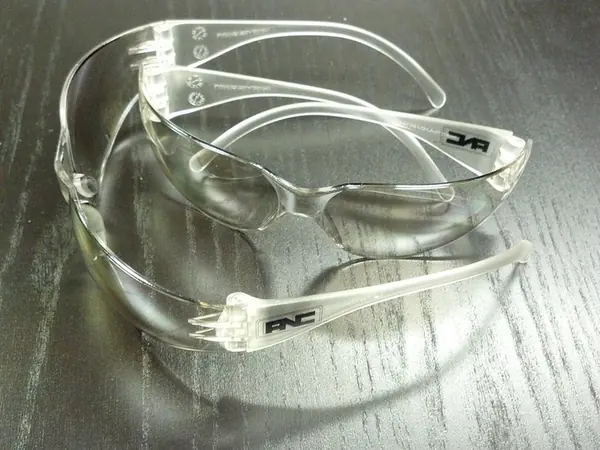
Light, snug clear safety glasses for everyday tree work.
ERB Safety
Low-cost clear safety glasses to keep a crew in eye protection.
ERB Safety
Low-cost smoke safety glasses to keep a crew in eye protection.
Husqvarna
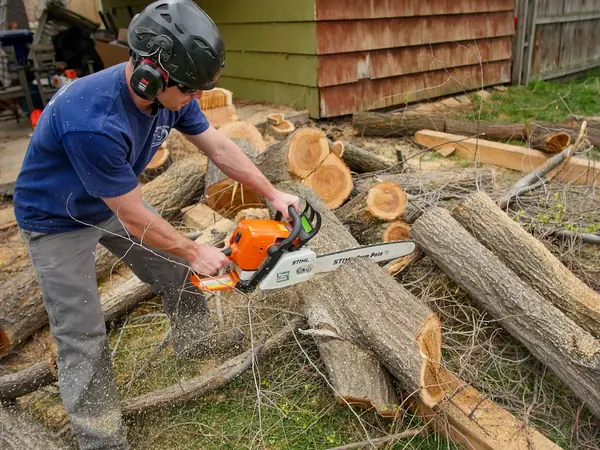
Light wraparound safety glasses for saw work, chipping and cleanup.
Kask
Spare mounting parts to keep a Kask Super Plasma visor tight and working.
Kask
Adapter that lets you mount a mesh visor carrier on a Kask Super Plasma helmet.
Kask
Visor carrier for mounting a face screen on the Kask Zenith helmet.
Pfanner
Clear replacement visor for the Pfanner Protos integrated helmet.
Pfanner
Replacement mesh screen for the Pfanner Protos integrated helmet.
Gap Arborist Supply
A 6 ft wrap-around anchor strap for beams, poles and solid limbs.
Gap Arborist Supply
Rubber filler to bring a Fred rescue training dummy back up to weight.
Petzl
Mobile rope fall arrester with a locking function for backup on a second line.
Buckingham
Wearable bleeding control kit for chainsaw and climbing crews.
Weaver
Bright orange pouch for keeping first aid supplies on your saddle or belt.
3M
Peltor X-series earmuffs that clip into slotted helmets for saw and chipper work.
Kask
Green helmet-mounted ear defenders for Kask Super Plasma and Zenith helmets.
Kask
Higher-attenuation helmet ear defenders for Kask Super Plasma and Zenith.
3M
The highest-protection Optime muff, made to clip onto slotted helmets.
Pfanner
Fresh cushions to restore the seal on Pfanner Protos helmet ear muffs.
3M
Lightweight yellow Optime earmuffs that clip onto slotted helmets.
3M
New cushions and foam inserts to bring Optime 105 muffs back to a good seal.
Sena
A bump cap that carries a Sena SMH10 headset for hands-free crew communication.
Sena
Wear parts for Sena crew headsets, so a torn cushion doesn't bench a radio.
Gap Arborist Supply
Yellow barricade tape for marking drop zones and keeping bystanders out.
Sena
A communication headset for crane operators coordinating picks with the crew.
Husqvarna
Hearing protection with built-in crew communication for climbers and ground workers.
Petzl
Replacement upper comfort foam for Petzl STRATO helmets.
Petzl
A full-body fall arrest harness designed to go on quickly and fit comfortably.
Forester
A rain guard that helps keep rain and debris off your face screen.
Kask
Helmet-mounted yellow earmuffs for Kask Super Plasma and Zenith helmets.
LAND
A replacement face visor for LAND AeroPro and ClimbPro helmets.
3M
Light, self-adjusting 3M safety glasses with a gray lens for sunny jobs.
Edge Eyewear
Sporty wraparound safety glasses with a smoke lens for bright days.
ERB Safety
Sport-style ERB safety sunglasses for crews working in bright sun.
ERB Safety
ERB safety sunglasses with a sporty frame for bright days on the crew.
ERB Safety
The metallic-frame version of ERB's Free Ride safety sunglasses.
ERB Safety
Light sport-style ERB safety sunglasses for bright days.
ERB Safety
Sport-style ERB safety sunglasses for long days in the sun.
ERB Safety
Low-cost mirrored safety sunglasses for crews working in open sun.
ERB Safety
Basic tinted safety glasses that are cheap enough to keep everywhere.
Kask
A mesh face visor made to clip onto Kask Super Plasma helmets.
Kask
A plastic mesh face screen made for Kask Zenith helmets.
Kask
The side adaptors that let a Kask Zenith take a visor and earmuffs.
Petzl
A full mesh face shield for Petzl's 2019 and later Vertex and Strato helmets.
Petzl
A clear eye shield that mounts on 2019 and later Petzl Vertex and Strato helmets.
Pfanner
Fine mesh replacement visor for the Pfanner Protos Integral helmet.
Gap Arborist Supply
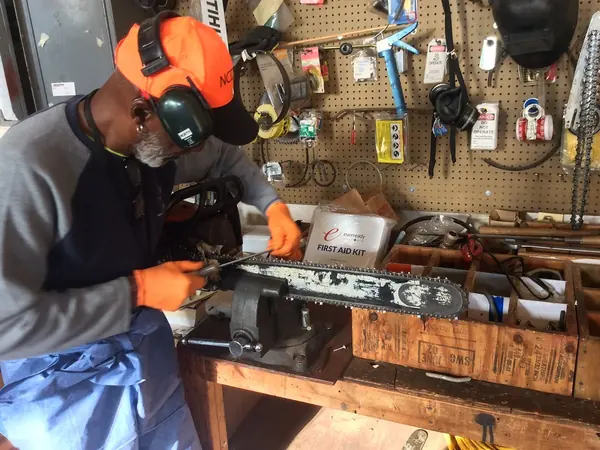
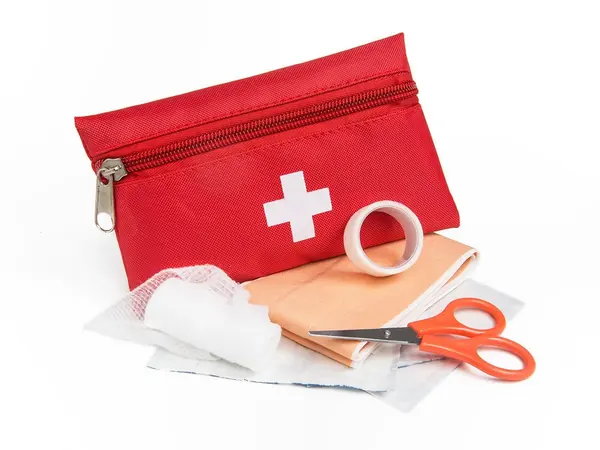
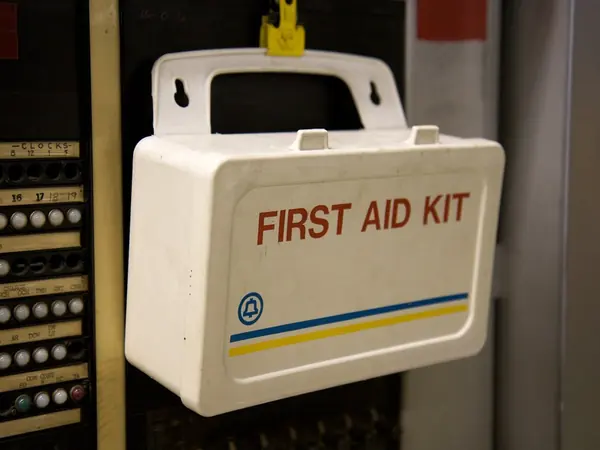
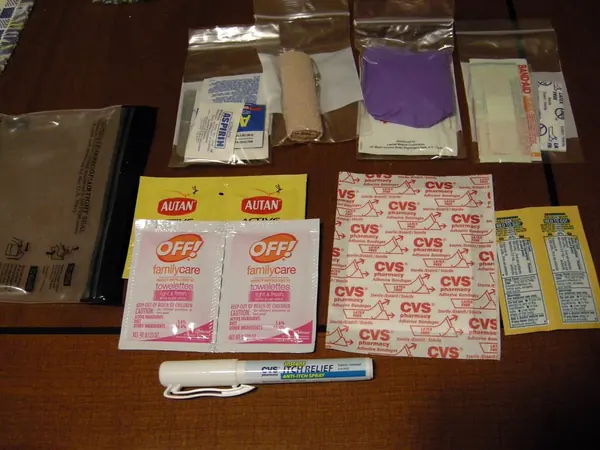
A jobsite first aid kit for the truck, chipper or gear bag.
Petzl
A preassembled pulley haul kit for rescue and mechanical advantage.
Husqvarna
Chainsaw gloves with saw protection on the left hand and good dexterity.
3M
Corded earplugs in a case, ready for saw, chipper and grinder work.
3M
Slim helmet-mounted earmuffs for saw work under a hard hat or climbing helmet.
3M
Fresh cushions and foam inserts to restore the seal on Peltor X4 earmuffs.
JBC
A 36 inch Road Closed sign for full street closures on removals and crane jobs.
JBC
A 36 inch advance warning sign for roadside tree and utility work.
Plasticade
A plastic Tree Work Ahead warning sign for roadside crews.
Nothing matches those filters. Try another brand or raise the price limit.
Buying guide
A helmet built for tree work protects against falling debris and impacts, and many climbers choose helmets that meet climbing and industrial standards. Pair it with a mesh or clear visor and safety glasses rated to ANSI Z87.1, and with helmet-mounted ear muffs. Chainsaws and chippers are loud enough to damage hearing over time, so hearing protection is not optional.
Communication headsets let climbers and ground crew talk without shouting over saws, which cuts down on mistakes during rigging.
Helmets have a service life set by the manufacturer. Replace a helmet after a significant impact, when the shell is cracked or faded, or when the suspension is damaged. Keep the visor, ear muffs and chin strap in good repair, because a helmet that is uncomfortable or broken tends to come off on the job.
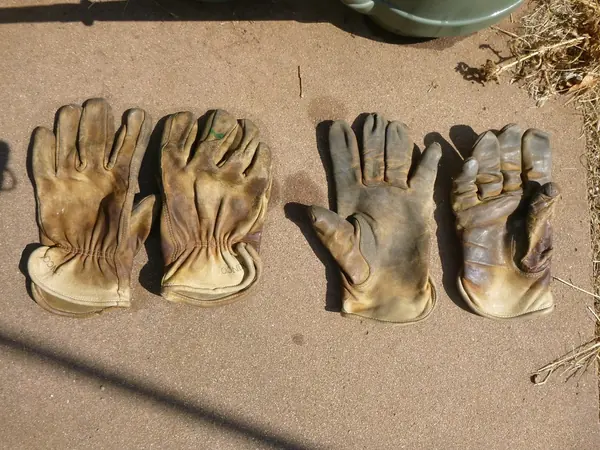
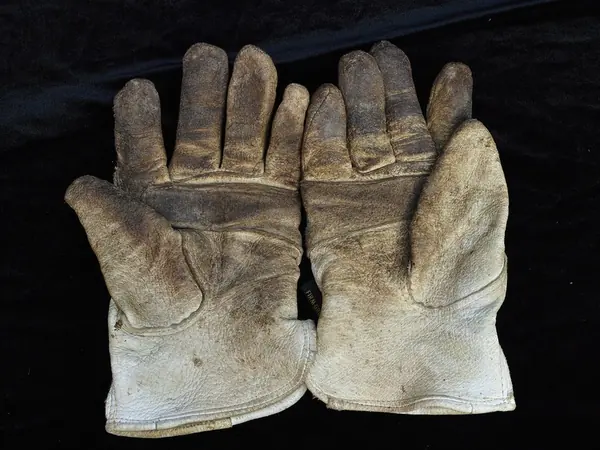
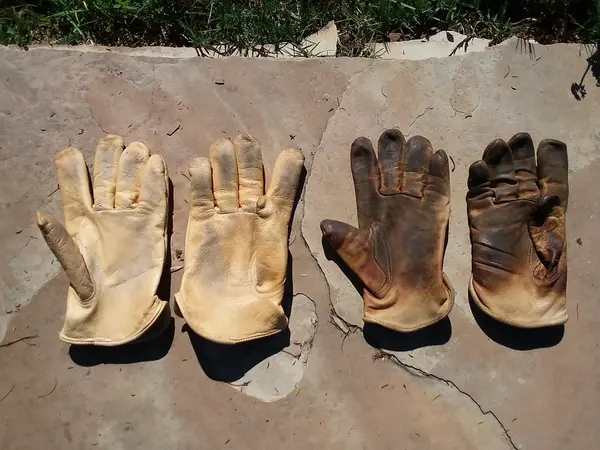
Gloves protect against cuts, splinters and rope burns; choose snug, dexterous gloves for climbing and tougher ones for brush. Chaps or chainsaw pants protect legs during ground saw work, and sturdy boots with good support finish the kit.
Gloves and boots are personal fit items, so let crew members try sizes before buying in bulk. For saw work on the ground, ANSI Z133 expects chain-saw-resistant leg protection. Many crews standardize on chaps for shared use and offer chainsaw pants to full-time saw operators.
Every truck needs a stocked first-aid kit that includes bleeding control supplies, and crews need people trained to use it. Aerial rescue plans and practice are part of being ready, too. Rescue training mannequins let crews practice aerial rescue without risk.
Write down your emergency plan for each job: the address, the nearest hospital, who calls 911, who handles aerial rescue and where the first-aid kit is. Go over it in the tailgate briefing before work starts. It takes a few minutes and pays off when something goes wrong.
Rescue preparedness is part of the safety kit. Every crew with a climber aloft should have someone on the ground trained and equipped to perform an aerial rescue, with a plan agreed before the climb. Practice the plan on a regular schedule so it works under stress.
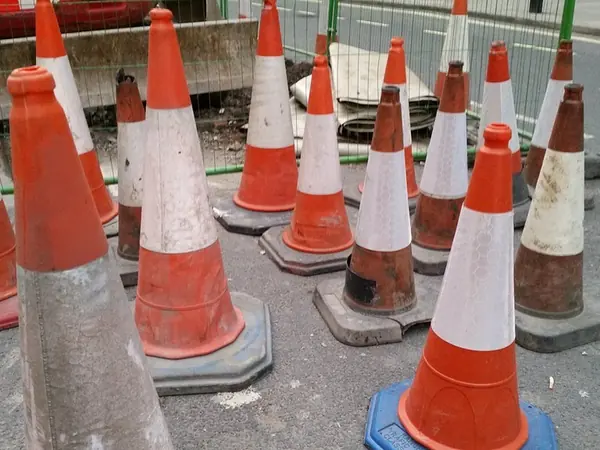
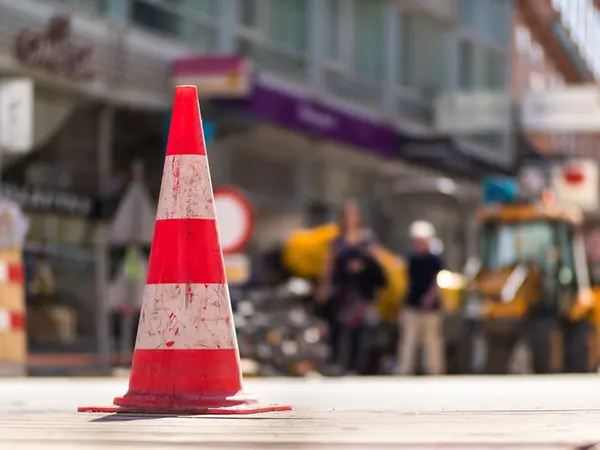
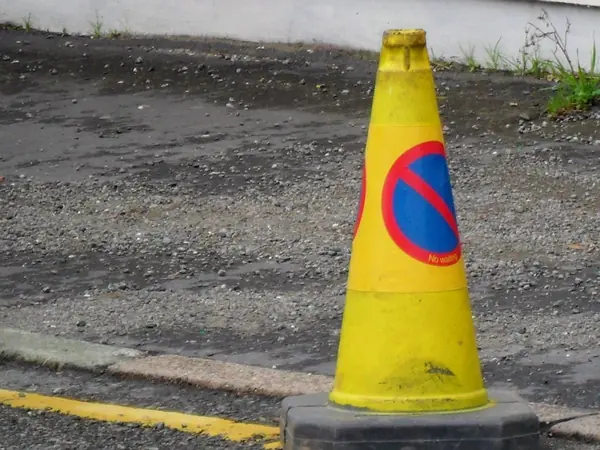
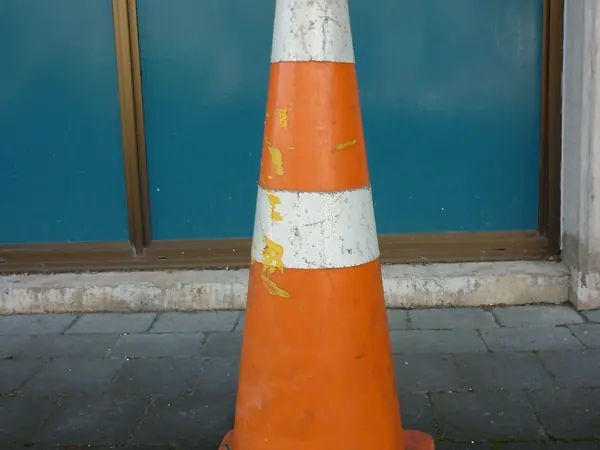
Cones, signs and high-visibility vests define the work zone and protect crews working near roads and sidewalks. Follow the MUTCD and local rules for work zones along roadways. ANSI Z133 sets out PPE and work-zone expectations for arboricultural operations, so read the current edition and match your company's policy to it.
Arborist safety gear works best as a system. A helmet with a visor and ear muffs, a communication headset, gloves, chaps, boots and a vest can all be fitted together so nothing interferes with anything else. Review your crew's PPE every season and replace worn items before they fail.
At minimum: a helmet, eye protection, hearing protection, gloves, appropriate footwear, leg protection for ground saw work and a stocked first-aid kit, plus training.
Yes. Choose helmets that meet the standards required by ANSI Z133 and your employer, such as ANSI Z89.1.
Follow manufacturer service-life guidance, and replace anything that has been damaged, impacted or degraded.
ANSI Z133 and OSHA expect trained people and first-aid supplies at the work site. Check the current rules for your situation.
 Free toolClimbing Kit BuilderPick your climbing system and budget, get a complete, compatible kit list you can add to your cart in one click.