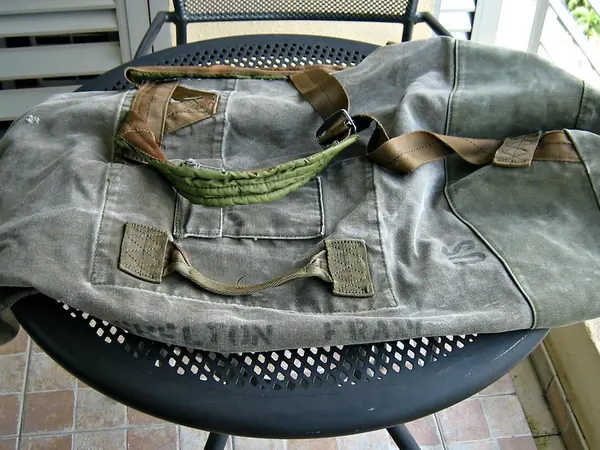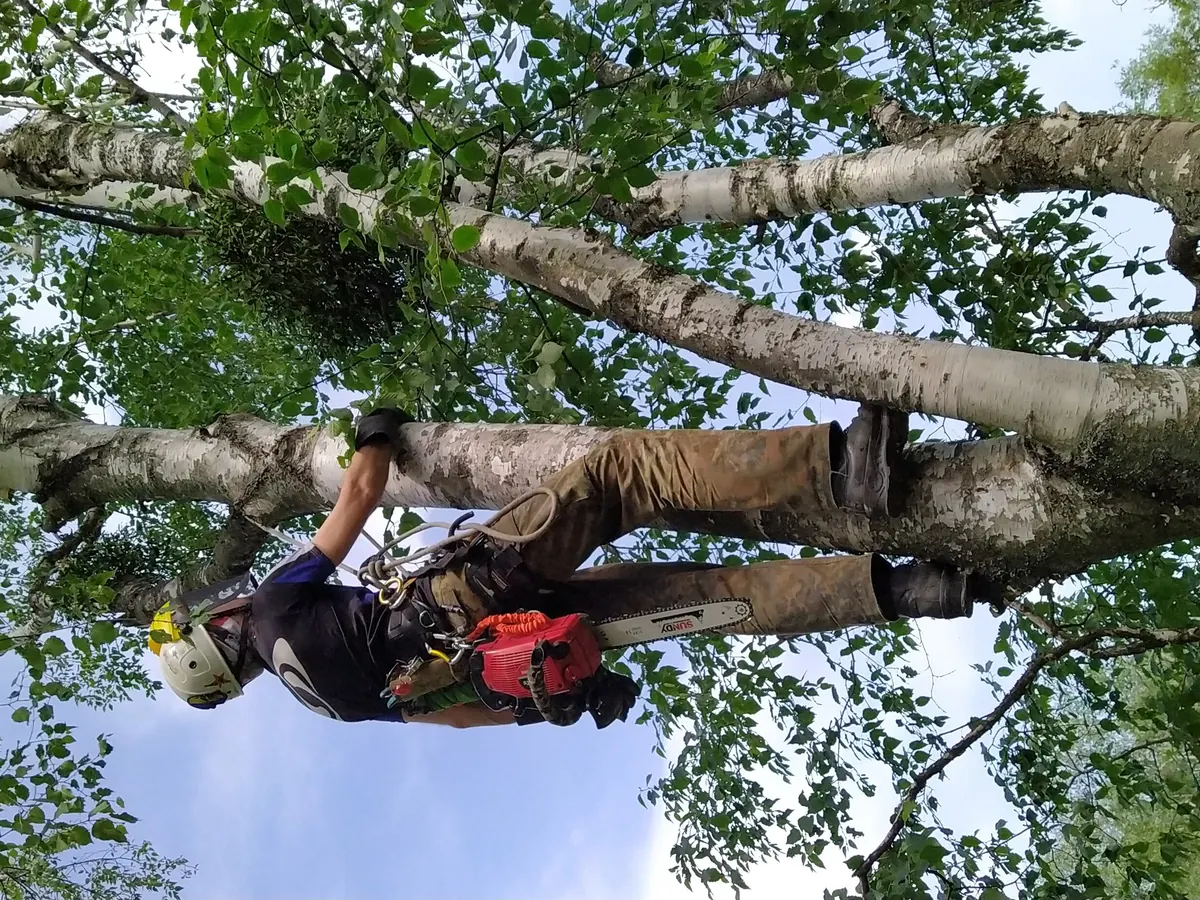
Buckingham
Buckingham Agility Saddle
A Buckingham climbing saddle aimed at climbers who value freedom of movement.
Typical $380
A tree climbing harness is the piece of gear you spend the whole day sitting in, so fit and comfort matter as much as features. Compare arborist saddles from Buckingham, Weaver, Petzl, DMM and Treemotion, plus chest harnesses and parts.
Buckingham
A Buckingham climbing saddle aimed at climbers who value freedom of movement.
Buckingham
A straightforward, supportive Buckingham saddle for working climbers.
Buckingham
A comfort-focused Buckingham saddle for climbers who log long hours aloft.
Petzl
A supportive tree care harness with a sliding bridge for all-day comfort.
Teufelberger
A semi-rigid, highly adjustable saddle for climbers who want support and options.
Edelrid
An elastic chest harness that pairs with the TreeRex saddle for efficient ascent.
Weaver
A simple Weaver chest harness that keeps your saddle and ascent gear in position.
DMM
DMM's Kinisi arborist saddle, built for climbers who spend all day in the tree.
Tree Access
A simple chest harness that keeps your SRT ascent system tight and efficient.
Buckingham
A Buckingham climbing saddle built for comfort on long days in the tree.
Buckingham
A straightforward Buckingham climbing saddle for regular tree work.
Edelrid
A European arborist saddle with a replaceable rope bridge and supportive waist belt.
Husqvarna
An arborist climbing saddle from Husqvarna's tree care range.
Petzl
A Petzl tree climbing saddle with shoulder straps for single-rope technique.
Buckingham
A replacement bridge that keeps a Buckingham ErgoLite saddle in service.
Buckingham
Shoulder straps that retrofit to a Buckingham ErgoVation saddle.
Buckingham
A bridge for setting up an ErgoVation saddle for single-rope climbing.
Buckingham
Shoulder suspenders that carry tool weight on a compatible Buckingham saddle.
Edelrid
A replacement rope bridge for the Edelrid TreeRex saddle.
Petzl
An add-on seat for Petzl SEQUOIA saddles for long stretches hanging in the tree.
Petzl
A chest harness with an integrated CROLL ascender for single-rope climbs.
Petzl
A light chest harness that pairs with a seat harness for upright, balanced climbing.
Teufelberger
Factory replacement bridge for the ANSI version of the Teufelberger treeMOTION saddle.
Teufelberger
Knotted rope replacement bridge for the Teufelberger treeMOTION evo saddle.
Teufelberger
A rope-based accessory part for configuring the Teufelberger treeMOTION evo saddle.
Teufelberger
Add-on shoulder straps that carry part of a loaded treeMOTION saddle's weight.
Teufelberger
Flat webbing bridge option for Teufelberger treeMOTION saddles.
Tree Austria
Compact stainless steel shackle for saddle bridge and attachment-point setups.
Tree Austria
Replacement bridge for the Tree Austria 3.2 saddle.
Weaver
A traditional American-style climbing saddle for everyday tree work.
Weaver
The classic Weaver Cougar saddle with a batten seat for long hours in the tree.
Weaver
A Weaver climbing saddle with a supportive batten seat for long work positioning.
CAMP
A European-style bridge saddle from CAMP for full-day tree work.
Catalyst
A European-style bridge saddle for climbers who spend long days on rope.
DMM
DMM's pro-level bridge saddle for climbers who want light weight and free movement.
R-Easy Climbing
A fabric European-style tree climbing saddle for working arborists.
R-Easy Climbing
The leather version of the Fox European-style tree climbing saddle.
Teufelberger
A pared-back treeMOTION bridge saddle for climbers who want the core design.
Husqvarna
A small 4 in wedge that rides on your saddle for cuts up in the tree.
Reecoil
A hydration harness that keeps water on you through a long climb.
Teufelberger
A replacement gear loop for treeMOTION saddles.
Tree Access
A replacement saddle bridge with a swivel to keep your system from twisting.
Gap Arborist Supply
Replacement 10.5 mm rope bridge for arborist climbing saddles.
Weaver
A Weaver tree-climbing harness for daily climbing and work positioning.
Freeworker
A European-style bridge harness for climbers who move a lot in the tree.
Buckingham
A Buckingham arborist climbing harness for working climbers.
Courant
A chest harness that adds shoulder support to the Courant Koala saddle.
CAMP
Replacement rope bridge for the CAMP Tree Access Evo ANSI saddle.
Courant
A supportive European tree climbing harness for long days in the canopy.
Petzl
Shoulder straps that hold a chest ascender in position for rope ascent.
Petzl
A factory replacement bridge to put a Petzl Sequoia saddle back in service.
DMM
A replacement rope bridge for the DMM Kinisi tree climbing saddle.
Buckingham
A Y-style upper body harness that retro-fits a Buckingham Ergo saddle for fall arrest.
Petzl
A replacement adjustable bridge for Petzl Sequoia saddles.
Petzl
Shoulder straps that take the weight of a loaded Sequoia saddle off your hips.
Petzl
A Petzl chest harness that pairs with a sit harness for support and gear carry.
Teufelberger
Factory leg loops for the CE treeMOTION, to keep a good saddle working.
Teufelberger
A fresh back pad for the treeMOTION evo, for climbers who spend all day in the saddle.
Weaver
A replacement webbing bridge for the Weaver Cougar saddle.
Weaver
Padded saddle suspenders with a built-in water bladder for long, hot climbs.
Weaver
A traditional wide-back climbing saddle for climbers who want simple, solid support.
Weaver
A Weaver climbing saddle built for everyday tree work.
Weaver
A Weaver climbing saddle with two floating D-rings for flexible positioning.
Gap Arborist Supply
A sewn-eye rope bridge to replace a worn bridge on your climbing saddle.
Gap Arborist Supply
An 11mm static rope bridge for swapping out a worn saddle bridge.
Nothing matches those filters. Try another brand or raise the price limit.
Buying guide
In tree work, saddle and harness mean nearly the same thing: an arborist harness built for work positioning, with a wide waist belt, leg straps and attachment points for a climbing line and lanyard. What sets an arborist climbing harness apart from a rock climbing harness is support for hours of hanging, side D-rings for a lanyard, gear loops and rails for tools, and usually a rope bridge that lets your attachment point slide across the front.
Full body harnesses that include shoulder straps and a dorsal attachment are a different category, mainly for fall arrest in bucket trucks and aerial lifts. They are not a substitute for a work positioning saddle in the tree, and a tree saddle is not a fall arrest harness.
Start with how you climb. A climber doing mostly removals on spurs wants a stiff, supportive saddle with wide leg pads and sturdy side D-rings. A pruning climber working SRS all day wants something lighter with good freedom of movement and a comfortable sit. Look at the bridge setup, whether you can adjust it, and how the leg straps attach.
Fit is everything. Measure your waist and thighs, check the sizing chart, and if possible try the harness on and hang in it. Pressure points that seem minor on the ground become miserable after six hours in a tree. Many saddles adjust widely, but the waist pad should sit comfortably above your hips.
Consider gear capacity too. Climbers who carry a lot of tools want plenty of loops and rails. Climbers who work light want a saddle that carries just the essentials without bulk.
Buckingham and Weaver build classic American saddles with a long track record in removals and utility work. European designs such as the Petzl Sequoia, DMM Kinisi and Treemotion focus on adjustability, light weight and a comfortable hang for long canopy days. Neither style is better in every case. Many experienced climbers own one of each for different kinds of work.
Chest harnesses, saddle parts and accessories round out the section. A chest harness helps keep you upright and is common in SRS setups, where it often carries an ascender. Replacement bridges, D-rings and leg straps keep a good saddle in service longer.
Weaver saddles are popular with utility and line clearance climbers. Full body harnesses are available in this section for aerial lift and rescue use, separate from tree climbing saddles.
Inspect your saddle before every climb: stitching, webbing, buckles, D-rings, bridges and gear loops. Look for cuts, abrasion, heat damage, chemical stains and worn or deformed hardware. Replace bridges on the schedule the manufacturer gives, or sooner if worn. Follow the manufacturer's lifespan guidance, keep the saddle away from fuel and oil, and make sure every climber is trained in its use and in the requirements of ANSI Z133.
One that fits you well and suits the work you will do most. A mid-weight saddle with an adjustable bridge and good leg support is a comfortable all-round starting point.
Rock harnesses are not designed for hours of work positioning and usually lack side D-rings for a lanyard. Use an arborist saddle for tree work.
Follow the manufacturer's guidance and replace it sooner if you see abrasion, cuts, glazing or any damage. Bridges wear faster than the rest of the saddle.
Full body harnesses are mainly for fall arrest, such as in aerial lifts. For climbing, an arborist saddle, sometimes with a chest harness, is the standard choice.
 Free toolClimbing Kit BuilderPick your climbing system and budget, get a complete, compatible kit list you can add to your cart in one click.