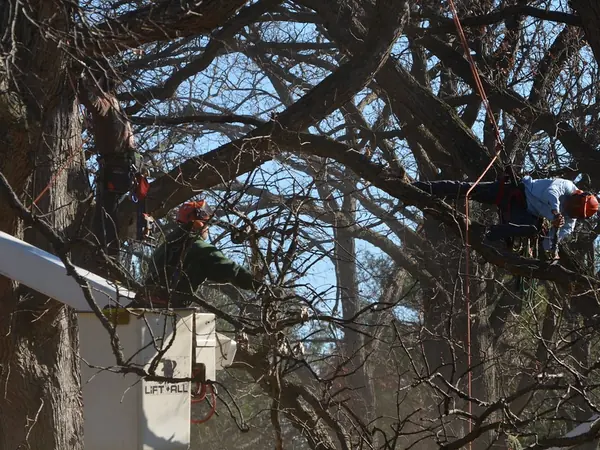
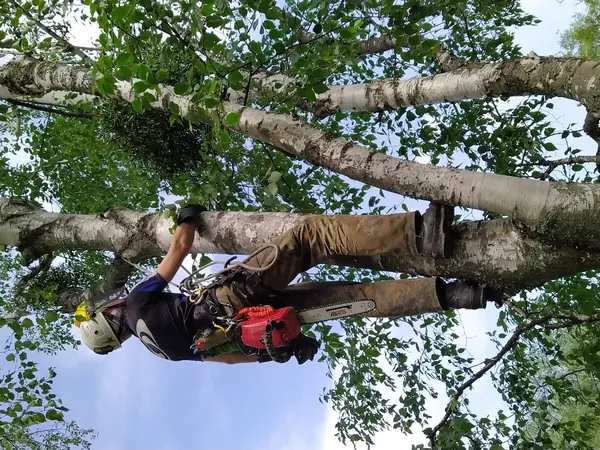
Buckingham
Buckingham Agility Saddle
A Buckingham climbing saddle aimed at climbers who value freedom of movement.
Typical $380
Buckingham saddles have been on American tree crews for a long time, known for tough construction and solid support. Compare the Agility, Buckcraft and Ergovation to find the Buckingham tree saddle that suits how you climb.
Buckingham
A Buckingham climbing saddle aimed at climbers who value freedom of movement.
Buckingham
A straightforward, supportive Buckingham saddle for working climbers.
Buckingham
A comfort-focused Buckingham saddle for climbers who log long hours aloft.
Buckingham
A Buckingham climbing saddle built for comfort on long days in the tree.
Buckingham
A straightforward Buckingham climbing saddle for regular tree work.
Buckingham
A Buckingham arborist climbing harness for working climbers.
Nothing matches those filters. Try another brand or raise the price limit.
Buying guide
The Buckcraft is a classic utility and removal saddle with a stiff back and a straightforward layout. The Agility is lighter and more flexible, aimed at climbers who spend their day moving through the canopy. The Ergovation focuses on comfort over long days, with a design built around keeping pressure off the hips and legs.
All three are work positioning saddles with side D-rings for a lanyard. Look at the attachment points, bridge options and gear storage to decide which matches your system.
If you are not sure which suits you, think about how you spend most of your time. Spur work and removals point toward the Buckcraft. Long canopy days on rope point toward the Agility or Ergovation. If you split time between both, comfort over long hangs is usually the deciding factor.
Buckingham tree climbing equipment has a long history in American tree care, and the saddles reflect that: thick padding, tough webbing and hardware sized for daily use. The trade-off is that some models are heavier than European alternatives. For many climbers, especially those doing removals, that durability is the point.
Buckingham climbing saddles come in sizes based on waist measurement. Measure over the clothes you actually work in, check the size chart, and leave room for adjustment. Leg straps should support your thighs without pinching, and the back should sit above your hips. If you can, hang in a saddle before committing to it for daily work.
Leg straps on Buckingham saddles adjust differently from model to model, so read the fit instructions. Some climbers add padding or adjust strap placement to suit their build.
A good fit also improves safety, since a saddle that rides up or shifts can put you in awkward positions.
Buckingham also builds spurs, lanyards and bags, so some climbers keep their whole kit in one brand. That is not required. Any compatible, rated connector, lanyard or friction device can work with a Buckingham saddle as long as you follow each manufacturer's instructions.
Buckingham also makes replacement parts like bridges and D-rings for some models. Using genuine parts keeps the saddle within the manufacturer's approved configuration.
Mixing brands is common and works well when every part is compatible.
Inspect stitching, webbing, buckles and D-rings before each climb. Keep the saddle away from fuel, bar oil and battery acid, dry it out after wet days and replace worn bridges promptly. Retire the saddle according to Buckingham's guidance or if anything looks wrong. Train with the saddle before using it for real work, and follow ANSI Z133.
Keep the saddle's manual with your gear records. It contains the approved attachment points and inspection criteria for that model, which is exactly what you need when checking it before work or training a new climber on it.
The Buckcraft has long been a favorite for removal and spur work thanks to its stiff, supportive design.
Yes, with the right bridge and attachment setup. Lighter models like the Agility suit climbers who move a lot in the canopy.
Measure your waist over your work clothes and use Buckingham's size chart. Pick a size that leaves room to adjust.
 Free toolClimbing Kit BuilderPick your climbing system and budget, get a complete, compatible kit list you can add to your cart in one click.