
Jail Brake
Jail Brake Lowering Device
Tree-mounted friction device for controlled lowering on rigging jobs.
Typical $349
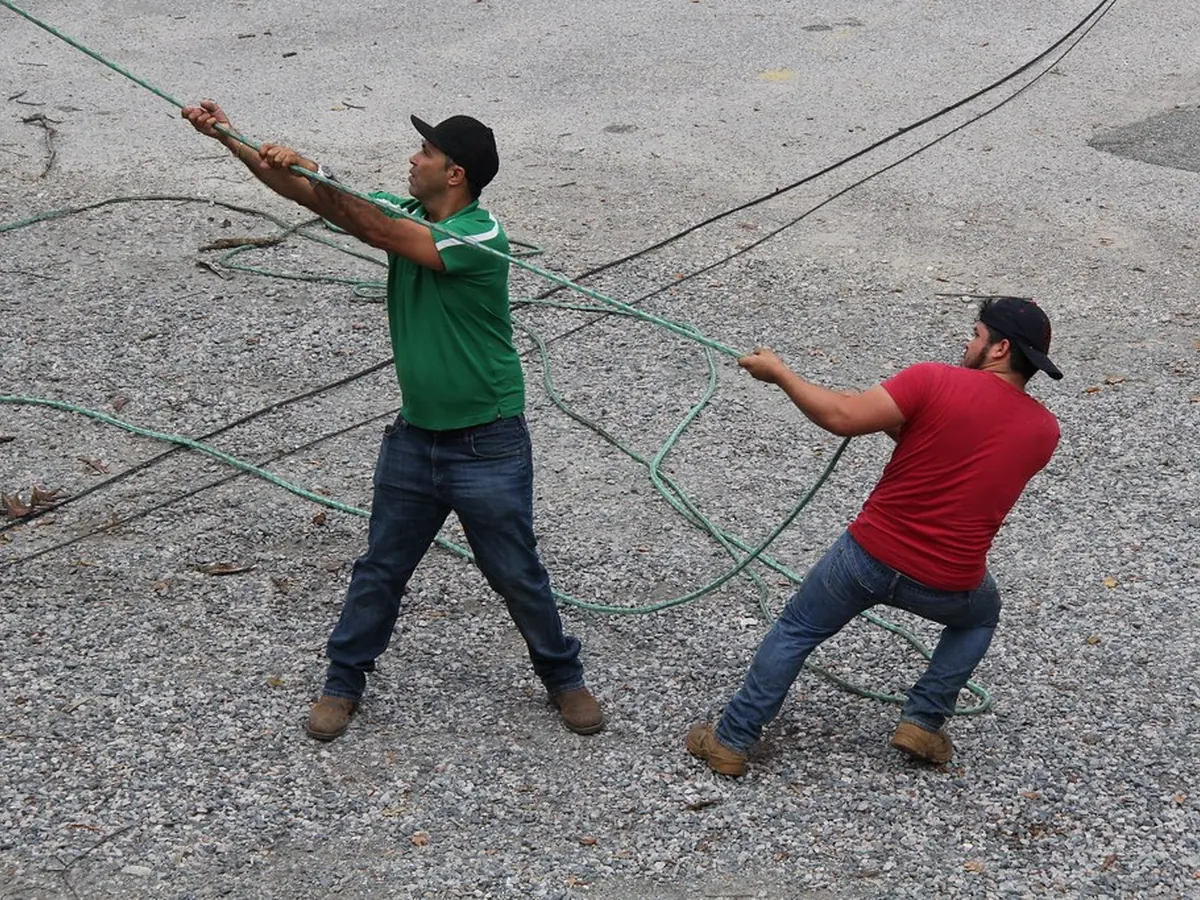
A lowering device puts controlled friction on the rigging rope so the ground worker can let a piece run and stop it smoothly. This lowering gear mounts on the trunk or a sling.
Jail Brake
Tree-mounted friction device for controlled lowering on rigging jobs.
Buckingham
A medium friction lowering device for controlled lowering on everyday removals.
Good Rigging
A trunk-mounted lowering device and winch in one, for crews that rig big wood.
Hobbs
A trunk-mounted friction lowering device built for heavy rigging control.
Buckingham
The large friction lowering device for bigger rigging lines and heavy wood.
CMI
Friction device that helps the ground crew control loads on a rigging line.
Buckingham
A compact Port-A-Wrap for lowering light limbs and small wood.
Gap Arborist Supply
A friction lowering device for light rigging loads up to 120 kg.
Stein
A trunk-mounted Stein rigging winch for controlled lowering and lifting.
Stein
Winch parts for the Stein RCW 3001, for crews that lower and pull with one device.
Stein
A trunk-mounted lowering device for controlled rigging on removals.
ISC
A friction device for lowering light limbs and brush in the canopy.
Nothing matches those filters. Try another brand or raise the price limit.
Buying guide
Port-a-Wrap style devices are simple and light: wrap the rope a set number of times to adjust friction. Larger devices handle bigger rope and heavier pieces. Bollard-style systems with a winch or locking feature let one person lower, hold and even lift loads.
Size the device to your rope and loads, attach it to the tree with a rated sling, and keep hands clear of the wraps. Train on smaller pieces before running heavy wood.
Mount the lowering device on the trunk or a sound anchor near the base of the tree, in line with the rigging line's direction. Place it where the ground worker has a clear view of the piece and a safe spot to stand outside the drop zone.
Lowering gear sees a lot of heat and rope wear. Check the horns or bollard for grooves, check the mounting sling and connector, and keep the device clean of grit. Some systems, like those with a winch or ratchet, also let you lift or tension, which helps with pull lines and speed lines. Learn each device's limits from the manufacturer's instructions.
It depends on the load, rope and device. Start with more friction than you think you need and follow the manufacturer's guidance.
 Free toolRigging Load CalculatorEstimate the weight of a log by species and size, see the shock load of a drop, and size your rope and sling with a working-load margin.