Jail Brake
Jail Brake Lowering Device
Tree-mounted friction device for controlled lowering on rigging jobs.
Typical $349
 Lowering Devices
Representative photo. Check the retailer listing for the exact model, color and size.
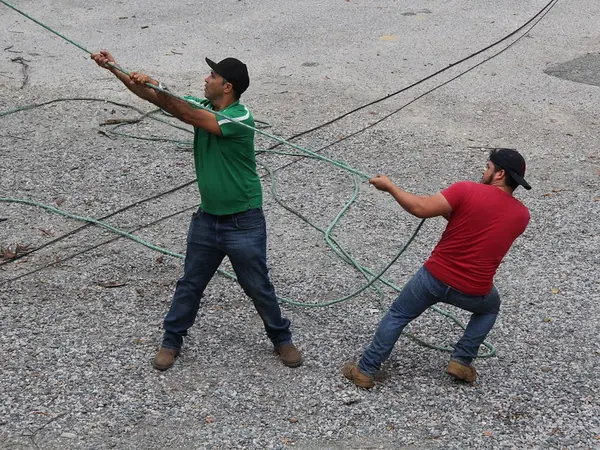
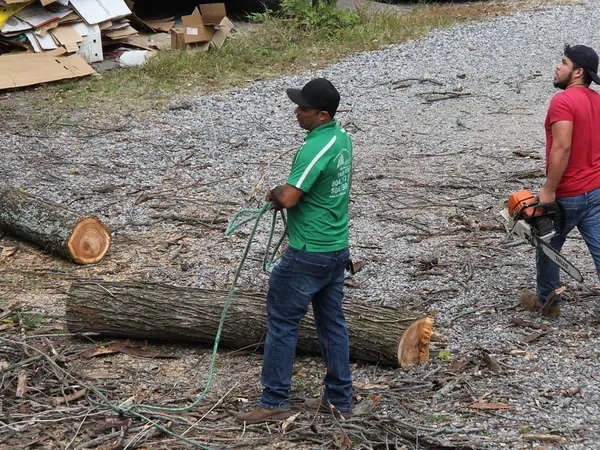
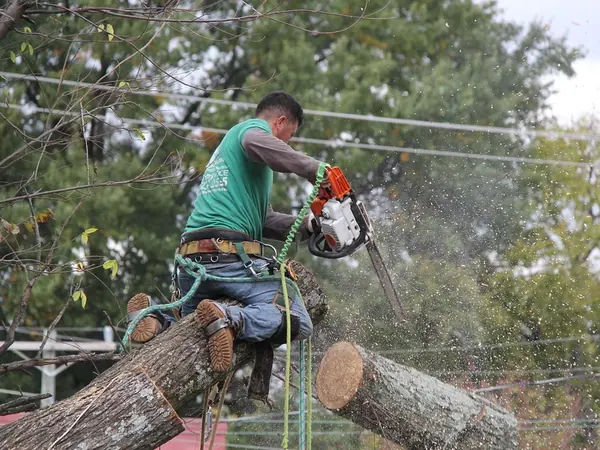
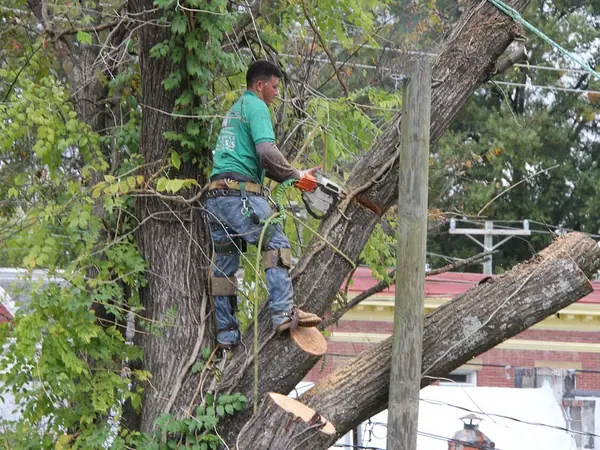
Photo: Crimea_IMG_9320 1 by kstepanoff, CC BY 2.0
A compact Port-A-Wrap for lowering light limbs and small wood.
The Buckingham Port-A-Wrap Mini is a compact friction lowering device that lets a ground worker control light rigging loads on pruning and small removal jobs. Wrapping the rigging line around its barrel adds controllable friction, so pieces come down smoothly instead of running.
Anchor the device to the base of a tree or another solid point with a sling, and take a number of wraps of the rigging line around the barrel. More wraps add friction; fewer wraps let the rope run more easily. The ground worker holds the tail and controls the descent of each piece, letting the rope run a little to soften the catch.
The Mini is made for lighter work: limbs over a roof, small wood, and pruning cuts on a light rigging line. Bigger wood and larger rope call for a full-size device. Check Buckingham's rope range and ratings before you choose it for a job.
Because it is small and light, the Mini is easy to carry into back yards and set up on a small tree or fence post that would not suit a larger device.
Keep hands and gloves clear of the wraps, wear gloves made for rope work, and watch for heat on long lowers. Inspect for grooves worn by rope, cracks, and damage at the anchor point. See full-size options in our lowering devices section.
Rigging forces are dynamic and can be several times the weight of the piece. Follow the manufacturer's ratings and ANSI Z133, inspect every component before the job, and keep rigging work to trained crews.
| Type | Port-A-Wrap friction device |
|---|---|
| Size | Mini |
| Use | Light rigging and lowering |
Specs are from the manufacturer's published figures where available. Confirm against the product listing before you buy.
It depends on the load and rope. Start with more friction than you think you need, follow Buckingham's guidance, and adjust as you learn the setup.
For light limbs and small wood, yes. Heavier pieces need a larger lowering device and rope.
Pairs well with
Jail Brake
Tree-mounted friction device for controlled lowering on rigging jobs.
Buckingham
A medium friction lowering device for controlled lowering on everyday removals.
Good Rigging
A trunk-mounted lowering device and winch in one, for crews that rig big wood.
Hobbs
A trunk-mounted friction lowering device built for heavy rigging control.
Buckingham
The large friction lowering device for bigger rigging lines and heavy wood.
CMI
Friction device that helps the ground crew control loads on a rigging line.
Gap Arborist Supply
A friction lowering device for light rigging loads up to 120 kg.
Stein
A trunk-mounted Stein rigging winch for controlled lowering and lifting.
Buckingham Port-A-Wrap Mini$79