Jail Brake
Jail Brake Lowering Device
Tree-mounted friction device for controlled lowering on rigging jobs.
Typical $349
 Lowering Devices
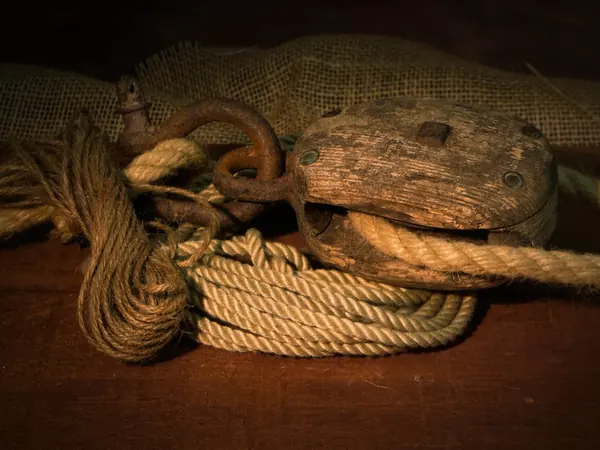
Representative photo. Check the retailer listing for the exact model, color and size.
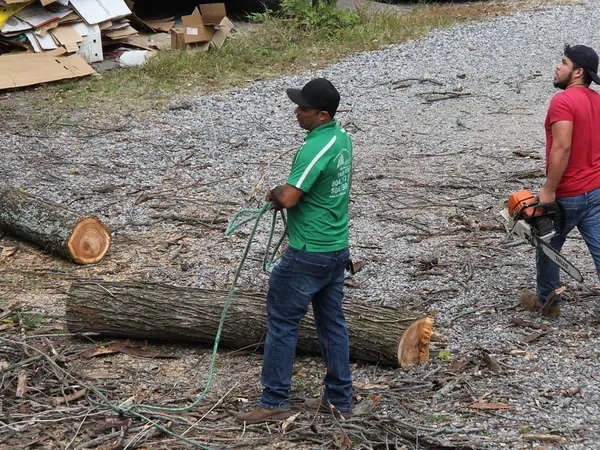
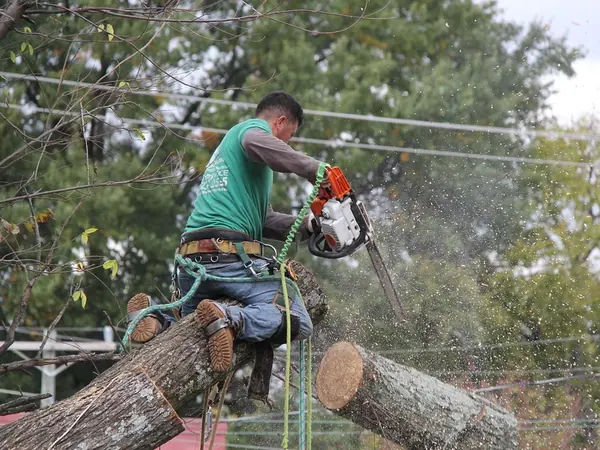
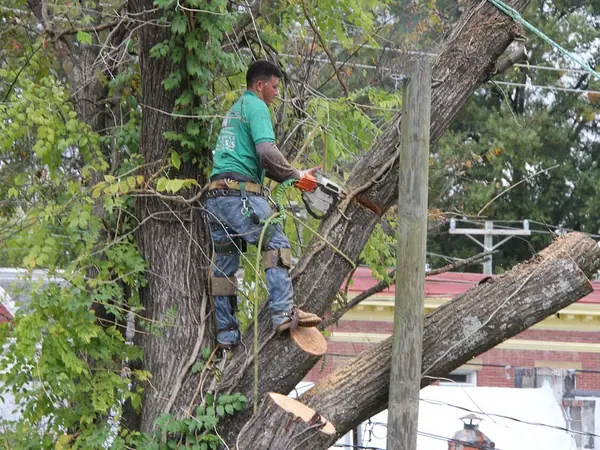
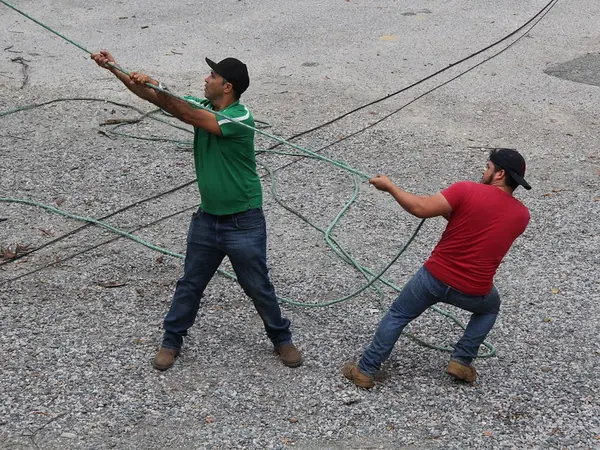
Photo: Tree Pruning in RVA (Carytown, Virginia) by Gamma Man, CC BY 2.0
A medium friction lowering device for controlled lowering on everyday removals.
The Buckingham medium Portawrap is the classic friction lowering device: a tube with horns that you mount to the trunk and wrap the rigging line around. The ground worker controls how fast each piece comes down by adding wraps and holding tension on the tail. The medium size covers the rope sizes most tree crews rig with day to day.
A port a wrap turns the rigging line's energy into heat through friction on the tube. You anchor the device to the base of the tree or a nearby tree, run the line from the block above down to the tube, and wrap it around between the horns. Each wrap adds friction. The ground worker holds the tail and feeds or stops the line.
Without a lowering device, the friction comes from wraps around the trunk itself, which works but wears the bark and gives you less control. A Portawrap puts the friction in one consistent, inspectable spot and lets you set it to suit the load.
It is the right tool for crews that lower wood regularly but do not need a winch or capstan. See all lowering devices to compare options.
Light pieces need few wraps; heavy pieces and long falls need more. Too few and the ground worker cannot hold the load. Too many and the piece shock-loads the rigging when it stops instead of running a little to soften the catch. The art of rigging is letting pieces run just enough.
Start with more wraps than you think you need while you learn the device, and adjust as you get a feel for each tree. Keep the tail controlled at all times, with gloves on, and never wrap the tail around a hand.
Communication matters as much as wraps. The climber calls the cut, the ground worker confirms ready, and nobody stands between the device and the load. Agree on calls before the first piece.
Mount the Portawrap on the side of the trunk facing the block so the line runs in a straight path from above. Use a sling, chain or strap rated for the forces involved and set it so the device cannot slide up the trunk under load.
Some crews mount it on a neighboring tree to get the ground worker out of the drop zone. That works if the anchor tree is sound and the line runs clear. Keep the area around the device free of brush so the operator has good footing.
Check the tube and horns for grooves worn by rope, cracks and bends. Deep grooves can damage rope and reduce friction control. Inspect the mounting sling or chain every time you set up.
Rigging forces add up fast. Size every component, from block to sling to Portawrap, for the loads you plan to drop. Lowering devices are rigging equipment, not life support. Train ground workers on wraps and line handling before they run the device, and work to ANSI Z133.
Rope wear concentrates on the tube, so rotate which part of the line takes the wraps, and retire rope that shows glazing or heavy fuzzing.
| Brand | Buckingham |
|---|---|
| Size | Medium |
| Type | Friction lowering device |
| Mounting | Sling, chain or strap around the trunk |
| Friction control | Number of wraps plus tail tension |
| Ratings | See Buckingham's instructions and markings |
Specs are from the manufacturer's published figures where available. Confirm against the product listing before you buy.
The medium is sized for the mid-range rigging lines most crews use. Check Buckingham's listed range for your rope before you buy.
Yes. Portawrap, port-a-wrap and port a wrap all refer to the same style of friction lowering device.
It depends on load weight, fall distance and rope. Start with more friction while learning and reduce as you gain experience.
Medium suits typical rigging. Choose the large for heavier wood and bigger rope.
Pairs well with
Jail Brake
Tree-mounted friction device for controlled lowering on rigging jobs.
Good Rigging
A trunk-mounted lowering device and winch in one, for crews that rig big wood.
Hobbs
A trunk-mounted friction lowering device built for heavy rigging control.
Buckingham
The large friction lowering device for bigger rigging lines and heavy wood.
CMI
Friction device that helps the ground crew control loads on a rigging line.
Buckingham
A compact Port-A-Wrap for lowering light limbs and small wood.
Gap Arborist Supply
A friction lowering device for light rigging loads up to 120 kg.
Stein
A trunk-mounted Stein rigging winch for controlled lowering and lifting.
Buckingham Medium Portawrap$230