Jail Brake
Jail Brake Lowering Device
Tree-mounted friction device for controlled lowering on rigging jobs.
Typical $349
 Lowering Devices
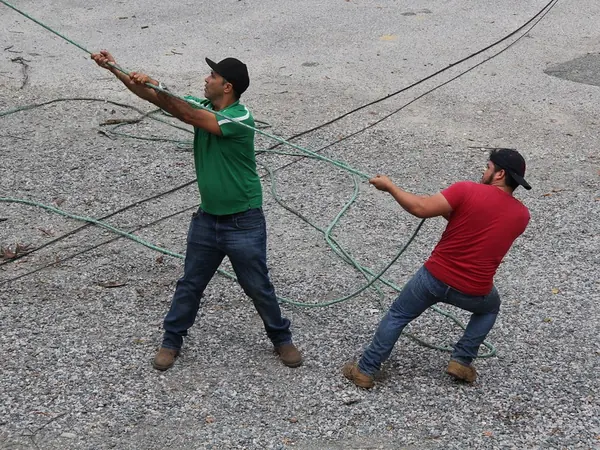
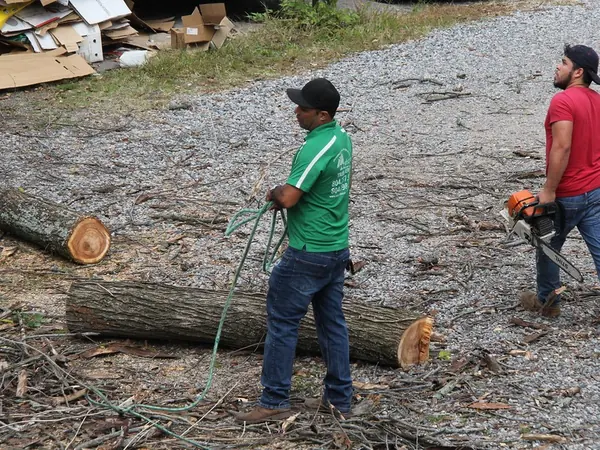
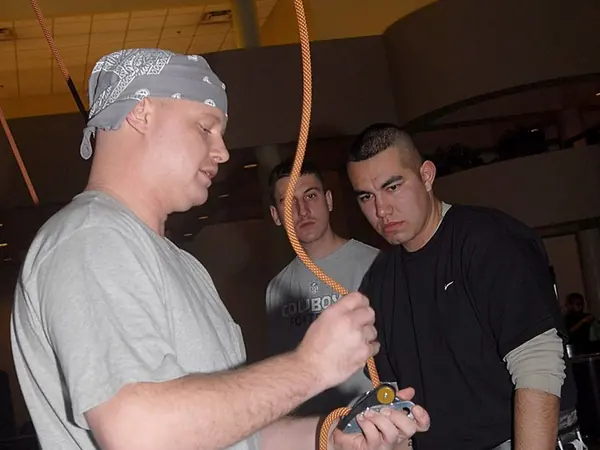
Representative photo. Check the retailer listing for the exact model, color and size.
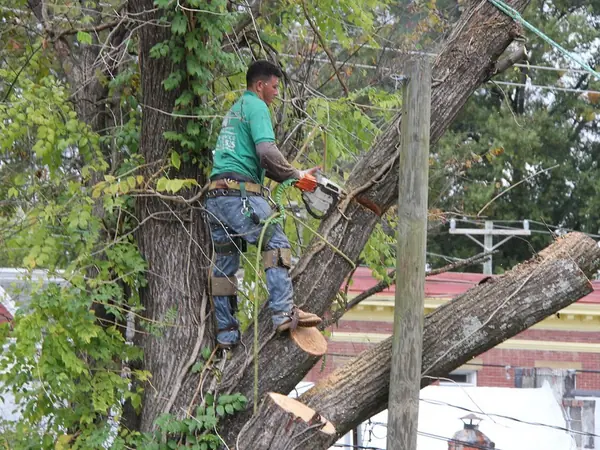
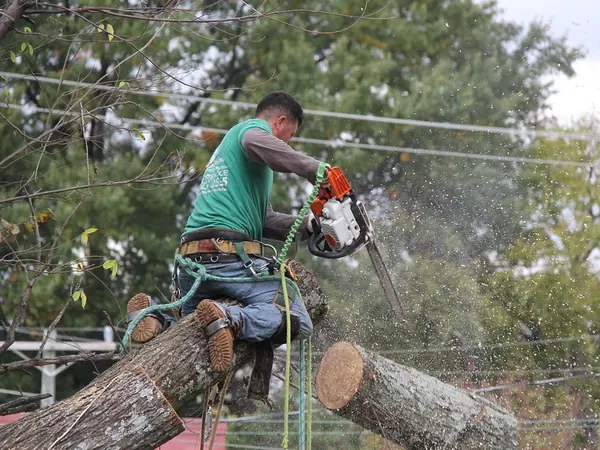
Photo: Tree Pruning in RVA (Carytown, Virginia) by Gamma Man, CC BY 2.0
A trunk-mounted friction lowering device built for heavy rigging control.
The Hobbs lowering device H2 is a trunk-mounted friction device built for controlled lowering of heavy wood. It gives the ground worker a big, solid friction surface and positive control of the rigging line, so pieces come down smoothly and stop where they should.
Like other friction devices, the Hobbs takes wraps of the rigging line, and the ground worker controls descent by holding the tail. The difference is in the size and build: a larger drum and solid mounting suited to heavier wood than a small tube device handles comfortably.
Mounted at the base, it puts friction in one controlled place instead of on the bark. The operator can let pieces run, then bring them to a smooth stop instead of a hard catch.
Because the device is strapped rather than chained, it sets up fast on trunks of different sizes and comes off cleanly when the removal is done. That matters on days with several removals where every minute spent rigging is a minute not cutting.
It also reduces bark wear on trees you are only pruning, where wrapping the trunk itself would leave scars.
Crews who rig big wood every week get the most from a Hobbs lowering device. If your work is mostly small pruning drops, a large Portawrap may do the job for less money. If you need to lift and pre-tension as well as lower, compare with the Good Rigging Control System, which adds a winch.
Whatever you pick, match the device to the rope diameter and load range in the maker's manual.
Strap the device to the trunk on the side facing the rigging point so the line feeds straight onto the drum. Use straps in good condition and tighten them so the device cannot creep up the stem under load. Some crews prefer to mount on a neighboring tree to keep the operator out of the drop zone; the anchor tree has to be sound.
Clear the ground around the device for good footing. The operator needs room to manage the tail and step back from the line's path.
Keep the rope bag at the operator's feet and the tail running cleanly off the top, so it feeds without snagging when a big piece runs. A snag at the wrong moment turns a smooth lower into a shock load.
Check the drum and horns for rope grooves, cracks and loose hardware, and inspect the straps for cuts and UV damage. Rope wear at the drum is normal, but deep grooves need attention.
All components in a rigging system must be rated for the loads and inspected before use. Lowering devices are not life support. Train operators before they run heavy pieces and work to ANSI Z133.
Agree on calls between climber and ground before the first piece. Keep the device and its straps out of the sun and weather between jobs; UV and moisture shorten strap life. Record inspections so the whole crew knows the gear's history.
| Model | Hobbs H2 |
|---|---|
| Type | Friction lowering device |
| Mounting | Strapped to trunk or anchor tree |
| Friction control | Wraps on the drum plus tail tension |
| Ratings | See the maker's manual |
Specs are from the manufacturer's published figures where available. Confirm against the product listing before you buy.
Controlled lowering of heavy wood during removals, with friction set by the number of wraps on the drum.
It is a larger, heavier-duty friction device with strap mounting, aimed at crews lowering big wood regularly.
It is a lowering device. For lifting and pre-tensioning, look at units with a built-in winch such as the GRCS.
Pairs well with
Jail Brake
Tree-mounted friction device for controlled lowering on rigging jobs.
Buckingham
A medium friction lowering device for controlled lowering on everyday removals.
Good Rigging
A trunk-mounted lowering device and winch in one, for crews that rig big wood.
Buckingham
The large friction lowering device for bigger rigging lines and heavy wood.
CMI
Friction device that helps the ground crew control loads on a rigging line.
Buckingham
A compact Port-A-Wrap for lowering light limbs and small wood.
Gap Arborist Supply
A friction lowering device for light rigging loads up to 120 kg.
Stein
A trunk-mounted Stein rigging winch for controlled lowering and lifting.
Hobbs H2 Lowering Device$1,150