Jail Brake
Jail Brake Lowering Device
Tree-mounted friction device for controlled lowering on rigging jobs.
Typical $349
 Lowering Devices
Representative photo. Check the retailer listing for the exact model, color and size.
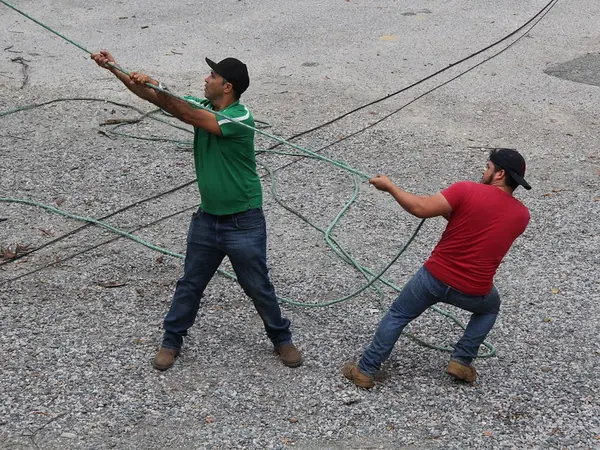
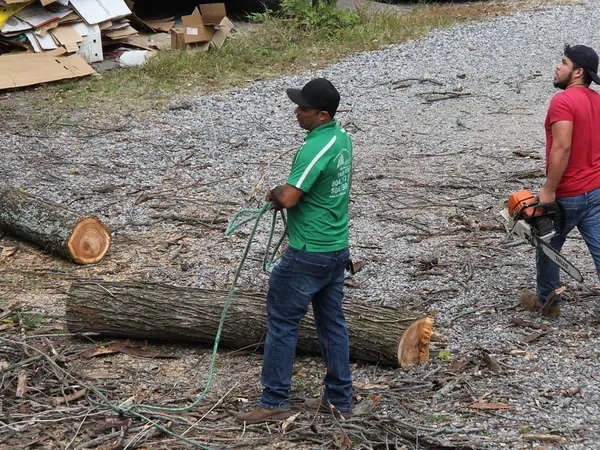
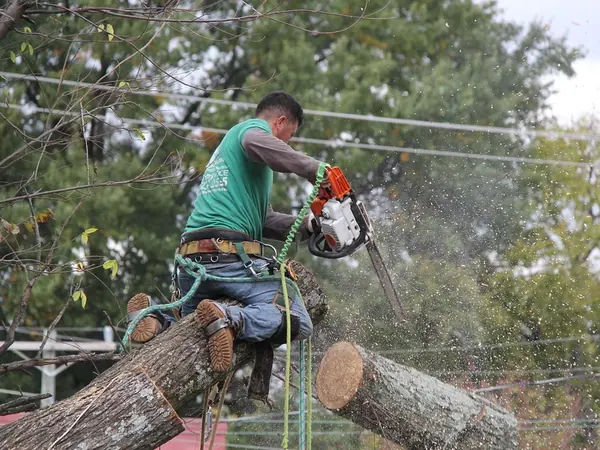
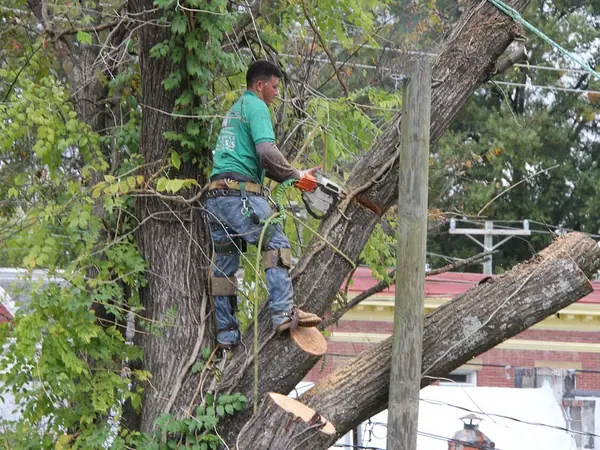
Photo: Tree Pruning in RVA (Carytown, Virginia) by Gamma Man, CC BY 2.0
The large friction lowering device for bigger rigging lines and heavy wood.
The large porta wrap is the bigger version of the classic friction lowering device, sized for heavier rigging lines and the bigger pieces that go with them. Mount it at the base, take wraps and the ground worker has full control of how fast each piece comes down.
If you are rigging big wood on thicker rope, a medium device starts to run out of room. The large port-a-wrap has the surface and diameter for heavier lines and gives the ground worker more friction to work with. It also suits crews who run long lowers, where the heat built up on a smaller tube becomes an issue.
Smaller crews that mostly do pruning and light removals are usually better served by the medium Portawrap.
A larger tube also spreads heat over more surface, which helps on long lowers. If your rigging line has grown from medium to heavy over the years, the device should grow with it.
Anchor the device to the trunk on the side facing the rigging point, with a sling, chain or strap rated for the load. Set it so it cannot ride up the stem. Wrap the line around the tube between the horns: more wraps for heavier pieces and longer drops, fewer for light ones.
Let pieces run a little before stopping them. A hard stop multiplies the force on the block, the sling and the top of the tree. The ground worker should hold the tail with gloved hands and never wrap it around a hand or arm.
Mount height matters too. Keep the device low enough that the operator can work it standing comfortably, but high enough that the tail does not drag in debris. Set the anchor before the climber goes up so rigging starts without delay.
Friction devices create heat. On long lowers with heavy wood, the rope and tube can get hot enough to glaze rope fibers. Give the system a breather on big jobs, and inspect the rope for glazing and stiffness.
Keep the tube clean of sap and grit, which wears rope faster. A rope bag at the base keeps the tail off the dirt and ready to run.
Wash rope that has been through mud or sawdust, and let it dry before storage. Clean rope grips the tube more predictably, so the ground worker can feel exactly how much friction they have.
Retire rigging rope that shows core damage, flattening or heavy glazing; a lowering device cannot make up for a tired line.
Check the tube and horns for grooves, cracks and bends before each job, along with the mounting hardware. Retire a device with deep grooves that could cut rope. Lowering devices are rigging gear, not life support. Size every component for the load, train the crew, and work to ANSI Z133.
Brief ground workers who are new to the large device. It holds more and stops harder, so they should practice on modest pieces first and learn how quickly heavy wood builds speed on a long drop.
| Brand | Buckingham |
|---|---|
| Size | Large |
| Type | Friction lowering device |
| Mounting | Sling, chain or strap to trunk |
| Ratings | See Buckingham's markings and instructions |
Specs are from the manufacturer's published figures where available. Confirm against the product listing before you buy.
It adds controlled friction to a rigging line so the ground worker can lower cut pieces smoothly from the tree.
Choose the large for thicker rope and heavier wood; the medium covers most everyday rigging.
Yes, if that tree is sound and the line runs clear. It can keep the operator out of the drop zone.
Pairs well with
Jail Brake
Tree-mounted friction device for controlled lowering on rigging jobs.
Buckingham
A medium friction lowering device for controlled lowering on everyday removals.
Good Rigging
A trunk-mounted lowering device and winch in one, for crews that rig big wood.
Hobbs
A trunk-mounted friction lowering device built for heavy rigging control.
CMI
Friction device that helps the ground crew control loads on a rigging line.
Buckingham
A compact Port-A-Wrap for lowering light limbs and small wood.
Gap Arborist Supply
A friction lowering device for light rigging loads up to 120 kg.
Stein
A trunk-mounted Stein rigging winch for controlled lowering and lifting.
Large Portawrap Lowering Device$290