Jail Brake
Jail Brake Lowering Device
Tree-mounted friction device for controlled lowering on rigging jobs.
Typical $349
 Lowering Devices
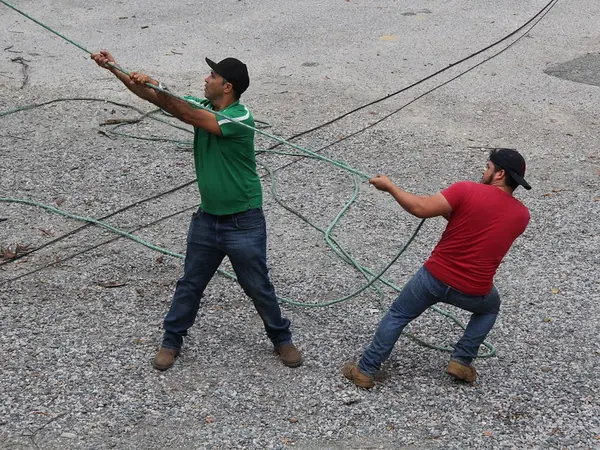
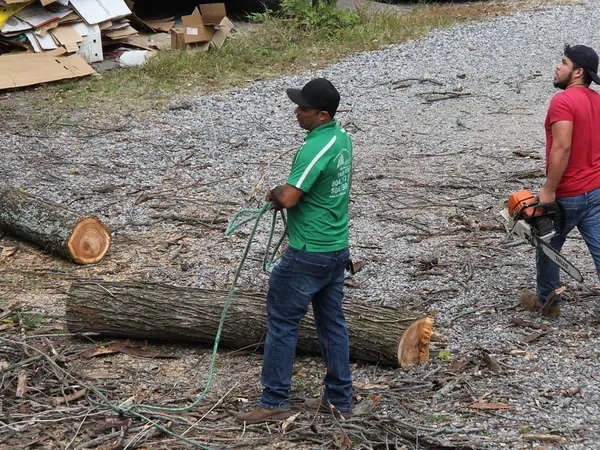
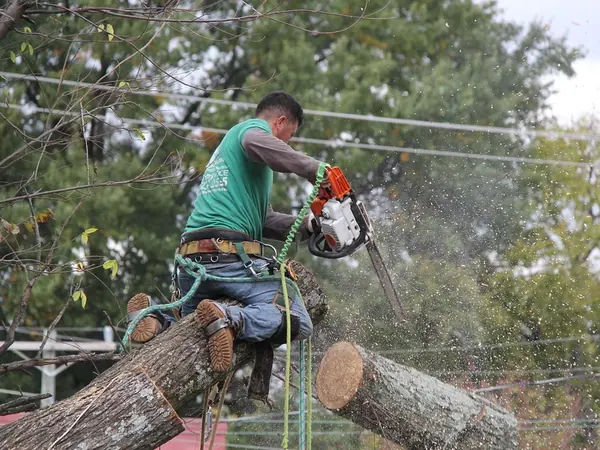
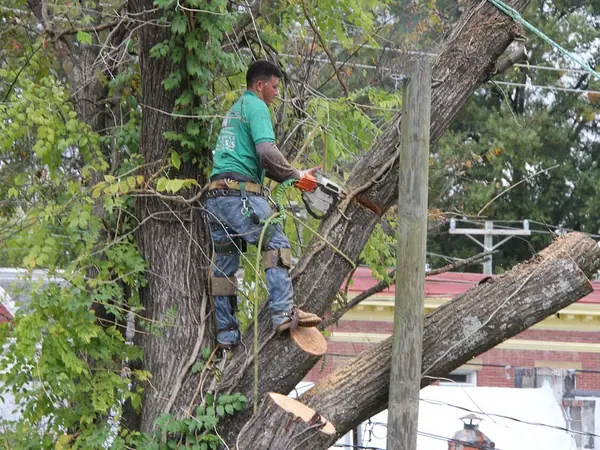
Representative photo. Check the retailer listing for the exact model, color and size.
Photo: 100127-F-9898L-026 by expertinfantry, CC BY 2.0
A friction lowering device for light rigging loads up to 120 kg.
This rigging rope wrench is a friction device for controlling light rigging loads, rated up to 120 kg. It adds adjustable friction to the rigging line so a climber or ground worker can let limbs and small wood down smoothly without a full-size lowering device.
Not every rigging job needs a big Port-A-Wrap at the base of the tree. When you are lowering small limbs over a roof, pruning deadwood with a rope, or taking down a small ornamental, a compact friction device gives you control without the bulk. The 120 kg limit makes the boundary clear: this is for small, light pieces.
Remember that a falling piece can generate a force much higher than its weight. Keep pieces well under the limit, drop them short, and let the rope run a little on the catch. Use rope within the diameter range the maker lists, and follow their instructions for setup.
A small device like this is also handy as a backup in the truck, so a crew can run two light rigging lines at once on a pruning job. That lets one ground worker lower while another resets the second line and clears brush from the drop zone.
Before each use, check for rope grooves, cracks, and sharp edges, and look over the attachment points. See full-size lowering devices in our lowering devices section.
Rigging forces are dynamic and can be several times the weight of the piece. Follow the manufacturer's ratings and ANSI Z133, inspect every component before the job, and keep rigging work to trained crews.
| Load limit | 120 kg (about 265 lb) |
|---|---|
| Type | Friction lowering device |
| Use | Light rigging |
Specs are from the manufacturer's published figures where available. Confirm against the product listing before you buy.
It is the stated maximum load for the device. Dynamic forces from a falling piece can exceed its weight, so keep pieces well under the limit.
No. Use only climbing devices that are rated and sold for life support.
Pairs well with
Jail Brake
Tree-mounted friction device for controlled lowering on rigging jobs.
Buckingham
A medium friction lowering device for controlled lowering on everyday removals.
Good Rigging
A trunk-mounted lowering device and winch in one, for crews that rig big wood.
Hobbs
A trunk-mounted friction lowering device built for heavy rigging control.
Buckingham
The large friction lowering device for bigger rigging lines and heavy wood.
CMI
Friction device that helps the ground crew control loads on a rigging line.
Buckingham
A compact Port-A-Wrap for lowering light limbs and small wood.
Stein
A trunk-mounted Stein rigging winch for controlled lowering and lifting.
Rigging Rope Wrench (120 kg)$129