Jail Brake
Jail Brake Lowering Device
Tree-mounted friction device for controlled lowering on rigging jobs.
Typical $349
 Lowering Devices
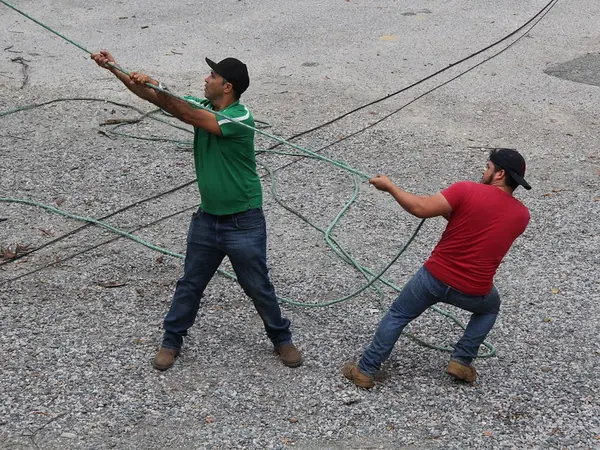
Representative photo. Check the retailer listing for the exact model, color and size.
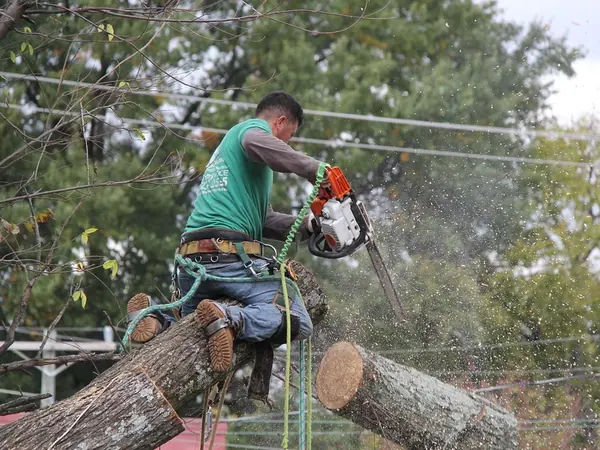
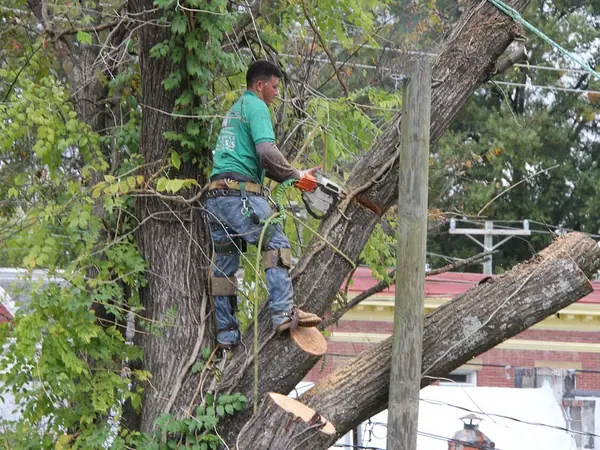
Photo: Arborist Cutting by matt.boman, CC BY 2.0
A trunk-mounted lowering device for controlled rigging on removals.
The Stein RC2001 lowering bollard is a friction device that mounts to the base of the tree to control the rigging line while lowering wood. Wrapping the line around the bollard gives the ground crew controlled friction to catch and lower pieces.
A lowering bollard is a drum fixed to the trunk. The rigging line wraps around it, and the number of wraps sets the friction. The ground crew controls the line, letting it run to lower pieces or locking it off to catch them.
Mounting it to the tree takes the load off the ground worker and puts it into the trunk. Compare with other lowering devices.
Stein is a UK maker of arborist climbing and rigging gear. Bollards like the RC2001 are a common choice for crews who want a dedicated lowering device rather than wrapping the line around the trunk itself.
Mount the bollard firmly following the manufacturer's instructions, and use the number of wraps that suits the load and the line. Keep hands clear of the drum while the line is running.
Rig only within the rated strength of every component in the system, inspect gear before each job, and make sure the crew is trained in rigging practice under ANSI Z133 and the manufacturer's instructions.
Check the bollard, frame, and mounting straps or chains before each job for cracks, wear, or damage. A worn drum can grab or slip unexpectedly. Plan the rigging before the first cut, make sure the ground crew knows the load and the plan, and agree on clear calls between climber and groundie.
| Brand | Stein |
|---|---|
| Model | RC2001 |
| Type | Lowering bollard |
Specs are from the manufacturer's published figures where available. Confirm against the product listing before you buy.
It depends on the load and the rope. Follow the manufacturer's guidance and adjust for the piece.
It needs a sound trunk that can take the load. Check the manufacturer's instructions for mounting.
Pairs well with
Jail Brake
Tree-mounted friction device for controlled lowering on rigging jobs.
Buckingham
A medium friction lowering device for controlled lowering on everyday removals.
Good Rigging
A trunk-mounted lowering device and winch in one, for crews that rig big wood.
Hobbs
A trunk-mounted friction lowering device built for heavy rigging control.
Buckingham
The large friction lowering device for bigger rigging lines and heavy wood.
CMI
Friction device that helps the ground crew control loads on a rigging line.
Buckingham
A compact Port-A-Wrap for lowering light limbs and small wood.
Gap Arborist Supply
A friction lowering device for light rigging loads up to 120 kg.
Stein RC2001 Lowering Bollard$499