Petzl
Petzl Sequoia Climbing Harness
A supportive tree care harness with a sliding bridge for all-day comfort.
Typical $420
 European Saddles
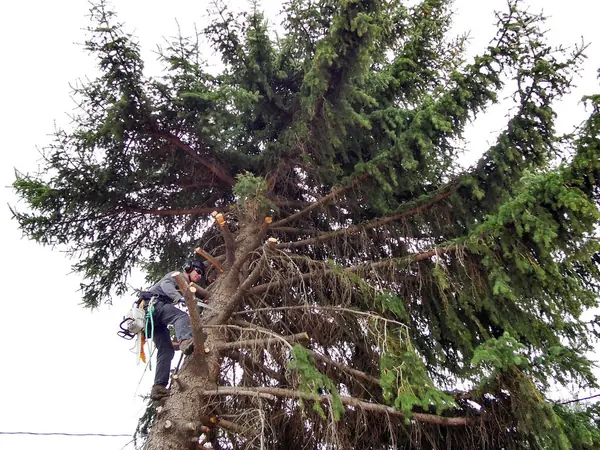
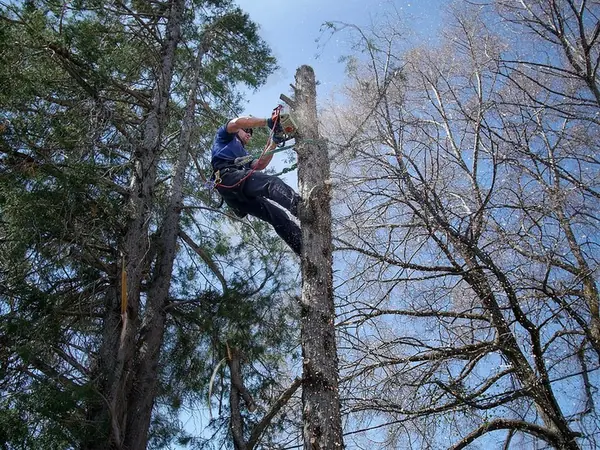
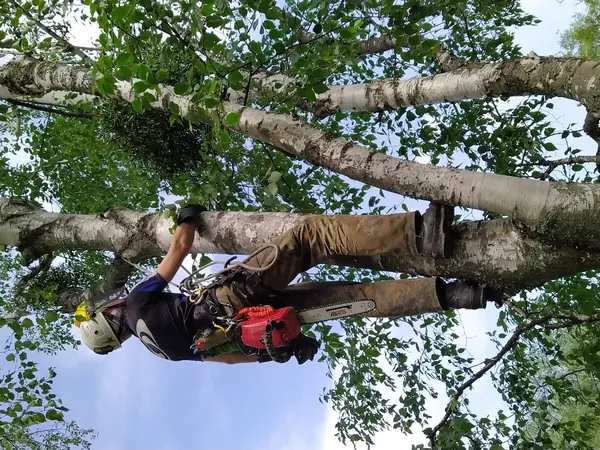
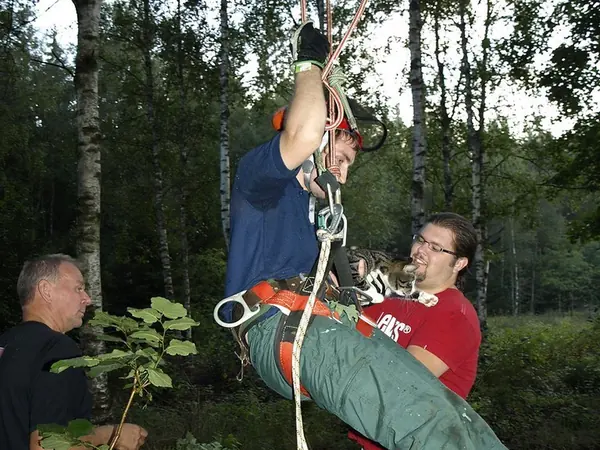
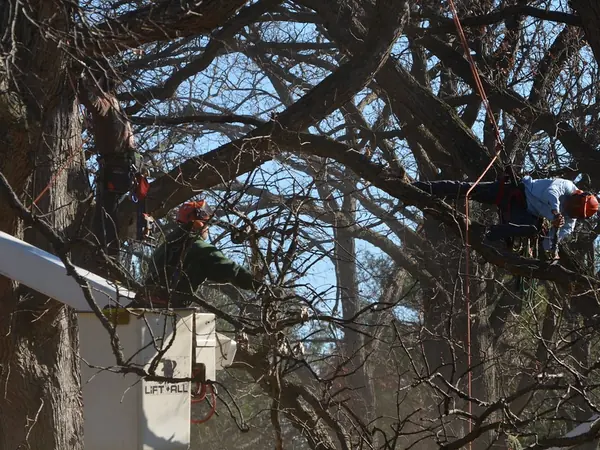
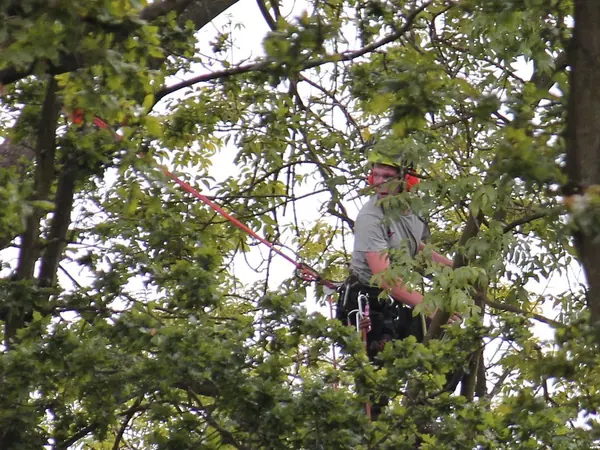
Representative photo. Check the retailer listing for the exact model, color and size.
Photo: Tree Surgeon by Tim Sheerman-Chase, CC BY 2.0
A European-style bridge saddle from CAMP for full-day tree work.
The CAMP Tree Access Evo is a European-style arborist climbing saddle built around a bridge attachment. It is made for climbers who spend long hours in the tree and want a saddle that moves well and supports them in a working position.
A bridge lets your climbing system slide side to side as you turn, so you can face your work without twisting against the tie-in. That freedom, plus a well-padded waist and leg loops, is why many production climbers favor European-style saddles for long days in the canopy.
The Tree Access Evo is CAMP's take on that design, with attachment points for lanyards, chainsaws and tools.
Comfort matters for safety as well as productivity. A saddle that pinches or digs in tires you faster, and a tired climber makes more mistakes. When choosing a saddle, think about how you climb: mostly SRS or MRS, spurs or no spurs, and what tools you carry. A European-style saddle like this one suits climbers who move around the canopy a lot and value freedom of movement.
Get the size right. The saddle should sit snug at the waist with the leg loops adjusted so you hang comfortably without pressure points. Hang-test in it before climbing.
Inspect the bridge, stitching, webbing and buckles before each use, and replace the bridge and other wear parts as CAMP directs. Life-support gear must meet the applicable standard, be used per the manufacturer's instructions and ANSI Z133, and be inspected before every climb. Get trained before using it aloft.
| Type | Arborist climbing saddle |
|---|---|
| Style | European, bridge attachment |
| Brand | CAMP |
Specs are from the manufacturer's published figures where available. Confirm against the product listing before you buy.
Bridges are wear items. Use CAMP's replacement parts and follow its instructions and retirement guidance.
Bridge saddles suit both MRS and SRS. Pair it with a chest harness if your SRS setup calls for one.
Pairs well with
Petzl
A supportive tree care harness with a sliding bridge for all-day comfort.
Teufelberger
A semi-rigid, highly adjustable saddle for climbers who want support and options.
DMM
DMM's Kinisi arborist saddle, built for climbers who spend all day in the tree.
Edelrid
A European arborist saddle with a replaceable rope bridge and supportive waist belt.
Husqvarna
An arborist climbing saddle from Husqvarna's tree care range.
Petzl
A Petzl tree climbing saddle with shoulder straps for single-rope technique.
Catalyst
A European-style bridge saddle for climbers who spend long days on rope.
DMM
DMM's pro-level bridge saddle for climbers who want light weight and free movement.
CAMP Tree Access Evo$430