Buckingham
Buckingham Agility Saddle
A Buckingham climbing saddle aimed at climbers who value freedom of movement.
Typical $380
 Saddles & Harnesses
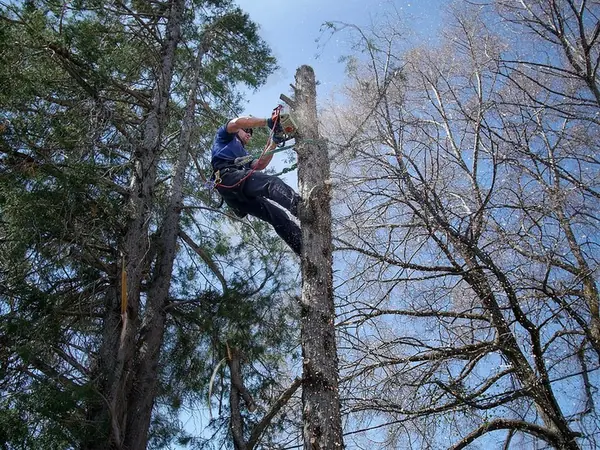
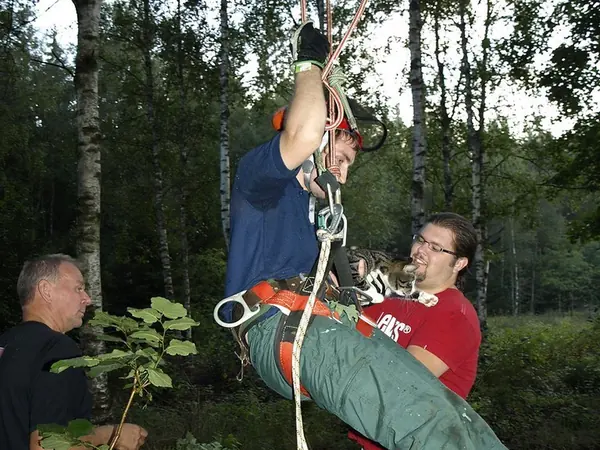
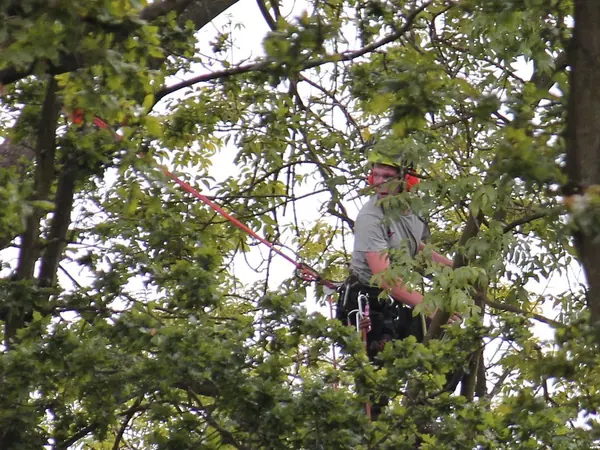
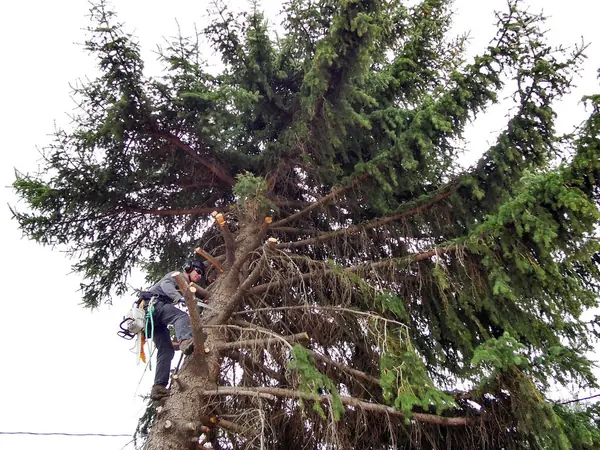
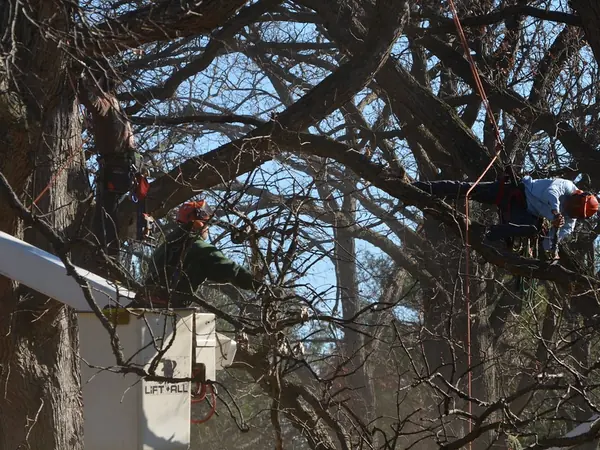
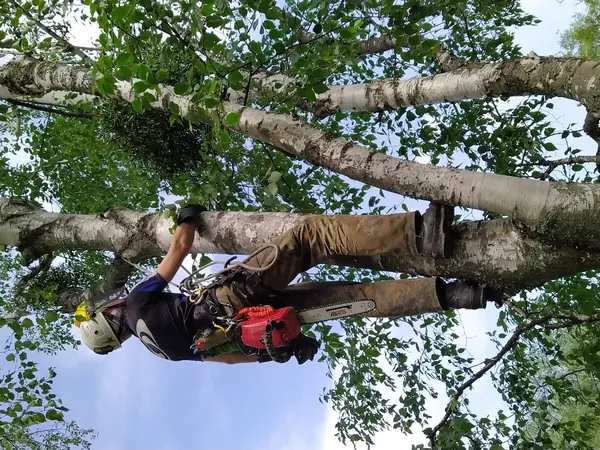
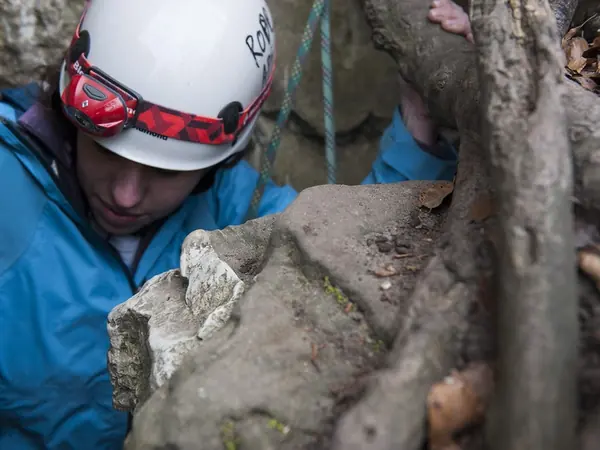
Representative photo. Check the retailer listing for the exact model, color and size.
Photo: 160320-F-QP401-181 by DoD News Photos, Public domain
A Weaver climbing saddle built for everyday tree work.
The Weaver WLC-530 climbing saddle is one of Weaver Leather's tree climbing saddles, built for working climbers who want a padded, durable saddle for daily pruning and removals. Check the current Weaver spec sheet for exact sizing and attachment details before you buy.
Weaver's WLC saddles cover a range from basic to fully featured. The WLC-530 is aimed at the climber who works aloft most days and wants a padded saddle that holds up to spurs, bark, and grit. Side D-rings take a flipline or lanyard for positioning, and the padding helps when you sit back to make cuts.
If you are choosing between models, compare attachment points, padding, and adjustability with the other options in our Weaver saddles section, and pick the one that suits how you climb.
Saddle choice is personal. Weight, padding, and where the attachment points sit all change how a saddle feels after six hours aloft. If you can, try the WLC-530 on and hang in it before committing, and think about whether you climb mostly on spurs or mostly pruning on rope.
Fit the saddle using Weaver's sizing guidance. It should be snug on the hips with the leg loops adjusted so you hang level. Use only a saddle that meets ANSI Z133 and the manufacturer's requirements, and make sure you are trained in the climbing system you plan to use.
Inspect before every climb: webbing, leather, stitching, buckles, and D-rings. Look for cuts, abrasion, heat damage, corrosion, and cracks. Retire the saddle if anything fails inspection.
| Model | WLC-530 |
|---|---|
| Type | Tree climbing saddle |
| Maker | Weaver Leather |
Specs are from the manufacturer's published figures where available. Confirm against the product listing before you buy.
Check Weaver's instructions for the approved attachment points and configurations before setting it up for any climbing system.
Webbing, leather, stitching, buckles, and D-rings. Retire the saddle if you find cuts, cracks, heat damage, or distortion.
Pairs well with
Buckingham
A Buckingham climbing saddle aimed at climbers who value freedom of movement.
Buckingham
A straightforward, supportive Buckingham saddle for working climbers.
Buckingham
A comfort-focused Buckingham saddle for climbers who log long hours aloft.
Petzl
A supportive tree care harness with a sliding bridge for all-day comfort.
Teufelberger
A semi-rigid, highly adjustable saddle for climbers who want support and options.
Edelrid
An elastic chest harness that pairs with the TreeRex saddle for efficient ascent.
Weaver
A simple Weaver chest harness that keeps your saddle and ascent gear in position.
DMM
DMM's Kinisi arborist saddle, built for climbers who spend all day in the tree.
Weaver WLC-530 Climbing Saddle$279