Buckingham
Buckingham Agility Saddle
A Buckingham climbing saddle aimed at climbers who value freedom of movement.
Typical $380
 Saddles & Harnesses
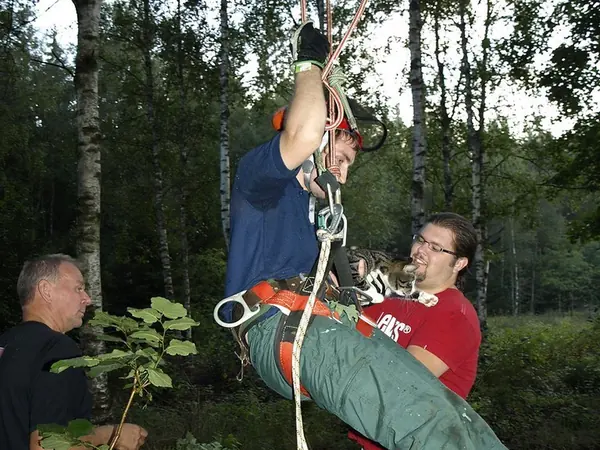
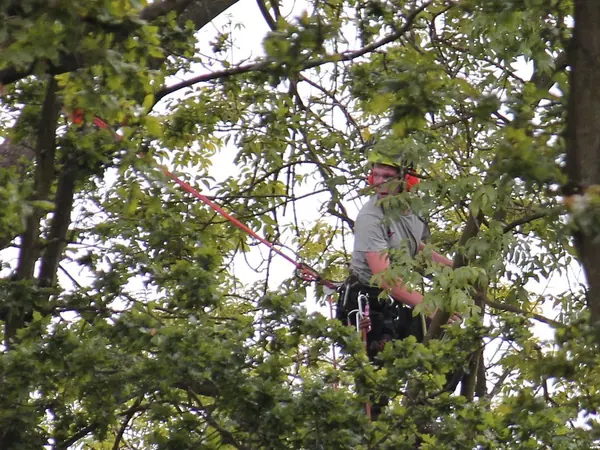
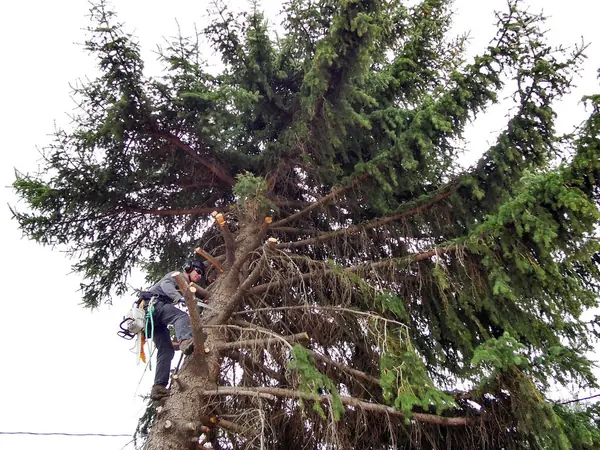
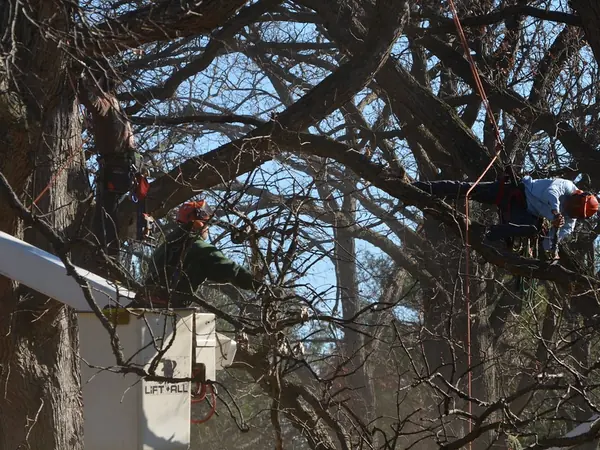
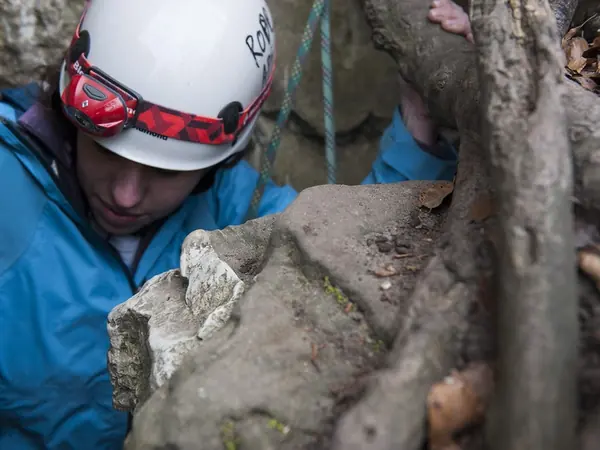
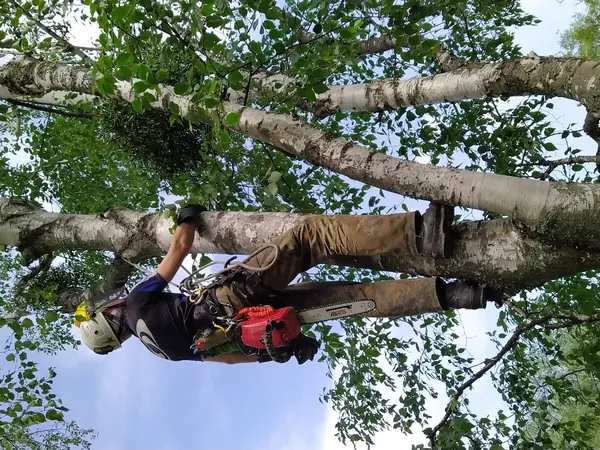
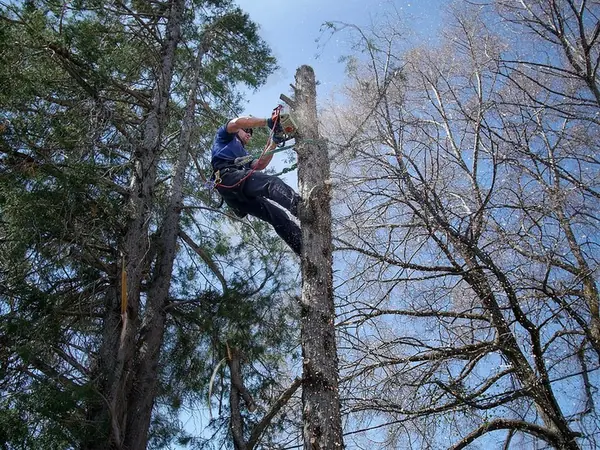
Representative photo. Check the retailer listing for the exact model, color and size.
Photo: JnpITA by Symic, CC BY 2.0
The classic Weaver Cougar saddle with a batten seat for long hours in the tree.
The Weaver Cougar saddle with batten seat pairs the traditional Cougar climbing harness with a stiffened seat that you can sit into while working. The seat spreads your weight across the back of the thighs instead of concentrating it on the leg straps.
If you spend most of the day hanging in your saddle, such as pruning large spreading trees or setting rigging, leg straps alone start to dig in. A batten seat uses a stiffened board-like section under the thighs that you can sit back into. It spreads pressure over a wider area and makes it easier to stay in position while you work with both hands.
Everything else is the familiar Cougar layout: padded back, side D-rings, and loops for tools and hardware.
Seat saddles also help when you are cabling, setting up a big rigging point, or pruning a long lead where you have to stay put. Climbers who split their time between spur removals and pruning often keep a seat saddle for the long days and a lighter saddle for quick jobs.
Fit the saddle with the clothes you climb in, then adjust so the seat sits under the thighs without riding up when you lean back. Compare it with other Weaver saddles if you want a different seat or belt style. Inspect webbing, stitching, buckles, and hardware before each climb and retire the saddle if anything is damaged.
Life-support gear must meet the applicable standard (ANSI Z133 and the manufacturer's instructions), be inspected before every climb, and be used only by trained climbers.
| Type | Tree climbing saddle with seat |
|---|---|
| Seat | Batten (stiffened) seat |
| Style | Traditional American, D-ring |
Specs are from the manufacturer's published figures where available. Confirm against the product listing before you buy.
It adds some weight and bulk, but many climbers find the comfort worth it on long days.
Yes, the D-ring layout works with a flipline. Some climbers find a seat less necessary for short removals and more useful on pruning work.
Pairs well with
Buckingham
A Buckingham climbing saddle aimed at climbers who value freedom of movement.
Buckingham
A straightforward, supportive Buckingham saddle for working climbers.
Buckingham
A comfort-focused Buckingham saddle for climbers who log long hours aloft.
Petzl
A supportive tree care harness with a sliding bridge for all-day comfort.
Teufelberger
A semi-rigid, highly adjustable saddle for climbers who want support and options.
Edelrid
An elastic chest harness that pairs with the TreeRex saddle for efficient ascent.
Weaver
A simple Weaver chest harness that keeps your saddle and ascent gear in position.
DMM
DMM's Kinisi arborist saddle, built for climbers who spend all day in the tree.
Weaver Cougar Saddle with Batten Seat$300