Buckingham
Buckingham Agility Saddle
A Buckingham climbing saddle aimed at climbers who value freedom of movement.
Typical $380
 Saddles & Harnesses
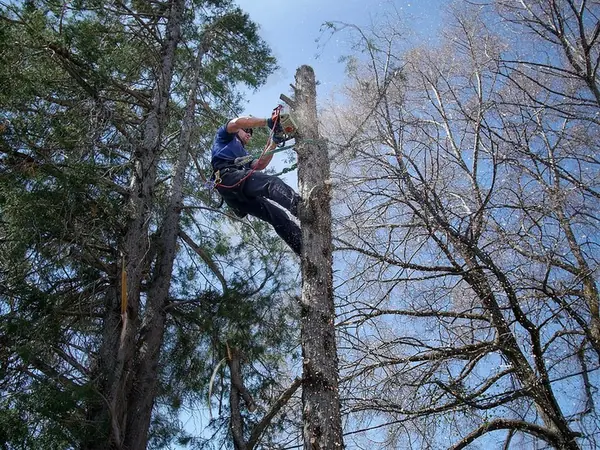
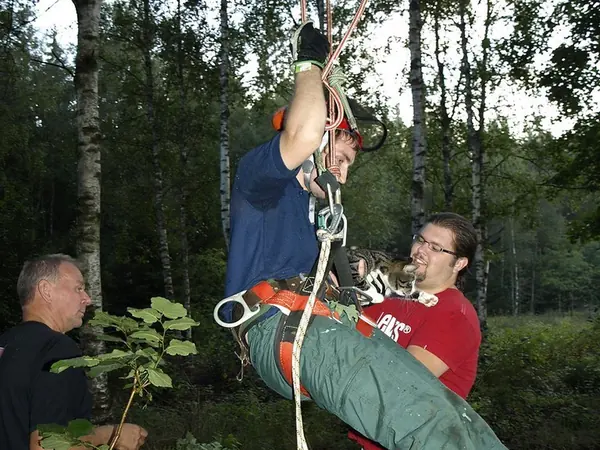
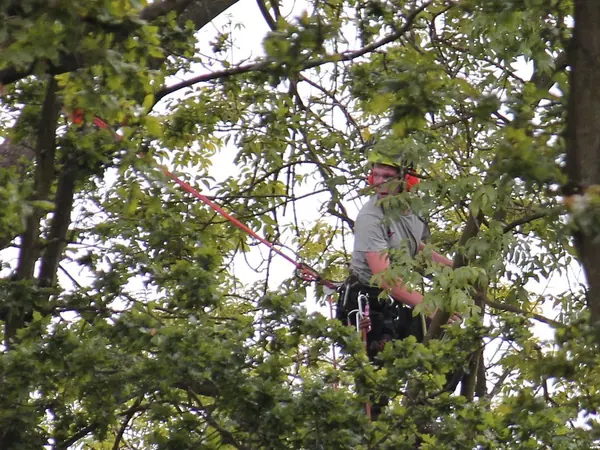
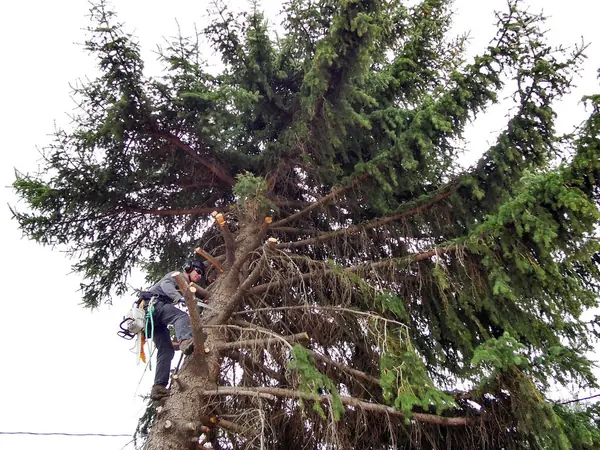
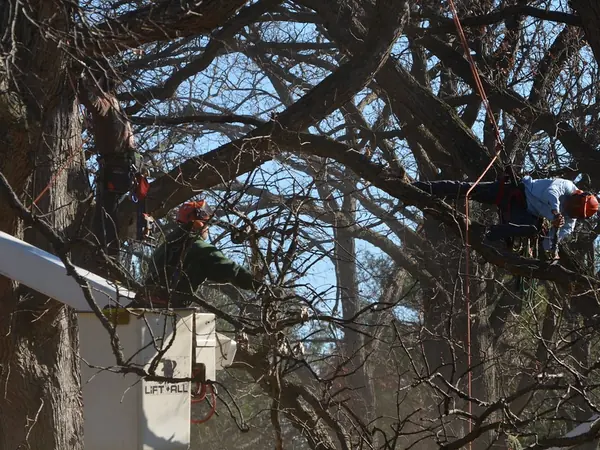
Representative photo. Check the retailer listing for the exact model, color and size.
Photo: DSC_0054 by BCRP, CC BY 2.0
A traditional wide-back climbing saddle for climbers who want simple, solid support.
The Weaver Wideback saddle is a traditional American-style tree climbing saddle with a wide back section that spreads your weight when you sit back in the work position. It suits climbers who like a straightforward, durable saddle without a lot of adjustment.
Many climbers learned on a saddle like this one: a wide padded back, a front attachment, and D-rings on each side for a flipline. When you lean back to make a cut or hold position on a spar, the wide back carries the load across your lower back instead of a narrow strap.
It is a sensible choice for crews that want a no-nonsense saddle for removals, spur work, and general climbing. Compare it with Weaver's other models in our Weaver saddles section.
The trade-off for that simplicity is less adjustability than some modern European-style saddles, and fewer attachment points for SRS setups. If most of your work is spur removals and traditional doubled-rope climbing, that may not matter. If you climb SRS every day, compare the options before you buy.
Size and fit the saddle following Weaver's chart and instructions. It should sit snug on your hips without riding up, and the leg straps should not pinch. Climb only in a saddle that meets ANSI Z133 and the manufacturer's requirements, and get proper training before using any climbing system.
Inspect the saddle before each climb. Check the webbing and leather for cuts and wear, the stitching at every load point, and the D-rings and buckles for cracks, corrosion, or distortion. Retire it if anything is in doubt.
| Type | Tree climbing saddle |
|---|---|
| Style | Wide back, traditional layout |
| Attachment | Side D-rings |
Specs are from the manufacturer's published figures where available. Confirm against the product listing before you buy.
Yes. The wide back and side D-rings make it comfortable for leaning into a flipline on removals.
Use Weaver's size chart, measured over the clothes you climb in, and try it on if you can.
Pairs well with
Buckingham
A Buckingham climbing saddle aimed at climbers who value freedom of movement.
Buckingham
A straightforward, supportive Buckingham saddle for working climbers.
Buckingham
A comfort-focused Buckingham saddle for climbers who log long hours aloft.
Petzl
A supportive tree care harness with a sliding bridge for all-day comfort.
Teufelberger
A semi-rigid, highly adjustable saddle for climbers who want support and options.
Edelrid
An elastic chest harness that pairs with the TreeRex saddle for efficient ascent.
Weaver
A simple Weaver chest harness that keeps your saddle and ascent gear in position.
DMM
DMM's Kinisi arborist saddle, built for climbers who spend all day in the tree.
Weaver Wideback Saddle$189