Buckingham
Buckingham Agility Saddle
A Buckingham climbing saddle aimed at climbers who value freedom of movement.
Typical $380
 Saddles & Harnesses
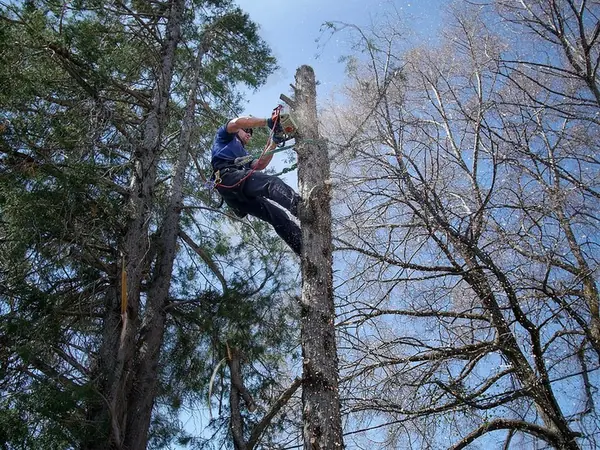
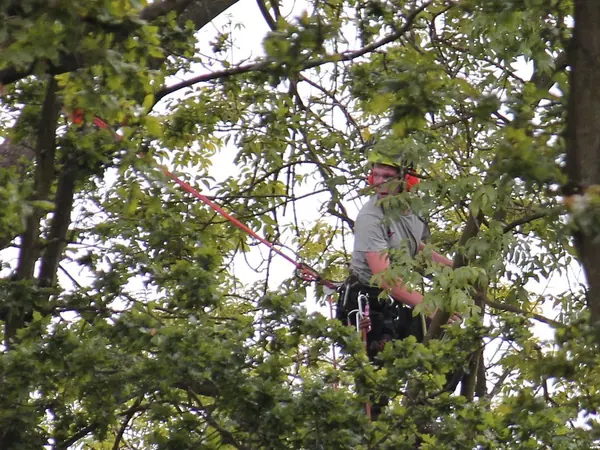
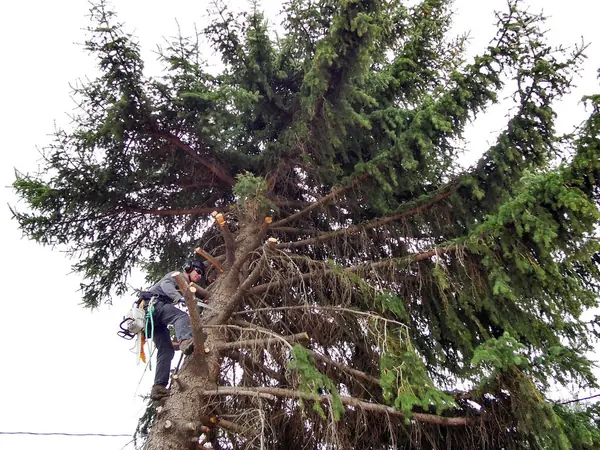
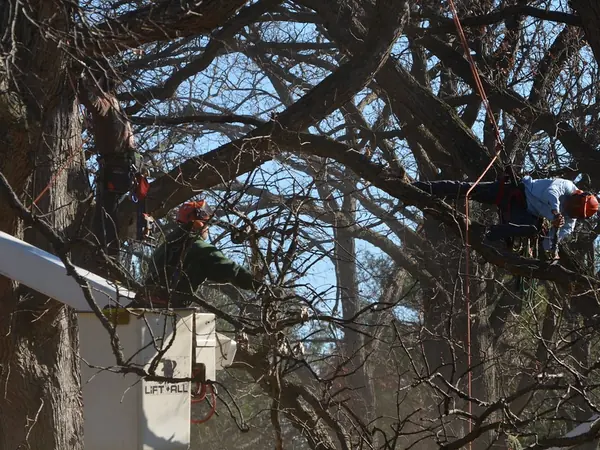
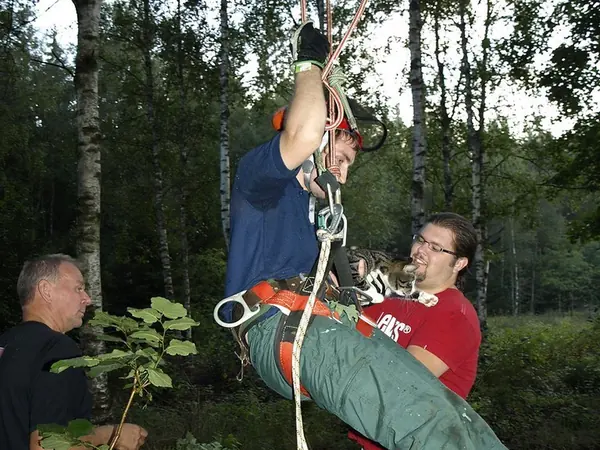
Representative photo. Check the retailer listing for the exact model, color and size.
Photo: Saving Tyr 6 by ToobyDoo, CC BY 2.0
A Weaver climbing saddle with a supportive batten seat for long work positioning.
The Weaver WCL 390 saddle is a Weaver climbing saddle with a batten seat, built for climbers who spend a lot of time sitting in the harness. The stiffened seat supports the thighs and takes pressure off the leg straps during long pruning or rigging jobs.
A batten seat is a stiffened panel that sits under your thighs. When you lean back to make a cut or set a rigging point, you sit into the seat instead of hanging on two narrow leg straps. Over a long day that difference shows up in your legs and lower back.
The WCL 390 keeps the familiar Weaver layout with side D-rings for your flipline and climbing system, and loops around the belt for carrying a handsaw, slings, and carabiners.
Seat saddles shine on cabling and bracing jobs, crown cleaning, and rigging work where you stay in one spot for a long time. On short removal climbs the seat matters less, but many climbers still like having it.
Measure your waist in the clothes you climb in and check Weaver's sizing chart. Adjust so the seat sits under the thighs and the belt rides at the hips. Compare it with the other Weaver saddles to find the belt and seat style you like.
Inspect webbing, stitching, buckles, and D-rings before every climb, and retire the saddle if you find cuts, heavy wear, or damaged hardware. Life-support gear must meet the applicable standard (ANSI Z133 and the manufacturer's instructions), be inspected before every climb, and be used only by trained climbers.
| Type | Tree climbing saddle with seat |
|---|---|
| Model | WCL 390 |
| Seat | Batten (stiffened) seat |
Specs are from the manufacturer's published figures where available. Confirm against the product listing before you buy.
Both are Weaver saddles with batten seats. Compare belt construction, padding, and attachment layout in Weaver's specs to pick the one that fits your work.
Climbers who spend long periods sitting in the harness, such as on pruning, cabling, or rigging work.
Pairs well with
Buckingham
A Buckingham climbing saddle aimed at climbers who value freedom of movement.
Buckingham
A straightforward, supportive Buckingham saddle for working climbers.
Buckingham
A comfort-focused Buckingham saddle for climbers who log long hours aloft.
Petzl
A supportive tree care harness with a sliding bridge for all-day comfort.
Teufelberger
A semi-rigid, highly adjustable saddle for climbers who want support and options.
Edelrid
An elastic chest harness that pairs with the TreeRex saddle for efficient ascent.
Weaver
A simple Weaver chest harness that keeps your saddle and ascent gear in position.
DMM
DMM's Kinisi arborist saddle, built for climbers who spend all day in the tree.
Weaver WCL 390 Saddle with Batten Seat$300