Gap Arborist Supply
Helmet Ear Muff
Clip-on ear muffs for slotted helmets, for saw, chipper and grinder work.
Typical $32
 Hearing Protection
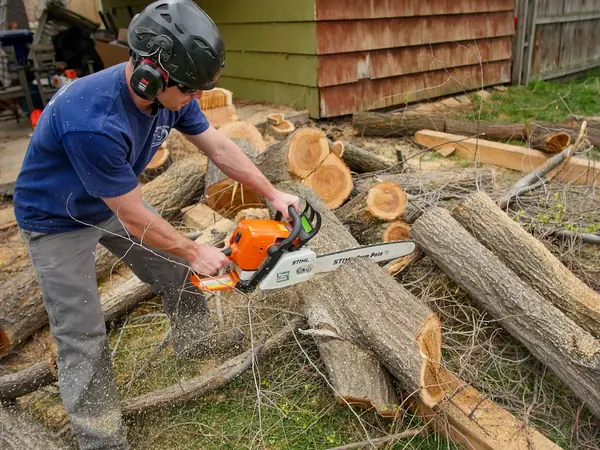
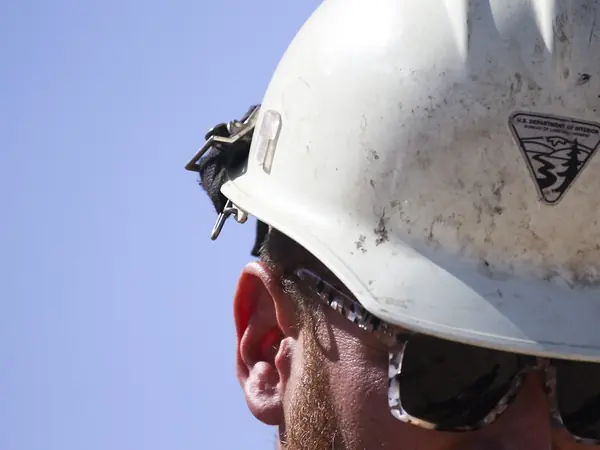
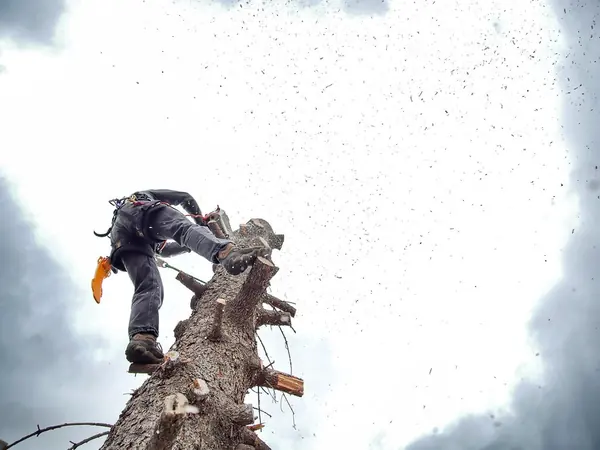
Representative photo. Check the retailer listing for the exact model, color and size.
Photo: 3rd Regiment, Basic Camp, FHCC CST 2021 by U.S. Army ROTC, Public domain
Non-vented Class E, Type 2 helmet for line clearance and general tree crew work.
The LAND Safety Frontier is a Class E Type 2 helmet, the combination many tree crews need for line clearance and ground work. Class E refers to electrical protection, and Type 2 means the helmet is designed for both top and lateral impact.
In ANSI Z89.1 terms, Class E helmets are tested for electrical protection, and Type 2 helmets protect against impact to the top and sides of the head. For tree work that is a strong pairing: a limb that glances off the side of your head is just as common as one that drops straight down. Crews doing line clearance or working from a bucket near conductors often specify Class E.
Look at the label inside the shell to confirm the exact ratings of the helmet you receive.
A non-vented shell is also a good choice for ground crews feeding the chipper or running a saw on the deck, where falling debris and wet weather are a bigger concern than airflow.
Set the suspension so the helmet sits level and snug, then add a chin strap if you will be climbing or working at height. Keep paint, stickers and solvents off the shell unless the maker approves them. Any helmet used for tree work should meet the standard your employer and ANSI Z133 require, be worn as the manufacturer instructs, and be replaced after a hard impact or when the shell or suspension shows damage.
Compare it with other options in our helmets and hearing protection section.
| Class | E (electrical) |
|---|---|
| Impact type | Type 2 |
| Shell | Non-vented |
Specs are from the manufacturer's published figures where available. Confirm against the product listing before you buy.
Class E is the electrical class in ANSI Z89.1, and Type 2 means the helmet is designed for top and lateral impact. Check the label for the ratings.
Many climbers do, provided it has a chin strap that keeps it secure. Follow your employer's rules and the manufacturer's instructions.
Pairs well with
Gap Arborist Supply
Clip-on ear muffs for slotted helmets, for saw, chipper and grinder work.
Husqvarna
Replacement cushions and foam inserts that bring tired Husqvarna muffs back to spec.
3M
Slot-mount Peltor muffs for crews who live under a helmet all day.
3M
Over-the-head hearing protection from 3M Peltor for ground crews.
Husqvarna
Helmet-mounted hearing protection from Husqvarna for saw operators.
LAND
Vented climbing-style helmet for climbers who want airflow on hot days aloft.
LIFT Safety
Fresh comfort pads for the LIFT Radix helmet when the old ones are flat or worn.
LIFT Safety
Replacement suspension for the LIFT Radix when the harness is worn or damaged.
LAND Safety Frontier Class E Type 2 Helmet$75