BloodStopper
BloodStopper Gauze Kit
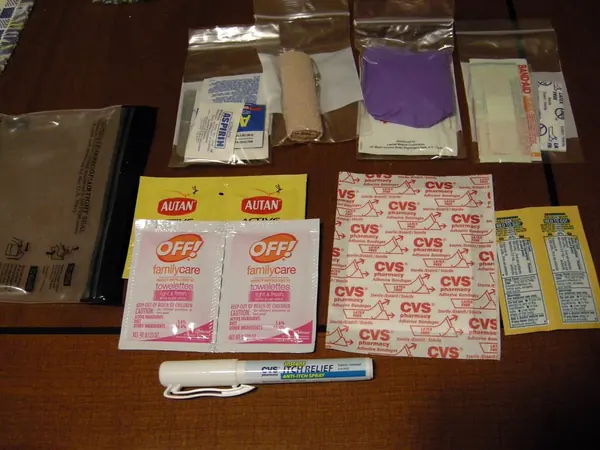
A compress bandage for putting fast pressure on a bleeding wound.
Typical $8
 First Aid
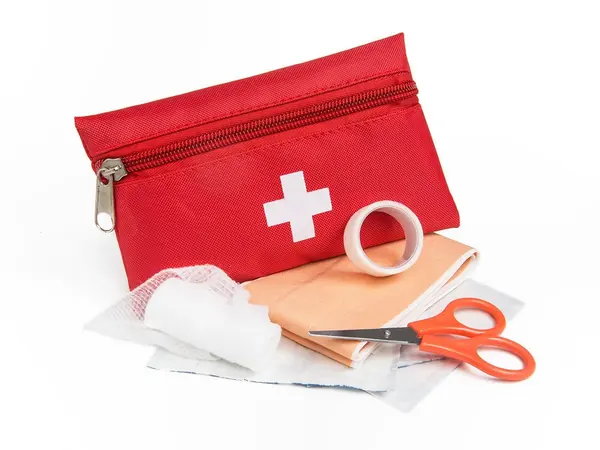
Representative photo. Check the retailer listing for the exact model, color and size.
Photo: block and tackle by Joelk75, CC BY 2.0
A compact, ready-to-use pulley haul kit for rescue and tensioning.
The Petzl JAG System is a compact, ready-to-use pulley haul kit that gives you mechanical advantage for lifting, tensioning and rescue without building a system from scratch. Crews keep one in the rescue kit for fast setup when time counts.
In an aerial rescue, a rescuer may need to lift a casualty a short distance to release their tie-in before lowering. A pre-built haul kit like the JAG System makes that lift faster and easier than building a pulley system on the spot.
Crews also use it for tensioning lines and pulling small loads where a portable mechanical advantage helps.
Because it comes pre-rigged, there are fewer steps to remember under stress. That matters in an aerial rescue, where the rescuer may be working alone at height while the ground team manages the scene and calls for help.
A haul kit is one part of a rescue plan. Crews still need a second climbing system on site, an agreed plan for who climbs, and practice getting a casualty down.
A haul kit is only useful if you know how to rig it. Train with it before an emergency, ideally with a qualified instructor and a rescue dummy. Follow Petzl's instructions for use and rated loads. Life-support gear has to meet the applicable standard (ANSI Z133 and the manufacturer's instructions), be inspected before every use, and be used by trained climbers.
Inspect the pulleys, rope and connectors before each use and retire anything damaged.
Store it in a dedicated, labeled bag with the rest of your rescue gear so it is not borrowed for routine rigging and left damaged.
| Type | Pulley haul kit |
|---|---|
| Brand | Petzl |
Specs are from the manufacturer's published figures where available. Confirm against the product listing before you buy.
It is a compact pulley haul kit for lifting, tensioning and rescue, ready to clip in and use.
Yes. Rescue hauling is a skill. Train with it under a qualified instructor before relying on it.
Pairs well with
BloodStopper
A compress bandage for putting fast pressure on a bleeding wound.
WoundSeal
A powder that seals minor cuts and nicks fast on the job.
Buckingham
Wearable bleeding control kit for chainsaw and climbing crews.
Weaver
Bright orange pouch for keeping first aid supplies on your saddle or belt.
Gap Arborist Supply
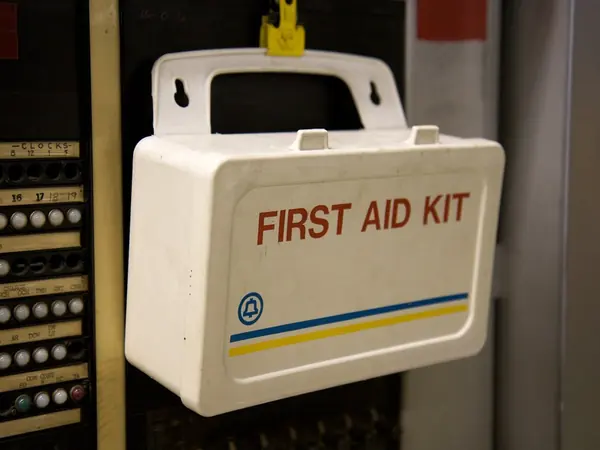
A jobsite first aid kit for the truck, chipper or gear bag.
Petzl
A preassembled pulley haul kit for rescue and mechanical advantage.
Petzl JAG System$290