Wonder Grip
Wonder Grip Gloves
Thin, grippy coated gloves that let you feel your hitch and hardware.
Typical $6
 Gloves
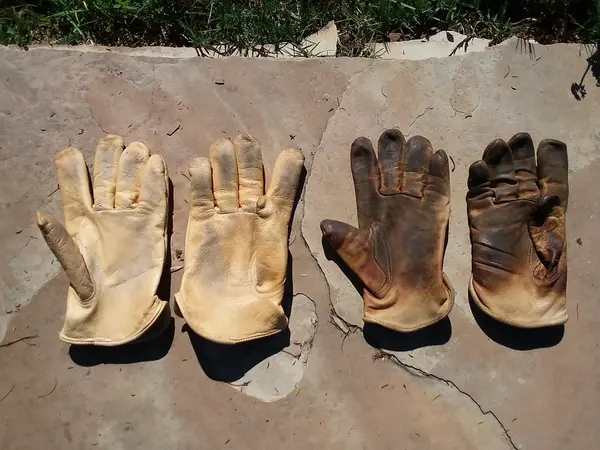
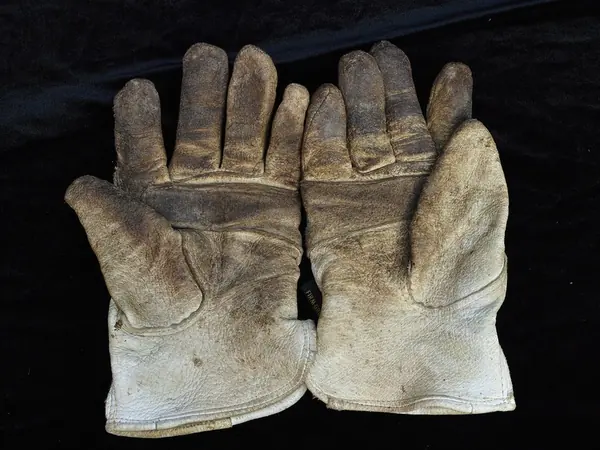
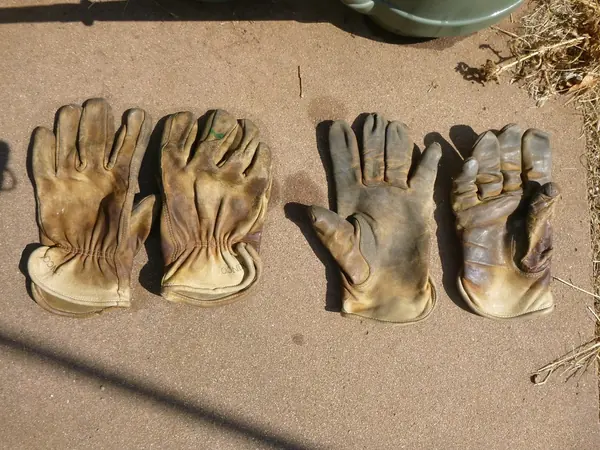
Representative photo. Check the retailer listing for the exact model, color and size.
Photo: leather work gloves composite P1010224 copy by el cajon yacht club, CC BY 2.0
Dexterous work gloves for saw work, felling and bucking.
The Technical line of Husqvarna chainsaw gloves is built for people who run a saw all day and still want enough feel to work the controls, file chain and handle wedges. They sit in a good middle ground between thin climbing gloves and heavy rigging gloves.
If you are on the ground felling, bucking and limbing most of the day, you want gloves that grip the saw handles firmly, take vibration and still let you feel the throttle and chain brake. Husqvarna gloves in the Technical line are made for exactly that kind of work.
They are also handy for climbers who run a top-handle saw and want more protection than a thin climbing glove without losing too much feel.
Ground crews also like them for handling wedges, felling levers and log tongs, where a solid grip and a reinforced palm make a difference over a full day of bucking.
Some Husqvarna chainsaw gloves include cut-protective material on the back of the left hand, which is the hand most exposed to the chain if you get a kickback. Others are general work gloves. Check the label of the exact version you buy to see whether it has saw protection and what standard it meets.
Either way, gloves are the last line of defense. A sharp chain, a working chain brake, proper body position and good technique matter more.
Remember that most chainsaw injuries to the hands come from kickback and from touching the chain while the engine is idling or coasting. Keep the chain brake engaged when walking with the saw, and never reach for the bar or chain with the engine running, gloves or not.
A glove that is too big lets your hand slide around and reduces control; one that is too tight tires your hands and wears fast. Measure around your palm and check Husqvarna's size chart. Try them on with the saw you use most, especially if you run a top-handle saw aloft.
Keep a spare pair in the truck. Wet gloves are cold, slippery and wear out faster.
Vibration is part of saw work, and gloves that fit well help you hold the saw with a relaxed grip instead of a death grip, which is easier on your hands over a long season.
Knock off sawdust and let them air dry away from direct heat, which can stiffen leather and synthetic palms. Retire them when the palm wears through, seams open or any cut-protective layer is damaged. Pair them with chainsaw protective pants or chaps and the rest of your PPE every time you run a saw.
If you climb in them, check that the gloves do not catch in your hitch or hardware. Some climbers keep a thinner pair for climbing and switch to the Technical gloves for saw work on the ground.
| Brand | Husqvarna |
|---|---|
| Type | Work gloves for chainsaw use |
| Saw protection | Varies by version; check the label |
| Sizes | Multiple sizes; check listing |
| Palm | Reinforced |
Specs are from the manufacturer's published figures where available. Confirm against the product listing before you buy.
It depends on the version. Some include saw protection on the left hand; others are general work gloves. Check the label.
Measure around your palm and use Husqvarna's size chart. Aim for a snug fit without pinching.
Many climbers do, especially when running a saw aloft. Make sure you still have good feel for your hitch and hardware.
Air dry them away from direct heat. High heat can stiffen and crack the palms.
Pairs well with
Wonder Grip
Thin, grippy coated gloves that let you feel your hitch and hardware.
Husqvarna
Chainsaw gloves with saw protection on the left hand and good dexterity.
Petzl
A full-body rope access harness with an integrated chest ascender and FAST buckles.
Gap Arborist Supply
Clip-on ear muffs for slotted helmets, for saw, chipper and grinder work.
3M
Hearing protection with a built-in FRS radio for climber-to-ground talk.
Sena
A Bluetooth intercom with Mesh for hands-free climber and ground crew talk.
Sena
Helmet-integrated communication for crews who want hands-free talk.
ERB Safety
Light, low-cost camo safety glasses for everyday tree work.
Husqvarna Technical Gloves$40