Husqvarna
Husqvarna Technical Gloves
Dexterous work gloves for saw work, felling and bucking.
Typical $40
 Gloves
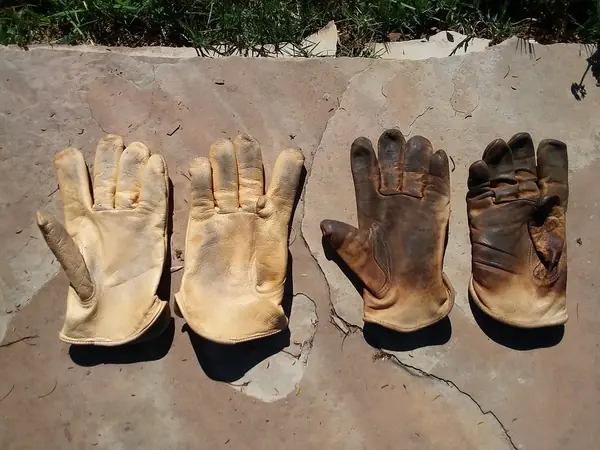
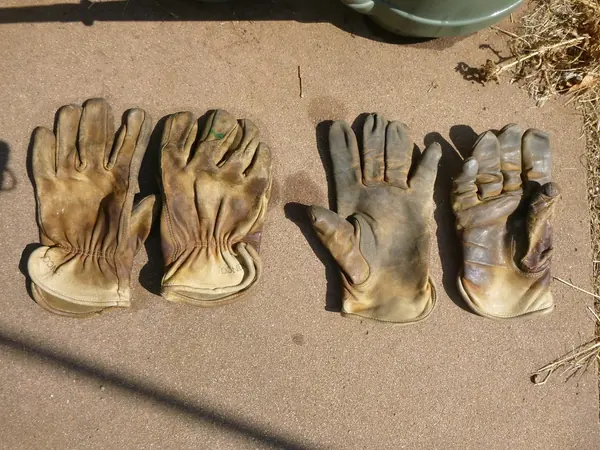
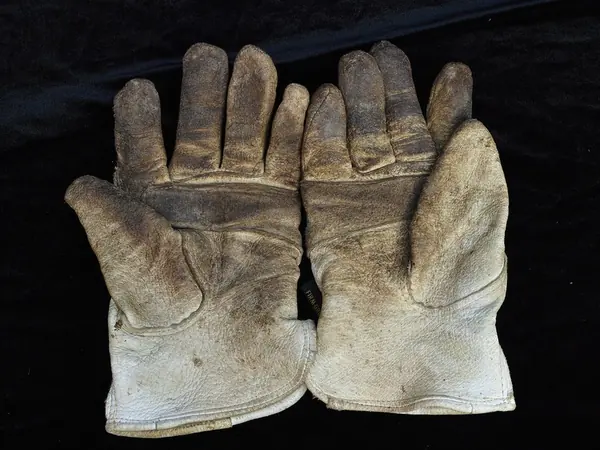
Representative photo. Check the retailer listing for the exact model, color and size.
Photo: SDIM1773 Carl's Leather Work Gloves by carlfbagge, CC BY 2.0
Thin, grippy coated gloves that let you feel your hitch and hardware.
Wonder Grip gloves are thin, coated work gloves that give strong grip and close fit, so climbers can feel their hitch, clip carabiners and tie knots without taking them off. They are cheap enough to buy by the dozen and swap out as they wear.
Climbing calls for a lot of fine work: tending a hitch, tying knots, opening gates and threading a throw line. Heavy gloves make that clumsy. Wonder gloves have a thin knit liner and a grippy coating on the palm and fingers, so you keep most of your feel and still protect your hands from bark and rope.
They are also popular with ground crews for rigging, handling brush and loading the chipper, where grip on rope and wet wood matters.
Wonder Grip gloves come in several versions with different coatings and liners. A basic nitrile-style coating suits most dry work, while some versions are designed for better grip in wet or oily conditions. Check the listing to choose the one that fits your work.
Thin coated gloves are not cut-resistant and offer no saw protection. For running a saw on the ground, use gloves suited to that task, such as Husqvarna Technical gloves. For heavy rigging with fast-running rope, a thicker glove can save your palms from friction burns.
Coatings also wear through faster than leather. That is the trade for dexterity, and at this price most crews just treat them as consumables.
They are also not insulated, so on cold mornings some climbers wear a thin liner underneath or switch to a warmer glove until things heat up.
Around the chipper, avoid any glove with loose cuffs or worn, ragged fingers that could catch on brush being pulled into the infeed. A snug glove in good condition is safer than a worn one.
A snug fit is the whole point. Too loose and the fingertips bunch up when you tie knots. Too tight and they tear at the seams. Check the size chart and keep a couple of sizes on hand if you buy for a crew.
Some versions are sold with longer cuffs or different coatings. Pick the coating that suits your conditions, and keep spares in the truck for wet days.
If you climb most days, many climbers find two pairs per day works well: one for the morning and a dry pair for the afternoon. Grip is noticeably better when the gloves are dry.
Rinse off sap and dirt, and let them air dry. Throw them out when the coating wears through at the fingertips or the seams split, because worn coatings lose grip quickly.
Keep a stack in the truck. Fresh gloves are cheap, and climbing in worn-out ones that have lost their grip is not worth it.
| Brand | Wonder Grip |
|---|---|
| Type | Coated work gloves |
| Fit | Close, thin fit |
| Sizes | Multiple sizes; check listing |
| Palm | Coated palm and fingers |
Specs are from the manufacturer's published figures where available. Confirm against the product listing before you buy.
Many climbers like them for dexterity and grip on rope and hardware. They do not offer cut protection, so they are not for saw work on the ground.
Wonder gloves are thinner and give more feel, while leather lasts longer and protects better against friction and abrasion.
It depends on use. Daily climbers may go through a pair in a week or two. They are inexpensive, so most crews buy them in bulk.
Rinse them and let them air dry. Avoid high heat, which can damage the coating.
Pairs well with
Husqvarna
Dexterous work gloves for saw work, felling and bucking.
Husqvarna
Chainsaw gloves with saw protection on the left hand and good dexterity.
Petzl
A full-body rope access harness with an integrated chest ascender and FAST buckles.
Gap Arborist Supply
Clip-on ear muffs for slotted helmets, for saw, chipper and grinder work.
3M
Hearing protection with a built-in FRS radio for climber-to-ground talk.
Sena
A Bluetooth intercom with Mesh for hands-free climber and ground crew talk.
Sena
Helmet-integrated communication for crews who want hands-free talk.
ERB Safety
Light, low-cost camo safety glasses for everyday tree work.
Wonder Grip Gloves$6