ERB Safety
ERB Safety O.N.E. Live Free Camo Safety Glasses
Light, low-cost camo safety glasses for everyday tree work.
Typical $9
 Eye Protection
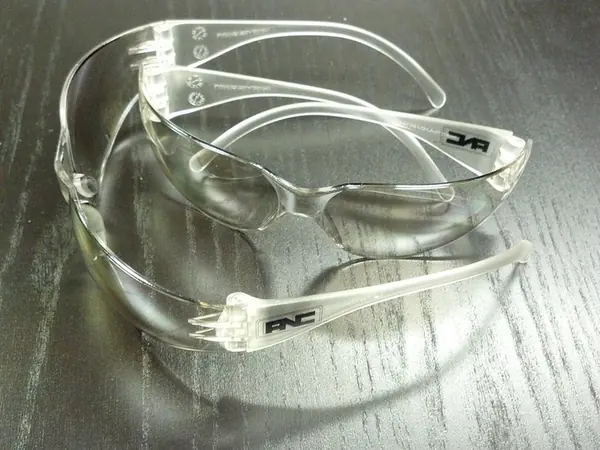
Representative photo. Check the retailer listing for the exact model, color and size.
Photo: Mirrored Safety Glasses - Imprinted with Logo by Woodlands Ad Agency, CC BY 2.0
A clear flip-up eye visor for climbers wearing Kask helmets.
This Kask visor is a clear eye-protection shield made for the Kask Zenith helmet and compatible Kask models, and it flips up out of the way when you do not need it. Climbers like it because it keeps eye protection on the helmet instead of in a pocket.
Safety glasses get pushed up, fogged or left on the dashboard. A visor that lives on your helmet is there every time you need it, and you can flip it down in one move before starting the saw or pushing through a dense crown.
Many climbers who search for Kask visors want exactly that: eye protection that does not depend on remembering a separate pair of glasses.
A clear visor also gives some protection to the face from flying bark and twigs, which glasses alone do not. When you push through a dense crown, a flipped-down visor keeps small branches out of your eyes.
Kask makes several visors and helmets, and not every visor fits every shell. Check the listing and Kask's compatibility chart for your helmet model before ordering. If you are looking for the Kask Zenith X2 visor specifically, confirm the version matches your helmet's mount.
Make sure the visor sits clear of your nose and glasses and does not interfere with earmuffs. If you wear prescription glasses, test the fit before your first climb.
Climbers who wear glasses should check the visor does not press on the frames or fog up from breath. Mounting adjustments and the right visor version usually solve both problems.
A clear visor stops chips and twigs from reaching your eyes and gives some face coverage. Fine dust can still get around the edges, so on dusty tasks some climbers wear safety glasses underneath, such as the ERB O.N.E. Live Free.
Follow your employer's PPE policy and the ANSI Z133 requirements for eye and face protection for the task, and check the visor's markings for the rating it carries.
Mesh visors and clear visors each have a place. Mesh lets air through and does not fog, but fine dust gets through. A clear visor blocks dust better but can fog on humid days. Some climbers own both and switch with the season or the task.
Rinse dust off with water before wiping, and use a soft cloth so you do not scratch the lens. Avoid solvents and harsh cleaners that can cloud or weaken polycarbonate. Replace the visor when scratches start to affect your view or if it cracks.
Check the hinge and mounting points from time to time. A loose visor that drops unexpectedly or will not stay up is a distraction aloft. Keep a spare visor in the truck if you climb every day, since scratches build up fast in sawdust.
When the helmet goes in the truck, set it so the visor is not pressed against tools or rough surfaces.
| Brand | Kask |
|---|---|
| Type | Clear eye visor |
| Fit | Compatible Kask helmets, check listing |
| Mount | Flip-up |
| Lens | Clear |
Specs are from the manufacturer's published figures where available. Confirm against the product listing before you buy.
No. Check Kask's compatibility list for your helmet model and visor version before ordering.
On dusty tasks, many climbers do. A visor blocks chips and debris, while glasses help keep fine dust out.
Rinse with water first, then wipe gently with a soft cloth. Avoid solvents.
Check the markings on the visor you receive for the standard it meets.
Pairs well with
ERB Safety
Light, low-cost camo safety glasses for everyday tree work.
Petzl
A clear eye-protection visor made to mount on Petzl helmets.
3M
A mesh face screen for hard hats that works with Peltor earmuffs.
3M
Light, snug clear safety glasses for everyday tree work.
ERB Safety
Low-cost clear safety glasses to keep a crew in eye protection.
ERB Safety
Low-cost smoke safety glasses to keep a crew in eye protection.
Husqvarna
Light wraparound safety glasses for saw work, chipping and cleanup.
Kask
Spare mounting parts to keep a Kask Super Plasma visor tight and working.
Kask Zenith Visor$45