3M
3M Peltor LiteCom FRS Headset
Hearing protection with a built-in FRS radio for climber-to-ground talk.
Typical $460
 Communication
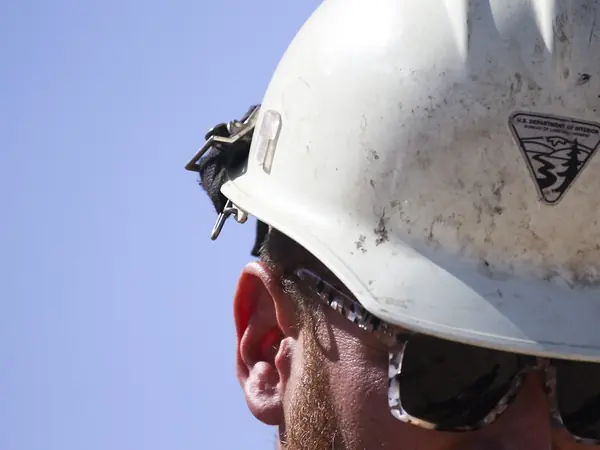
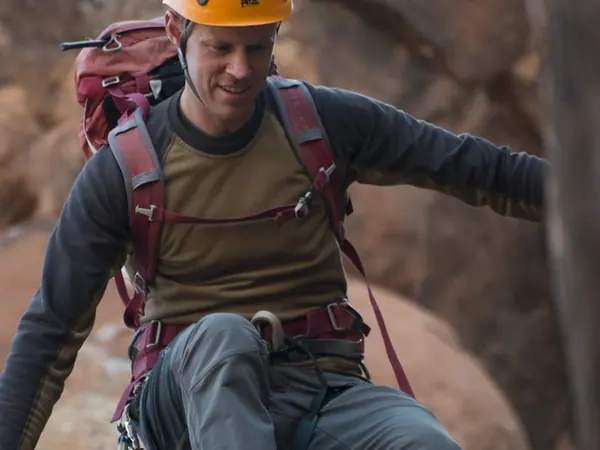
Representative photo. Check the retailer listing for the exact model, color and size.
Photo: Arches Canyoneering by ArchesNPS, Public domain
A bump cap that carries a Sena SMH10 headset for hands-free crew communication.
This bump cap for the Sena SMH10 lets a ground worker or driver wear the SMH10 Bluetooth headset without a full helmet. It suits tasks where talking to the climber or crew matters but there is no overhead hazard that calls for a hard hat.
Clear talk between the climber and ground crew makes rigging safer and faster. Hand signals and shouting over a saw or chipper both have limits. A Bluetooth headset like the SMH10 lets people talk hands-free, and a bump cap gives a light place to mount it for crew members who are away from the drop zone.
Check that the SMH10 parts and mounting fit the cap, and pair and test headsets before work starts.
Headsets earn their keep on jobs with loud machinery running. A ground worker feeding the chipper or running a lowering line can hear the climber's call without shutting anything down, and the climber can hear back that the line is ready. Agree on simple, standard commands and confirm each one so nothing is left to guesswork when the radio is open.
A bump cap protects against minor knocks only. It is not a hard hat and is not rated for falling objects. Anyone in the work zone under a climber, near rigging or felling must wear an appropriately rated helmet per ANSI Z133 and site rules. Helmet-mounted systems are in communication.
Use communication gear as an addition to, not a replacement for, agreed crew commands.
| Compatible with | Sena SMH10 headset |
|---|---|
| Type | Bump cap |
| Protection | Minor bumps only; not a rated helmet |
Specs are from the manufacturer's published figures where available. Confirm against the product listing before you buy.
No. Anyone in the drop zone or near rigging needs a rated helmet. A bump cap is for low-risk tasks only.
Check the listing. Typically the cap is sold for use with an SMH10 you already own.
Pairs well with
3M
Hearing protection with a built-in FRS radio for climber-to-ground talk.
Sena
A Bluetooth intercom with Mesh for hands-free climber and ground crew talk.
Sena
Helmet-integrated communication for crews who want hands-free talk.
Pfanner
Bluetooth headset add-on for Protos Integral helmets, for climber-to-ground talk.
Sena
A replacement boom mic to get a Tufftalk Lite headset talking again.
Fox 40
A small retractable reel that keeps a whistle where you can reach it.
Sena
Helmet-mount earmuffs with Bluetooth intercom for climber-to-ground talk.
Sena
Wear parts for Sena crew headsets, so a torn cushion doesn't bench a radio.
Bump Cap for Sena SMH10 Headset$45