Petzl
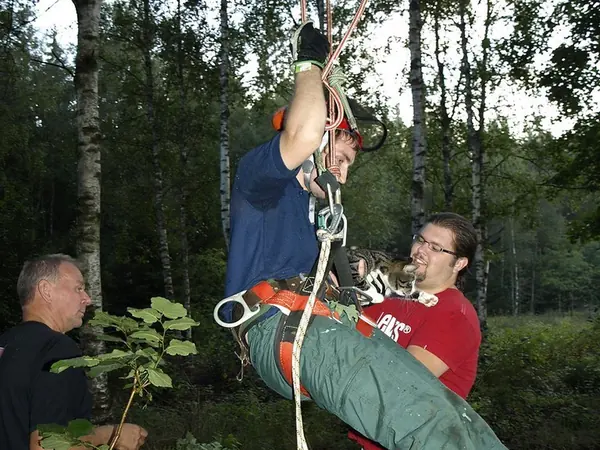
Petzl ASTRO BOD FAST International Harness
A full-body rope access harness with an integrated chest ascender and FAST buckles.
Typical $449
 Fall Protection
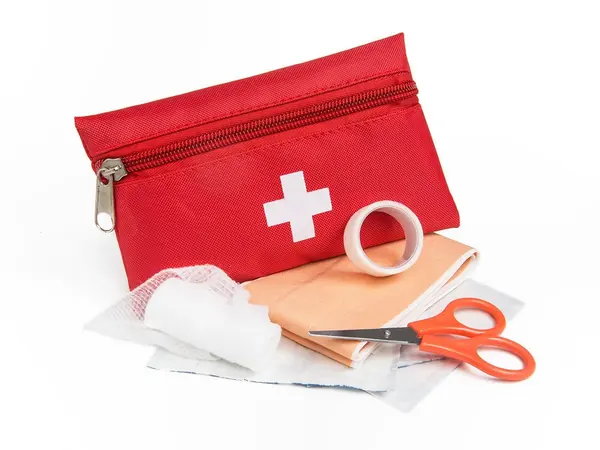
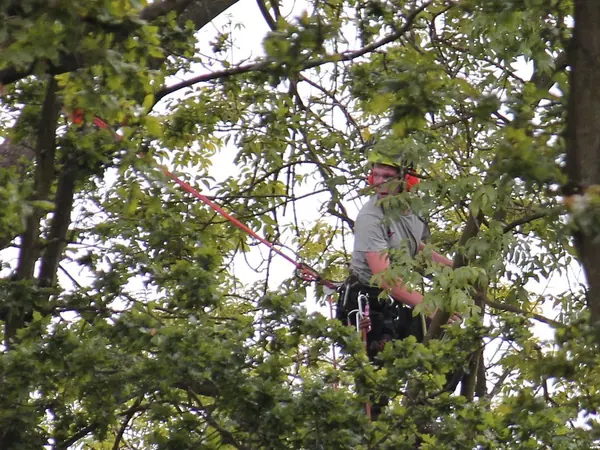
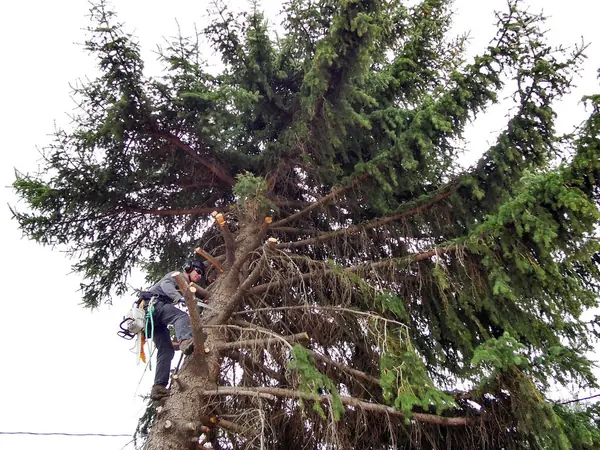
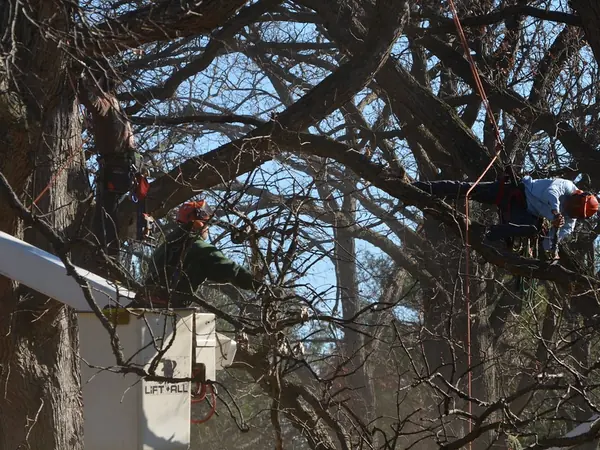
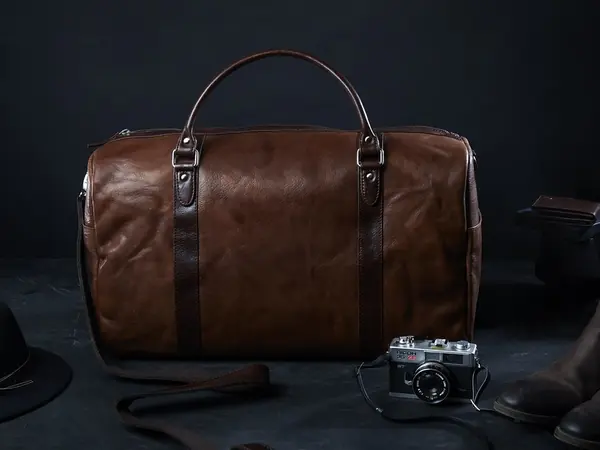
Representative photo. Check the retailer listing for the exact model, color and size.
Photo: REL-NL-WK7-2-duffel-bag-10454 by Trendhim, CC BY 2.0
A bagged emergency descent kit for bucket truck and aerial lift crews.
An aerial lift evacuation kit is an emergency descent system that lets a trained worker get out of a stuck bucket when the boom will not bring them down. It lives in the bucket so it is there when needed.
Hydraulic failures, a stuck boom, or a medical problem can leave an operator in the bucket with no way down. An evacuation kit gives a trained worker a controlled descent from the bucket to the ground while the crew handles the emergency below.
Keep the kit in the bucket where it can be reached quickly, and make sure everyone who runs the lift knows where it is and how it is anchored.
Contents of evacuation kits vary, but most combine a length of rope, a descent control device, connectors, and a bag that keeps everything ready and clean. Learn exactly what is in your kit and how it connects to your harness and the boom anchor. Check it whenever the truck is serviced, not only when you remember.
Practice with the kit under supervision at a safe height before you ever need it. Check the bag, rope, and hardware on a regular schedule, keep it out of oil and hydraulic fluid, and replace any component that is damaged or has been used in a real descent.
See other fall protection gear. Fall protection must meet the applicable standard and the manufacturer's instructions, be inspected before every shift, and be used only by workers trained on it.
| Type | Aerial lift emergency descent kit |
|---|---|
| Primary use | Bucket truck evacuation |
Specs are from the manufacturer's published figures where available. Confirm against the product listing before you buy.
Only workers trained in its use. Plan rescue and evacuation procedures with your crew before work starts.
No. It is one tool within your emergency plan, which should also cover aerial rescue and first aid.
Pairs well with
Petzl
A full-body rope access harness with an integrated chest ascender and FAST buckles.
Safewaze
A full body fall arrest harness for bucket truck and aerial lift crews.
Gap Arborist Supply
A 6 ft wrap-around anchor strap for beams, poles and solid limbs.
Gap Arborist Supply
Rubber filler to bring a Fred rescue training dummy back up to weight.
Petzl
Mobile rope fall arrester with a locking function for backup on a second line.
Petzl
A full-body fall arrest harness designed to go on quickly and fit comfortably.
Gap Arborist Supply Aerial Lift Evacuation Kit$399