New England Ropes
Sassafras 16-Strand Climbing Rope
A traditional 16-strand arborist climbing line for friction-hitch work.
Typical $209
 Climbing Rope
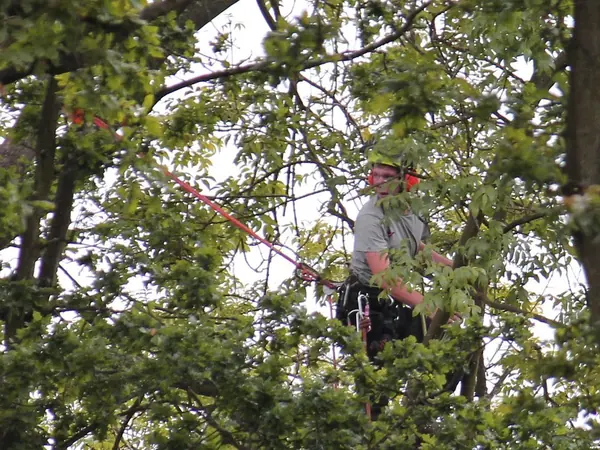
Representative photo. Check the retailer listing for the exact model, color and size.
Photo: IMG_0397 by hojaleaf, CC BY 2.0
A traditional braid climbing line from Yale for working tree climbers.
The Yale XTC 12-strand arborist rope is a climbing line from the XTC family built for tree work, with a braid that handles predictably with friction hitches and is easy to inspect. It suits climbers who want a no-surprises line for everyday MRS climbing.
Twelve-strand rope has a simpler braid than the 16 and 24-strand lines that dominate today, and many climbers like how plainly it shows wear. Run your hands along it and abrasion, flat spots and stiffness show up quickly.
In the tree it pairs well with a traditional friction hitch on MRS. Before you trust any combination, test your hitch cord on the line low to the ground and adjust wraps until it grabs cleanly and tends without fighting you.
Twelve-strand construction is also simpler to splice than many modern covered ropes, which some climbers like for making up their own working ends under supervision. Whatever termination you use, it needs to be made by someone trained in that splice. Buy enough length to reach the ground doubled from your usual tie-in point, plus a margin for the occasional big tree, because a rope that comes up short at the end of a descent is a serious problem.
Keep your climbing line out of chips, oil and sun when it is not in use, and store it in a rope bag. Never cut near it or use it for rigging loads.
Life-support gear must meet ANSI Z133 requirements and the manufacturer's instructions, be inspected before every climb, and be used only by trained climbers. Retire the rope if you find cuts, glazing, chemical contact or a section that feels different from the rest. Compare more climbing rope options.
| Brand | Yale Cordage |
|---|---|
| Construction | 12-strand braid |
| Use | Tree climbing |
| Sold | Hanks; length varies by listing |
Specs are from the manufacturer's published figures where available. Confirm against the product listing before you buy.
No. Keep your climbing line for climbing only and use dedicated rigging rope for lowering loads.
Most common arborist hitch cords work, but test your exact combination low to the ground before climbing on it.
Pairs well with
New England Ropes
A traditional 16-strand arborist climbing line for friction-hitch work.
Courant
A supple 11.9 mm 24-strand climbing line in a high-visibility pink colorway.
Yale Cordage
Yale's 11.7 mm 24-strand climbing line in the Poison Moon colorway.
Jameson
Pole-mounted head for setting a line over a limb from the ground.
Samson Rope
A 12-strand single-braid 1/2 in line with an easy hand and simple splicing.
Teufelberger
The classic blue-and-white 16-strand climbing line for traditional hitch climbers.
Teufelberger
A firm, smooth 16-strand climbing line for hitch climbers on moving rope.
Petzl
A 12.5 mm arborist line made to run in Petzl mechanical friction devices.
Yale XTC 12-Strand Arborist Rope$219