New England Ropes
Sassafras 16-Strand Climbing Rope
A traditional 16-strand arborist climbing line for friction-hitch work.
Typical $209
 16-Strand Rope
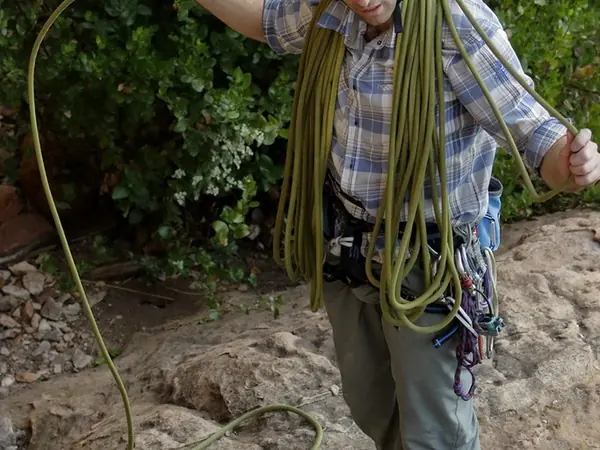
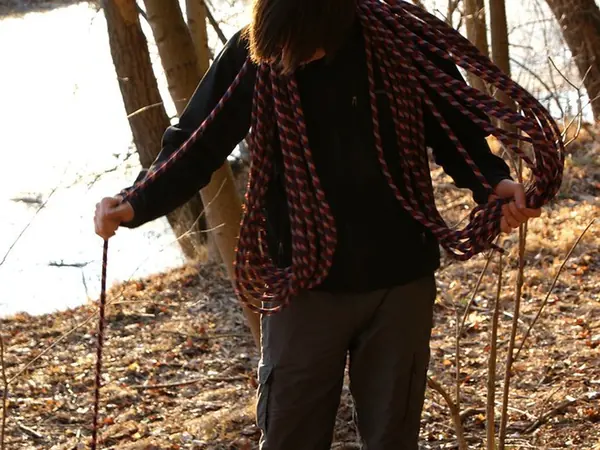
Representative photo. Check the retailer listing for the exact model, color and size.
Photo: coiling by michael pollak, CC BY 2.0
A 16-strand arborist climbing line from Courant for everyday tree work.
The Courant Komora climbing rope is a 16-strand arborist line made for tree climbing, with a firm cover that runs well through friction hitches and mechanical devices. It suits climbers who want a dependable everyday line from a European maker that builds only climbing and work rope.
Sixteen-strand ropes are the workhorse of modern tree climbing. A tight cover over a core gives a line that holds its shape, resists picking up bark and runs cleanly through a friction hitch or pulley.
If you plan to run the Komora on a mechanical device, check that the device maker lists the rope or its diameter and construction as compatible before you climb on it. Then test the setup low to the ground and adjust until it tends smoothly.
Courant is a Czech maker that builds rope for arborists, climbers and industrial work, and its arborist lines are known for firm, durable covers. When a new line arrives, run it through your hitch and any devices on the ground first; a fresh rope often feels a little stiff for the first few climbs and settles in with use.
Keep your climbing line in a rope bag, away from chips, bar oil, fuel and long hours of sun. Never cut near it, and never use it to lower wood. A climbing line that has caught a rigging load is a rigging line from then on.
Life-support gear must meet ANSI Z133 requirements and the manufacturer's instructions, be inspected before every climb, and be used only by trained climbers. Retire the rope if you find cuts, glazing, chemical contact, core damage or a section that feels different from the rest. Compare more 16-strand climbing rope.
| Brand | Courant |
|---|---|
| Construction | 16-strand |
| Use | Tree climbing |
| Sold | Hanks; length varies by listing |
Specs are from the manufacturer's published figures where available. Confirm against the product listing before you buy.
Only if the device manufacturer approves that rope type and diameter. Check both sets of instructions first.
Pick a length that reaches the ground from your highest typical tie-in point doubled for MRS, plus a margin.
Pairs well with
New England Ropes
A traditional 16-strand arborist climbing line for friction-hitch work.
Teufelberger
The classic blue-and-white 16-strand climbing line for traditional hitch climbers.
Teufelberger
A firm, smooth 16-strand climbing line for hitch climbers on moving rope.
Yale Cordage
A classic 1/2 in. 16-strand line for traditional hitch climbing and everyday work.
Yale Cordage
Yale's 16-strand XTC Plus climbing line for traditional hitch climbing.
Yale Cordage
A 16-strand Yale XTC climbing line in a bright spearmint colorway.
Teufelberger
A firm, round 16-strand climbing line for climbers who run both MRS and SRS.
Samson
The green colorway of Samson's 11.7mm ArborFreak climbing line.
Courant Komora Climbing Rope$249