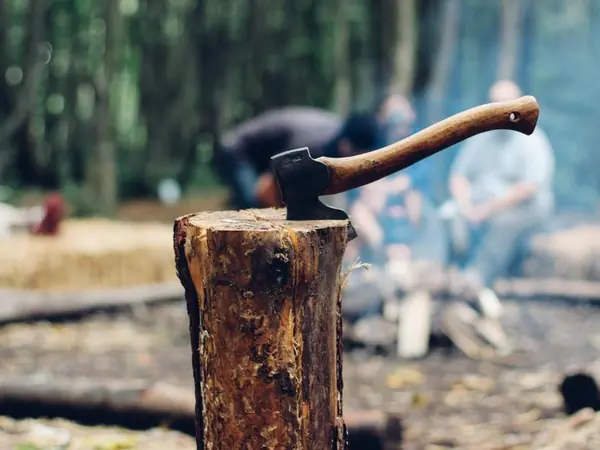
Hardhead
Hardhead Felling Wedge
Plastic felling and bucking wedge that is safe to hit with an axe and safe near a chain.
Typical $15
 Felling Wedges
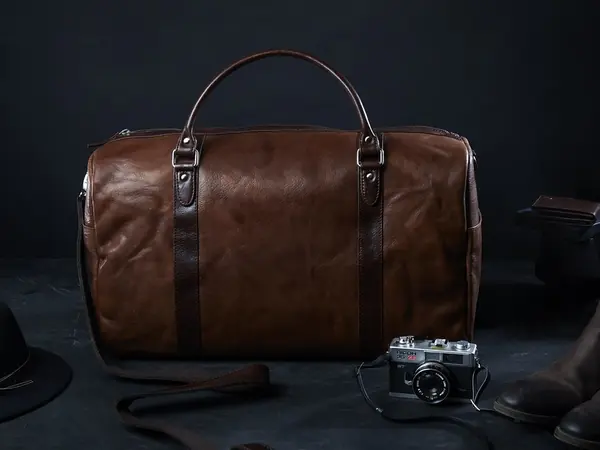
Representative photo. Check the retailer listing for the exact model, color and size.
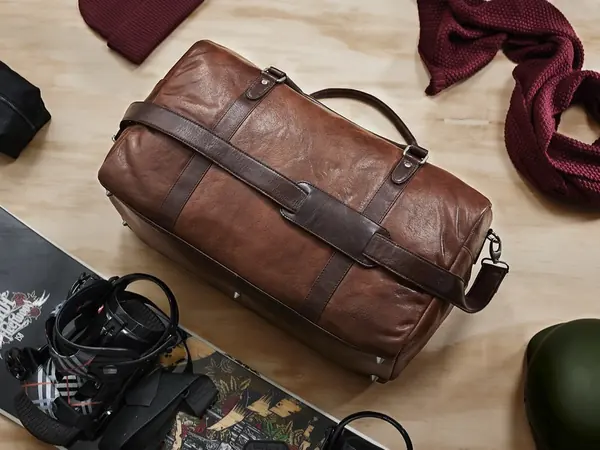
Photo: REL-NL-WK7-2-duffel-bag-10454 by Trendhim, CC BY 2.0
Belt and pouches that keep wedges, tape and saw tools within reach.
A logging belt keeps the gear you reach for every few minutes on your hip instead of back at the truck. This kit pairs a work belt with pouches for wedges and a tape holder, so felling and bucking go faster.
Most sawyers set the wedge pouch on the side opposite their saw hand, with a loggers tape clipped at the back or hip where it pays out cleanly. A file and a bar wrench ride in a small pocket, so a chain can be touched up or tensioned without walking back to the truck.
Keep the load light enough that you can move freely. A couple of felling wedges, a tape, a file and a wrench cover most days. Add an axe or a small hammer only if you drive wedges often.
A good loggers belt also saves your knees and back. Every trip to the truck for a forgotten wedge is another walk across rough ground with a hot saw. Keep the tools on you and the work goes faster.
Keep the tape on the same side as your measuring hand and practice pulling and hooking it. A tape that pays out smoothly from the belt makes bucking to length faster and more accurate.
Wear the belt snug at the hips so it does not slide around when you bend to buck. Check stitching and buckles from time to time and replace worn parts before they let go. A logging belt is a tool carrier, not life-support gear: never clip into it to climb or position. Climbing requires a proper arborist saddle that meets the applicable standard.
Wash off sap and mud at the end of the week and let the belt dry fully before storing it. Wet leather and webbing wear faster and can rot if left balled up in the truck.
| Type | Logging belt with pouches |
|---|---|
| Carries | Wedges, loggers tape, wrench, file |
| Use | Felling, bucking, timber cruising |
Specs are from the manufacturer's published figures where available. Confirm against the product listing before you buy.
No. A logging belt only carries tools. An arborist climbing saddle is life-support equipment that must meet the applicable standard.
Usually two or more wedges, a loggers tape, a chain file and a bar wrench.
Pairs well with
Hardhead
Plastic felling and bucking wedge that is safe to hit with an axe and safe near a chain.
K&H Distributing
A tough plastic felling wedge that every sawyer should carry in the back pocket.
Gap Arborist Supply
Bright, hard plastic wedge for lifting trees and freeing pinched bars.
Gap Arborist Supply
A belt holster that keeps wedges and small tools within reach on the ground.
Logging Belt Kit$79