Husqvarna
Husqvarna Classic Chainsaw Chaps
Apron-style leg protection for ground sawing, bucking and cleanup crews.
Typical $99
 Chainsaw Chaps
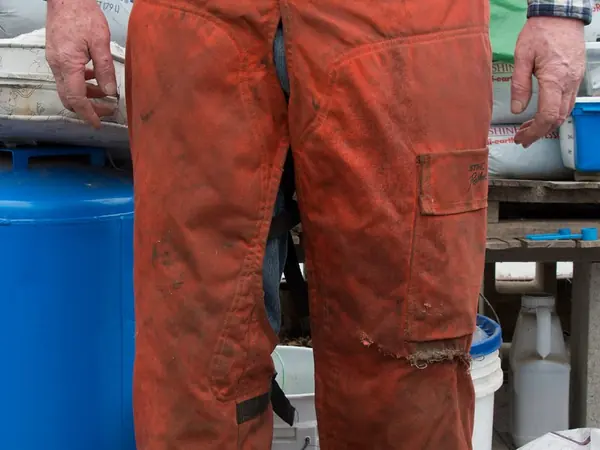
Representative photo. Check the retailer listing for the exact model, color and size.
Photo: Chainsaw Chaps by photofarmer, CC BY 2.0
Budget apron chaps for occasional saw users and ground crews.
These economy apron style chainsaw chaps buckle around your waist and wrap the front of your legs with cut-resistant layers. They are an affordable choice for ground workers, homeowners, and crews who need spare chaps on the truck.
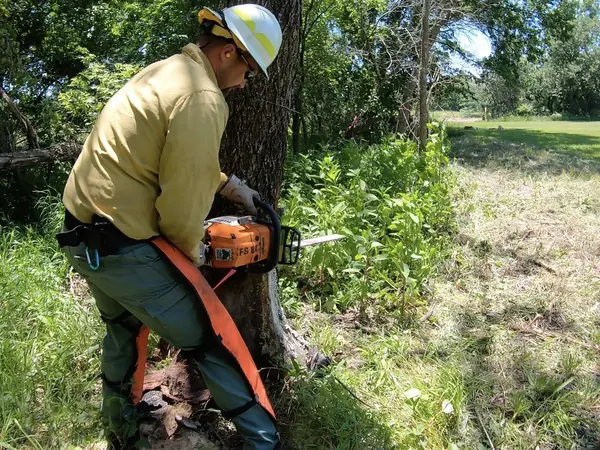
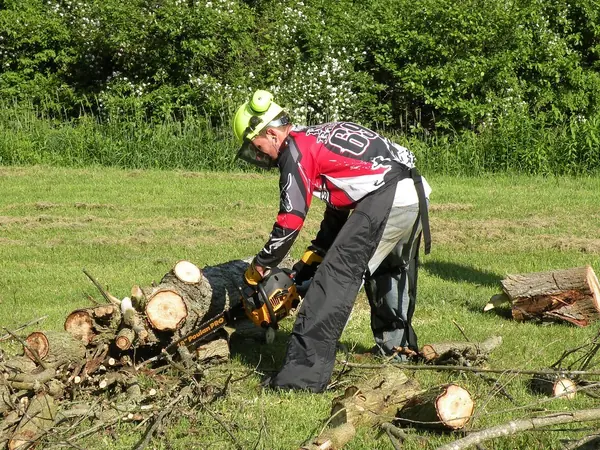
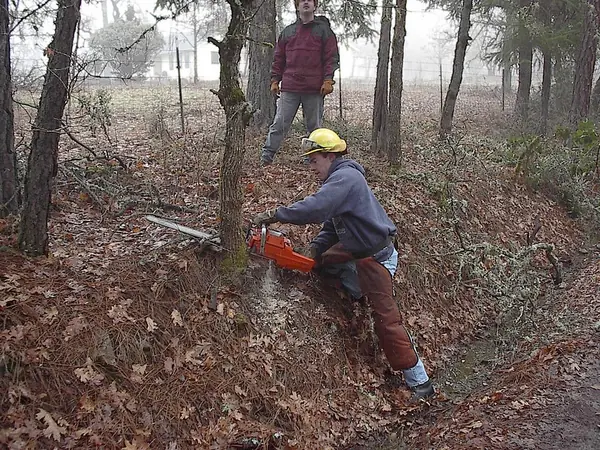
Apron chaps wrap the front and sides of your legs and buckle at the waist and behind each leg. When a moving chain contacts the chaps, the inner fibers pull out and clog the drive sprocket to stop the chain. They go over your work pants in seconds, which makes them handy for ground workers who pick up a saw on and off through the day.
Check the label for the standard the chaps are tested to, such as ASTM F1897 or a UL listing, before relying on them.
Apron chaps suit occasional saw users and ground workers who move between tasks. Climbers and full-time fellers often prefer full-wrap chaps or chainsaw pants that protect the back of the calf too.
Chaps should cover from the waist to about 2 in below the boot top. Snug the straps so the chaps do not shift. Replace chaps after any cut that reaches the protective layers, and keep them clean of oil and fuel. Compare other chainsaw chaps for full-wrap styles.
Chaps are not a reason to take chances. Keep two hands on the saw, keep your stance stable, and keep the bar away from your legs.
Store chaps flat or hanging, out of sunlight, and inspect them for cuts and wear before each use. Fuel and oil can weaken the protective fibers over time.
| Style | Apron |
|---|---|
| Closure | Waist buckle and leg straps |
| Protection area | Front of legs |
Specs are from the manufacturer's published figures where available. Confirm against the product listing before you buy.
They protect the front of the legs, where most cuts happen. Full-wrap chaps add calf protection.
Follow the label. Many can be hand washed; harsh detergents and heat can reduce protection.
Pairs well with
Husqvarna
Apron-style leg protection for ground sawing, bucking and cleanup crews.
Clogger
Light, cool apron-style chaps for sawyers who spend all day on the ground.
Clogger
Lightweight, breathable chainsaw pants for climbers and hot-weather ground work.
Clogger
Saw protection in a work-jean look for crews, homeowners and firewood cutters.
Clogger
Very light chainsaw pants for climbers and sawyers who work in heat.
Arbortec
Lightweight, stretchy chainsaw protective pants in Realtree camo with brown accents.
Arbortec
Lightweight, stretchy chainsaw protective pants in Realtree camo with orange accents.
Arbortec
Lightweight, stretchy chainsaw protective pants in Realtree camo with lime green accents.
Economy Apron-Style Chainsaw Chaps$79