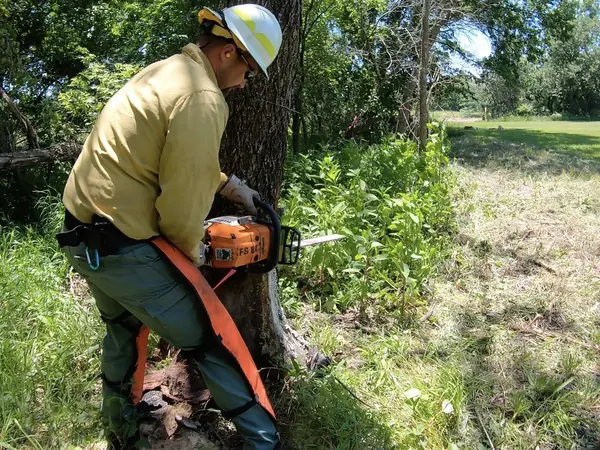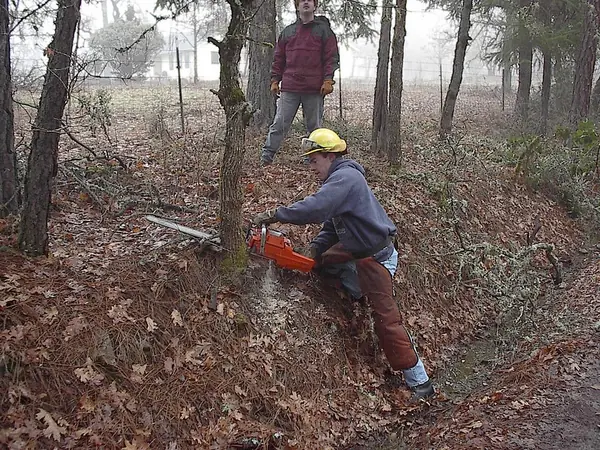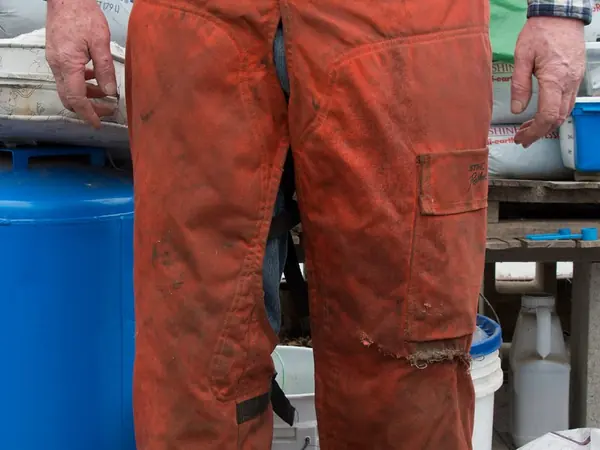
Clogger
Clogger DefenderPro Light Chainsaw Pants
Lightweight, breathable chainsaw pants for climbers and hot-weather ground work.
Typical $329
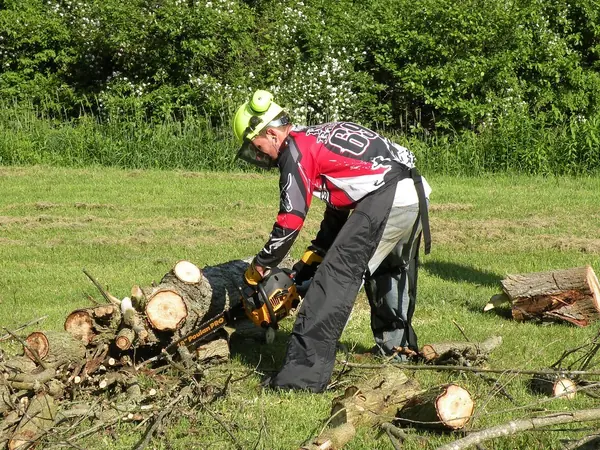 Chainsaw Pants
Representative photo. Check the retailer listing for the exact model, color and size.
Photo: Safety Gear for Chainsaw by Living Off Grid, CC BY 2.0
Very light chainsaw pants for climbers and sawyers who work in heat.
The Zero Gen 2 is the Clogger pair aimed at people who want the lightest possible saw protection. It is a favorite style with climbers and summer storm crews who run a saw all day and need pants that breathe and stretch.
Clogger built the Zero range around one idea: saw protection people will actually wear. Heavy logging pants and chaps work, but in July they turn into a sweat bag and end up behind the seat. The Zero Gen 2 cuts weight and adds stretch so you can climb, crawl through brush and move logs without fighting your clothes.
Climbers using a top-handle saw are the obvious fit. Ground people on long removals and storm crews running saws for days in a row get the same benefit.
The Gen 2 update keeps the same idea as the original Zero and refines the fit and materials. If you wore the first generation and liked it, the second generation is meant to feel familiar while addressing the feedback climbers gave on the first round.
The front of each leg has layered cut-resistant fibers designed to clog the drive sprocket and stop the chain when it contacts the pants. Clogger also offers Zero chaps for people who prefer to strap protection over their own pants. Either way, protection only covers the front of the legs.
Read the label for the certification standard and protection class, and make sure it matches your saw work and your employer's rules. A chain cut into the protective layer means it is time for new pants.
No pants are cut-proof. Protection is designed to stop a chain at the speeds and conditions in the standard, and it does nothing if the saw contacts an unprotected area. Your first defense is still saw handling: chain brake on when you move, two hands on the saw, and a secure work position before you cut.
Heavier logging pants usually have tougher outer fabric and hold up better to constant blackberry, rock and stump abrasion. The Zero Gen 2 gives up some of that toughness for comfort and mobility. For felling and bucking in rough country, a heavier pant may last longer. For climbing and hot weather, the Zeros are easier to live with.
Compare them with the Clogger DefenderPro Light if you want a middle ground between weight and durability.
Climbers should also think about how the pants work with a saddle. Leg loops and bridges sit over the upper thigh, so look for a cut that does not bunch under the leg straps. Light, stretchy fabric generally rides under a saddle better than stiff heavy pants.
Order your usual waist size, and check inseam so the protective panel meets your boot top. Wash them per the label without bleach or softener. Inspect after each day on the saw, keep fuel and oil off them, and remember that pants back up good technique, they do not replace it. Get trained before running a saw on the job.
Because light pants trade some abrasion resistance for comfort, expect them to show wear sooner if you spend a lot of time kneeling on rough wood or dragging brush. Many sawyers keep the Zeros for climbing days and hot weather and a tougher pair for heavy ground work.
| Style | Chainsaw trousers |
|---|---|
| Protection area | Front of legs |
| Weight class | Very light |
| Fit | Athletic cut with stretch |
| Best for | Climbing, hot weather, storm work |
Specs are from the manufacturer's published figures where available. Confirm against the product listing before you buy.
Yes. The Zero line is built light with stretch, which makes it one of the more comfortable options for climbers running a top-handle saw.
The pants have protection built in and replace your work pants. The chaps strap over your own pants and come off quickly when you stop sawing.
It depends on how hard you work them. Retire them right away after any chain contact that reaches the protective layer, and replace them when the outer fabric wears through.
Pairs well with
Clogger
Lightweight, breathable chainsaw pants for climbers and hot-weather ground work.
Clogger
Saw protection in a work-jean look for crews, homeowners and firewood cutters.
Arbortec
Lightweight, stretchy chainsaw protective pants in Realtree camo with brown accents.
Arbortec
Lightweight, stretchy chainsaw protective pants in Realtree camo with orange accents.
Arbortec
Lightweight, stretchy chainsaw protective pants in Realtree camo with lime green accents.
Arbortec
Light, breathable stretch chainsaw pants for climbers and ground workers.
Arbortec
Light, breathable stretch chainsaw pants for climbers and ground workers.
Arbortec
Light, breathable chainsaw pants with all-round leg protection for climbers.
Clogger Zero Gen 2 Chainsaw Pants$349