Husqvarna
Husqvarna 3/8 in x .063 Gauge Chainsaw Chain
Heavy .063 gauge chain for large saws and long bars.
Typical $59
 Saw Chain
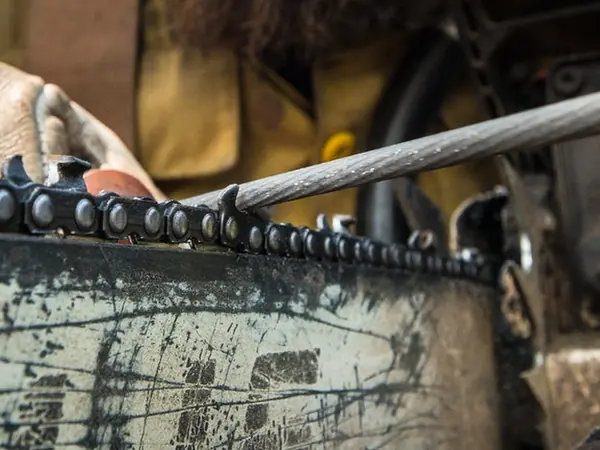
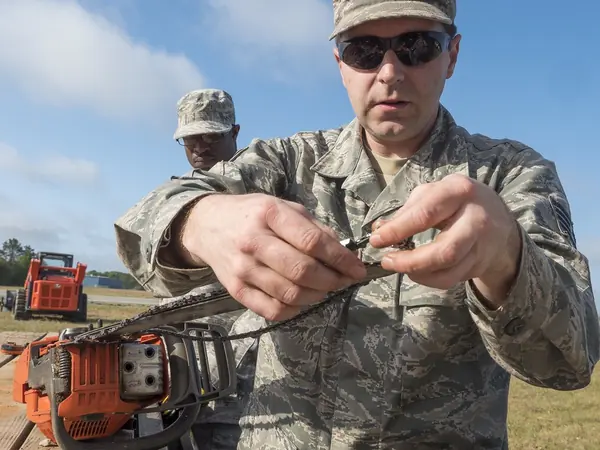
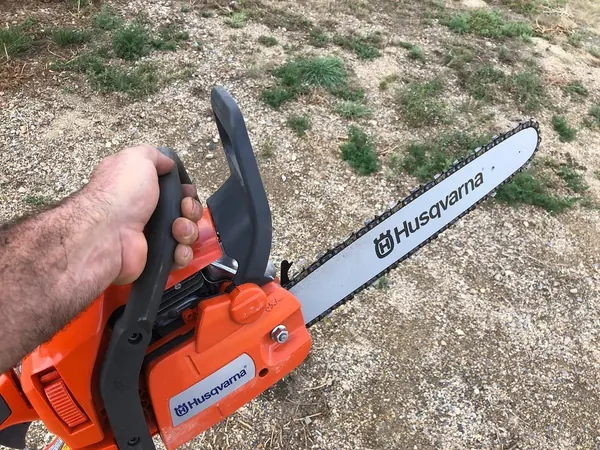
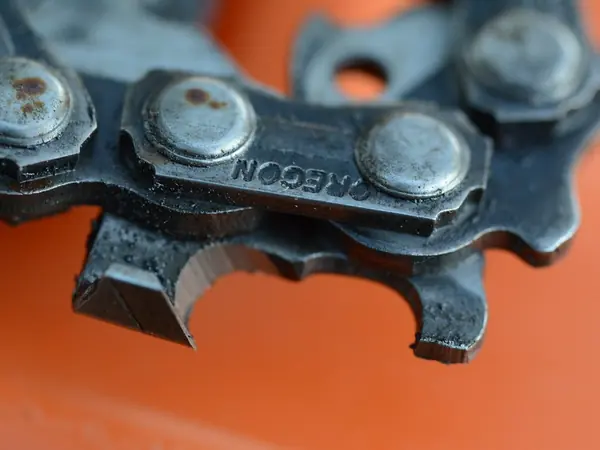
Representative photo. Check the retailer listing for the exact model, color and size.
Photo: Cutting Edge by Clint__Budd, CC BY 2.0
3/8 in pitch, .050 gauge full-comp chain for mid-to-large Husqvarna saws.
This Husqvarna chainsaw chain is 3/8 in pitch, .050 gauge, with a full complement of cutters for fast, smooth cutting. It fits mid-to-large saws running 3/8 in .050 bars and is a common choice for felling and bucking.
Saw chain has to match three numbers on your bar: pitch, gauge, and drive link count. This chain is 3/8 in pitch and .050 gauge. The drive link count depends on bar length and the bar's nose sprocket, and it is stamped on most bars near the mount. Order the link count shown there, not just the bar length, because two 20 in bars can take different chains.
3/8 in pitch is common on saws in the 60 cc and up range, as well as many 50-60 cc saws set up with longer bars. If your bar says .325 or .058, this is not the chain for it.
People searching for chainsaw chain for Husqvarna saws often assume the chain is saw-specific. It is not: the chain fits the bar, and the bar fits the saw. Any bar with the right pitch, gauge, and link count will take this chain.
Full-comp chain has a cutter on every tie strap position the pattern allows, so more teeth are in the wood at once. That gives smooth, fast cuts in the 16 to 24 in bar range most crews run. Skip chain, with fewer cutters, clears chips better on very long bars; for everyday felling, bucking, and storm work, full comp is the standard choice.
Running a spare loop or two on the truck means you can swap a dull chain in a couple of minutes and sharpen the old one later at the shop.
Husqvarna chains also come in different cutter styles. Chisel cutters cut fastest in clean wood; semi-chisel cutters hold an edge longer in dirty wood. Pick the style that matches how you work, and match it to the right file size when sharpening.
When you buy several loops at once, label each with its drive link count and the bar it fits. A mixed truck box of unmarked chains is a quick way to lose time on site.
Run a new chain at low load for a few minutes, then let it cool and recheck tension, since new chain stretches as it seats. Keep the bar oiler working and the oil reservoir full.
Sharpen with the file size and angle in Husqvarna's chart for this chain, take the same number of strokes on each cutter, and lower depth gauges every few sharpenings. Replace the chain when cutters are worn back to the wear marks or when links are cracked. Pair new chain with a fresh chain loop rotation and a sprocket check: a worn rim sprocket eats new chain quickly.
Always wear chainsaw-rated leg protection, gloves, eye and hearing protection, and a helmet when running a saw.
If the chain starts to cut crooked, check for uneven cutters or a worn bar rail before blaming the chain. Dress the bar rails with a flat file and flip the bar every time you change the chain so both rails wear evenly.
| Pitch | 3/8 in |
|---|---|
| Gauge | .050 in |
| Cutter sequence | Full complement |
| Fits | Bars marked 3/8 in pitch, .050 gauge |
| Sold as | Loops by drive link count |
Specs are from the manufacturer's published figures where available. Confirm against the product listing before you buy.
Read the pitch, gauge, and drive link count stamped on your bar, then match all three.
It fits any bar made for 3/8 in pitch, .050 gauge chain with the matching drive link count, regardless of saw brand.
Full comp for most bars up to about 24 in. Skip chain is common on long bars where chip clearance matters more.
Pairs well with
Husqvarna
Heavy .063 gauge chain for large saws and long bars.
Husqvarna
Low-vibration .325 semi-chisel chain for mid-size saws.
Husqvarna
A 44 drive link replacement chain for Husqvarna gas pole saws.
Husqvarna
A 3/8 micro, .050 gauge replacement chain sold to fit your bar length.
Husqvarna
Full chisel skip chain for long bars and big-diameter wood.
Oregon
Replacement 3/8 low profile chain for the Stihl MS200T top-handle saw.
Husqvarna
Low-profile 3/8 mini chain for small saws, top handles and pruning work.
Husqvarna
Heavy .404 pitch chain in .063 gauge for big saws on large wood.
Husqvarna 3/8 in x .050 Full Comp Chainsaw Chain$36