Husqvarna
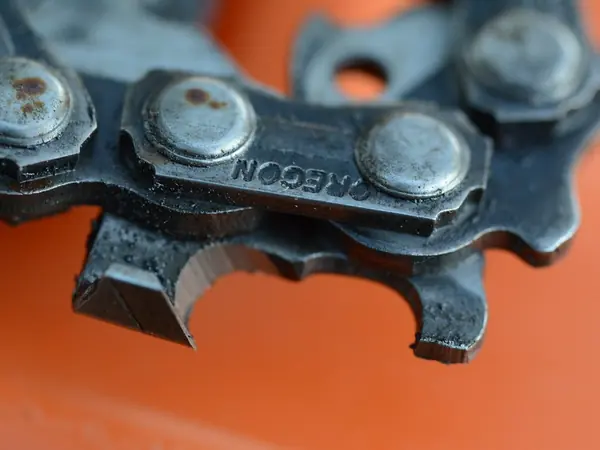
Husqvarna 3/8 in x .050 Full Comp Chainsaw Chain
3/8 in pitch, .050 gauge full-comp chain for mid-to-large Husqvarna saws.
Typical $36
A chainsaw bar and chain wear together, and replacing them as a matched set keeps a pro saw cutting straight. Browse replacement bars and saw chain by pitch and gauge for the saws arborists and loggers run.
Husqvarna
3/8 in pitch, .050 gauge full-comp chain for mid-to-large Husqvarna saws.
Husqvarna
Heavy .063 gauge chain for large saws and long bars.
Husqvarna
Low-vibration .325 semi-chisel chain for mid-size saws.
Husqvarna
A lightweight 3/8" x .050" Husqvarna bar that takes weight off the front of the saw.
Husqvarna
Husqvarna's narrow-kerf bar for the X-Cut SP21G chain system.
Oregon
A replacement Oregon bar for .325" pitch, .050" gauge chain on mid-size saws.
Husqvarna
A 12 in replacement bar for Husqvarna gas pole saws, 44 drive link chain.
Husqvarna
A weight-saving 3/8 x .063 bar for Husqvarna pro saws.
Husqvarna
A 44 drive link replacement chain for Husqvarna gas pole saws.
Husqvarna
A 3/8 micro, .050 gauge replacement chain sold to fit your bar length.
Husqvarna
Full chisel skip chain for long bars and big-diameter wood.
Oregon
Replacement 3/8 low profile chain for the Stihl MS200T top-handle saw.
Husqvarna
Pro replacement bar in 3/8 pitch, .050 gauge for mid to large Husqvarna saws.
Husqvarna
Heavy-duty sprocket nose bar for big saws running .404 pitch chain.
Husqvarna
Narrow kerf X-Force bar for Husqvarna's Pixel chain on mid-size saws.
Husqvarna
Low-profile 3/8 mini chain for small saws, top handles and pruning work.
Husqvarna
Heavy .404 pitch chain in .063 gauge for big saws on large wood.
Husqvarna
Narrow-kerf .325 mini X-Cut chain for light, fast pro saws.
Husqvarna
A small-saw bar from Husqvarna sized for 3/8 in mini Pixel chain.
Husqvarna
A 10 in replacement bar for Husqvarna battery-powered pole saws.
Husqvarna
A 40 drive link replacement chain for Husqvarna battery pole saws with a 10 in bar.
Husqvarna
A narrow-gauge Husqvarna bar for small saws running 3/8 mini chain.
Husqvarna
A 36 inch, 3/8 pitch, .063 gauge bar for big Husqvarna saws on large wood.
Husqvarna
A solid, heavy-duty Husqvarna bar for 3/8" .050" chain on pro saws.
Nothing matches those filters. Try another brand or raise the price limit.
Buying guide
Three numbers decide fit: pitch (such as .325 or 3/8), gauge (such as .050 or .063) and drive-link count. The bar also has to match the saw's mount. Find these on the bar tail or in the manual before you order.
Lightweight laminated bars suit top-handle and mid-size saws used in the tree, while solid bars hold up better on big saws in the log. A new chain on a worn bar will run crooked, so flip the bar regularly, dress the rails, and replace the sprocket every couple of chains.
Most bar and chain trouble starts with oil and tension. Check that the oiler is putting a line of oil on a stump when you rev the saw, clean the oil hole and bar groove every time you change chains, and set tension so the chain snaps back against the bar but still pulls freely by hand.
Flip the bar each time you sharpen so both rails wear evenly, and file off any burr on the rail edges. If the chain leans to one side in the groove or the saw starts cutting in a curve, the rails are uneven or the chain is filed unevenly. Keep a couple of matched bar and chain sets on the truck so a pinched or damaged bar does not end the day.
Not always, but a badly worn bar or sprocket will chew up a new chain. Check rail wear and the sprocket whenever you put on a fresh chain.
 Free toolChain & File Size FinderMatch chain pitch to the right round file and depth gauge, and estimate drive links for your bar length.