Clogger
Clogger DefenderPro Light Chainsaw Pants
Lightweight, breathable chainsaw pants for climbers and hot-weather ground work.
Typical $329
 Chainsaw Pants
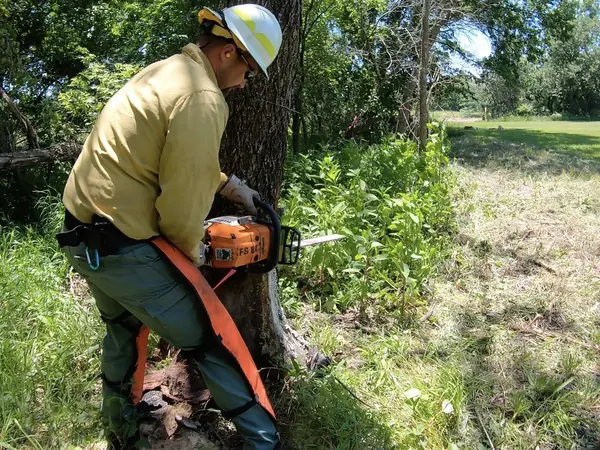
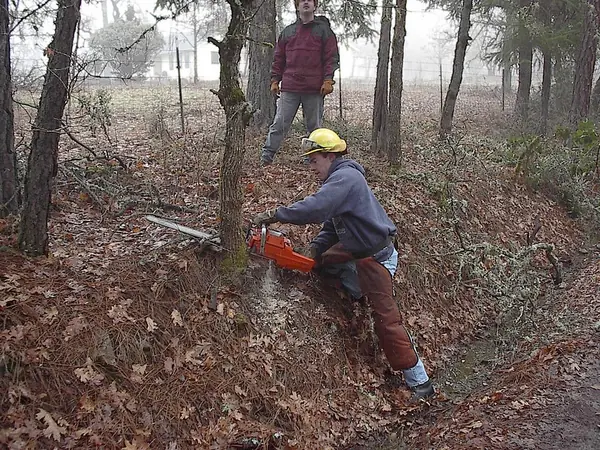
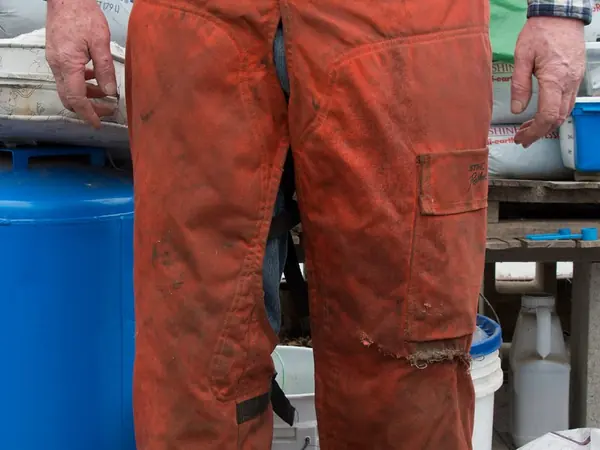
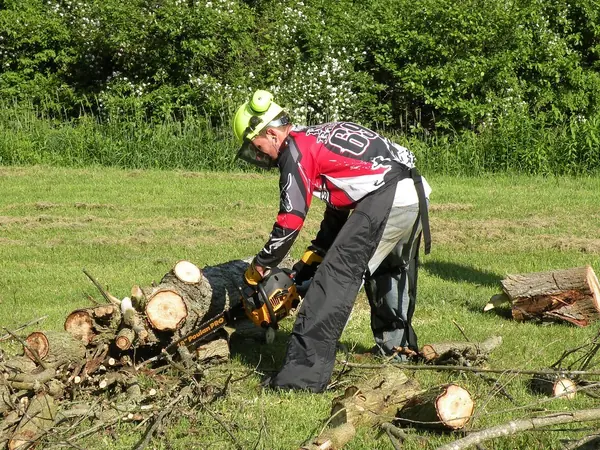
Representative photo. Check the retailer listing for the exact model, color and size.
Photo: Safety Gear for Chainsaw by Living Off Grid, CC BY 2.0
Lightweight, stretchy chainsaw pants cut for climbing arborists.
The Clogger Ascend Gen 2 chainsaw pants are lightweight protective trousers designed around tree climbing. They put cut-resistant layers on the front of the legs in a stretch shell that moves when you are stepping high, kneeling on a limb, or working in a saddle all day.
Most chainsaw pants were designed for loggers on the ground. The Ascend line was built for climbers, so the fabric stretches where you bend, the protection stays where a saw is most likely to touch you, and the cut is slim enough to sit under leg loops without bunching.
That matters on a hot day halfway through a removal. Pants that move with you and breathe are pants you actually keep on. See our other chainsaw pants for more options.
Pants also do away with chaps straps that catch on stubs and climbing lines. Try them on with your boots and saddle, and check that the waist sits well with your bridge and leg loops before a long day.
Cut-resistant layers work by pulling fibers into the chain and stopping the sprocket. They reduce injury, they do not make you saw-proof, and they only cover the protected zones. Good saw handling, a sharp chain, and training still come first, in line with ANSI Z133.
Wash them by the label instructions, keep them away from bar oil buildup and heat, and retire any pair that has been cut into the protective layer.
Hang them to dry after a wet day rather than leaving them balled up in the truck. Check the shell and seams regularly so you notice damage early.
| Type | Chainsaw protective trousers |
|---|---|
| Intended use | Tree climbing and general saw work |
| Certification | See the label on the garment |
Specs are from the manufacturer's published figures where available. Confirm against the product listing before you buy.
No. Once the protective layer has been cut, the pants should be replaced. A patch on the shell does not restore the protection.
Yes. The Ascend pants are cut for climbers and are meant to be worn with a saddle and leg loops.
Pairs well with
Clogger
Lightweight, breathable chainsaw pants for climbers and hot-weather ground work.
Clogger
Saw protection in a work-jean look for crews, homeowners and firewood cutters.
Clogger
Very light chainsaw pants for climbers and sawyers who work in heat.
Arbortec
Lightweight, stretchy chainsaw protective pants in Realtree camo with brown accents.
Arbortec
Lightweight, stretchy chainsaw protective pants in Realtree camo with orange accents.
Arbortec
Lightweight, stretchy chainsaw protective pants in Realtree camo with lime green accents.
Arbortec
Light, breathable stretch chainsaw pants for climbers and ground workers.
Arbortec
Light, breathable stretch chainsaw pants for climbers and ground workers.
Clogger Ascend Gen 2 Chainsaw Pants$330