Husqvarna
Husqvarna 1 Quart Premix 50:1 Fuel, Case
Ready-to-pour 50:1 ethanol-free premix in quart cans, sold by the case.
Typical $79
 Fuel & Oil
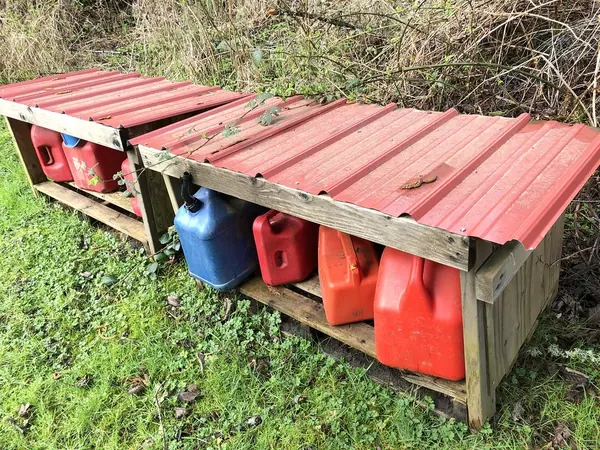
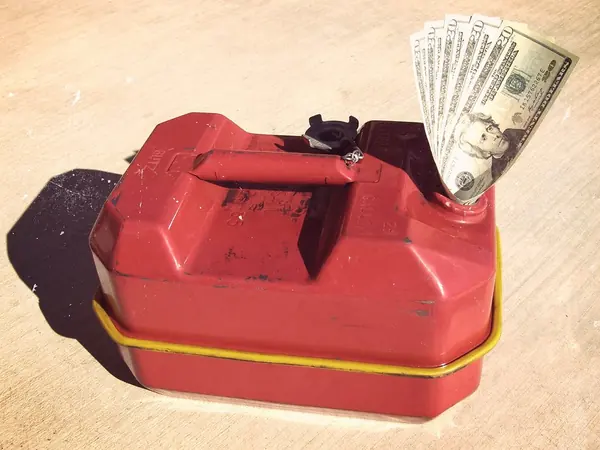
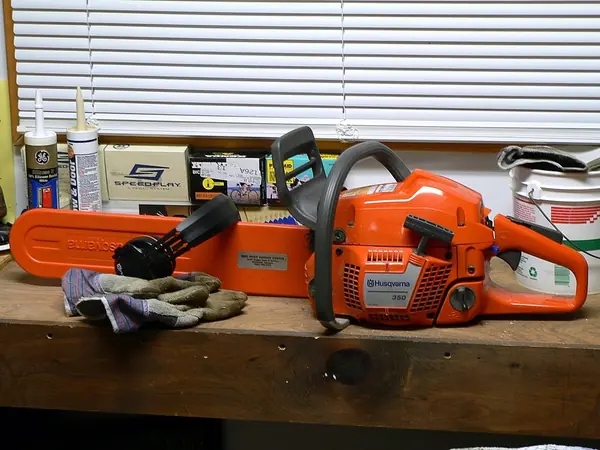
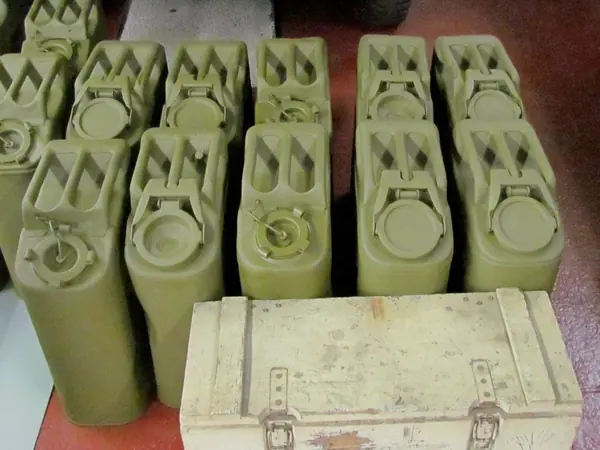
Representative photo. Check the retailer listing for the exact model, color and size.
Photo: Jerry Cans by Ozzy Delaney, CC BY 2.0
Red push-button fuel can for clean refueling of saws and small engines.
This red No-Spill fuel can is a no spill gas can with a push-button spout that lets you control the flow, so you can fill a saw or a small engine without glugging fuel down the side. It is a simple upgrade over the frustrating spouts on most plastic cans.
Most modern plastic cans come with spouts that are hard to start, glug when they flow and dribble when they stop. On a saw, that means fuel down the side of the powerhead, on your gloves and on the ground. A no-spill gas can uses a thumb-operated valve, so the fuel only flows when you press the button and stops the instant you let go.
That control makes the biggest difference with small tanks. Topping off a top-handle saw, a pole saw or a blower on the tailgate is quick and tidy, and you can see the level rise without overfilling.
Less spilled fuel also means less fuel soaking into your chaps or saw pants, where it can break down protective fibers, and less fuel on a hot muffler, where it can flash. Clean refueling is a safety habit, not just a tidiness one.
Keep one red can for mixed fuel and label it with the ratio, such as 50:1, and the date mixed. Most crews keep a second can for straight gas if they run 4-stroke equipment or a gas chipper. Do not mix them up: straight gas in a 2-stroke saw can ruin the engine in minutes.
Refuel with the engine shut off and cool, on bare ground or the tailgate, away from where you will start the saw. Set the can on a stable surface, put the spout in the tank, then press the button. Release it before you pull the spout out.
Pair it with a metal safety can for bar oil or other fluids so each fluid has its own color and container.
A good habit is to refuel the saw every time you refill bar oil, and to do both at the same spot on the tailgate. Saws should run out of bar oil and fuel at about the same time, and a set routine keeps a climber from running a dry bar aloft.
Keep the cap closed when you are not pouring. Check the spout seal and button for cracks or stickiness now and then, and keep dirt out of the spout so it does not end up in your carburetor. If the button starts to leak, replace the spout or the can.
Plastic cans can swell in the heat. Park the truck in shade when you can and do not leave cans in direct sun all afternoon. Never fill a can while it is sitting in the truck bed; set it on the ground first so static has a path to ground, and fill outdoors away from sparks.
Do not store fuel in the cab or in a closed trailer with ignition sources. Keep cans secured upright in the truck so they cannot tip or roll.
Smaller cans are easier to pour accurately into small saw tanks. Larger cans make sense for fueling a chipper or a fleet of equipment, but get heavy and awkward when full. Many crews carry one small can for saws and a larger can for the bigger engines. Check the listing for the exact capacity before you order.
Whatever size you choose, buy the same style of can for everyone on the crew. When every can works the same way, nobody fumbles a spout they have never used while standing over a hot saw.
| Type | Push-button pour fuel can |
|---|---|
| Color | Red (gasoline) |
| Body | Plastic |
| Brand | No-Spill |
| Use | Gasoline or mixed 2-stroke fuel |
Specs are from the manufacturer's published figures where available. Confirm against the product listing before you buy.
A thumb-operated valve in the spout only lets fuel flow while you hold the button down. Release it and the flow stops.
Yes. Label the can with the mix ratio so it is never confused with straight gas.
Filling a can on the ground gives static a path to dissipate. Filling it in a truck bed liner can let static build up and cause a spark.
Pairs well with
Husqvarna
Ready-to-pour 50:1 ethanol-free premix in quart cans, sold by the case.
Eagle
Metal safety can in green to keep oil and combustibles separate from gas on the truck.
Husqvarna
Ethanol-free 50:1 premixed fuel in a bulk size for crews running several saws.
Husqvarna
Synthetic blend 2-stroke mixing oil sized for a 5 gallon can of fuel at 50:1.
Husqvarna
Synthetic blend 2-stroke oil for a 2.5 gallon batch of 50:1 fuel.
Husqvarna
Husqvarna's biodegradable bar and chain oil for saws working near soil and water.
Husqvarna
Bulk ready-mixed 2-stroke fuel for crews running a fleet of saws and handhelds.
Eagle
A galvanized steel 5 gallon safety can in yellow, the color crews use for diesel.
No-Spill Red Fuel Can$39