Gap Arborist Supply
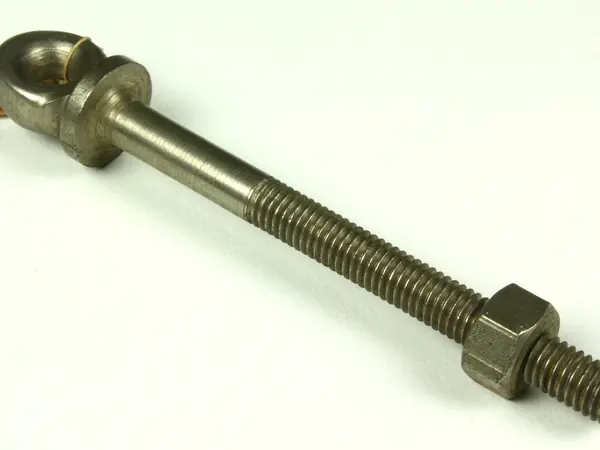
Tree Bracing Rods
Threaded rods for bracing weak unions and split stems in trees.
Typical $25
 Plant Care
Representative photo. Check the retailer listing for the exact model, color and size.
Photo: Gas Can Storage by Hugo-90, CC BY 2.0
A brush-on, water-based tree wound dressing for bark damage and grafts.
Lac Balsam is a water-based tree wound dressing that you brush onto damaged bark, where it dries to a flexible film. Arborists and orchard growers use it on bark tears, mower damage and graft unions rather than on routine pruning cuts.
Most current guidance, including ANSI A300, says wound dressings are not needed on ordinary pruning cuts. A good cut at the branch collar closes on its own. Lac Balsam earns its place on the jobs where you want to protect exposed cambium: a strip of bark torn off by a mower or a lowering mishap, a fresh graft, or a wound on a young tree you are trying to keep moist.
It is a niche product. If a client asks for wound paint on every cut, explain the standard and save the dressing for the cases above.
Some growers also like it on grafts, where it helps keep the union from drying out while the scion takes. On young street trees damaged during planting or by string trimmers, a coat can protect the wound while you sort out the cause, usually by mulching a ring so the trimmer stays away.
Trim loose, ragged bark back to clean, attached tissue first. Brush a thin layer over the exposed wood and the wound edges, then let it dry. Check the product label for temperature limits and reapplication. Wash brushes in water before it sets.
A tub goes a long way since you only coat damaged areas. Keep the lid sealed between uses so it does not skin over, and store it where it will not freeze. If a wound keeps getting reopened, fix the cause; no dressing replaces good care.
| Type | Tree wound dressing |
|---|---|
| Base | Water-based |
| Application | Brush or spatula |
| Cleanup | Water while wet |
Specs are from the manufacturer's published figures where available. Confirm against the product listing before you buy.
Yes. Lak Balsam is a common misspelling of Lac Balsam, the same water-based wound dressing.
No. Standard practice is to leave proper pruning cuts undressed. Use it on bark damage, grafts and similar wounds.
Pairs well with
Gap Arborist Supply
Threaded rods for bracing weak unions and split stems in trees.
Gap Arborist Supply
Galvanized steel strand for general-purpose, non-critical uses.
Gap Arborist Supply
Extra-high-strength galvanized steel strand for tree support systems.
Gap Arborist Supply
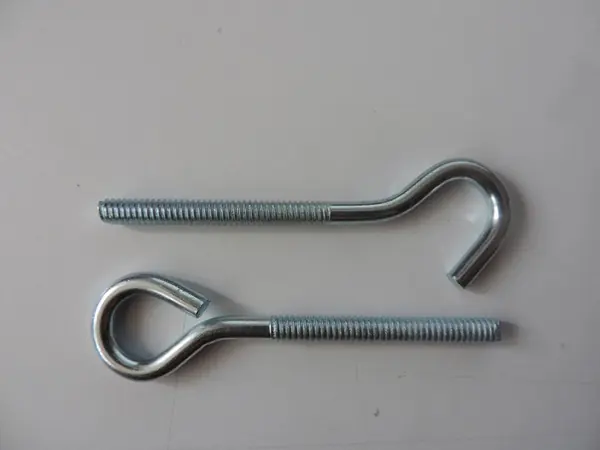
A 3/8 in eye bolt for anchoring light cabling systems in trees.
Gap Arborist Supply
A galvanized lag eye for anchoring light cable systems in small to medium limbs.
Gap Arborist Supply
Hook-style lag anchors for cabling leads with a cable that wraps the J.
Gap Arborist Supply
Soft, wide staking web on a roll for supporting newly planted trees.
Gap Arborist Supply
Galvanized U-bolt wire rope clips for guying trees and making eyes in cable.
Lac Balsam Tree Wound Treatment$30