Gap Arborist Supply
Speed Line Kit with Carabiners
A speedline setup for zipping brush and wood over obstacles to the drop zone.
Typical $260
 Rigging Kits
Representative photo. Check the retailer listing for the exact model, color and size.
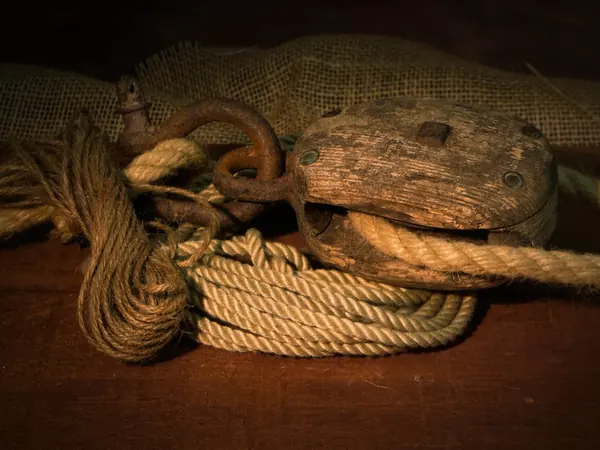
Photo: Coiling the Rope by blachswan, CC BY 2.0
A packaged speedline setup from Weaver for zipping brush to the drop zone.
A speed line lets you send brush down a tensioned rope from the canopy to a landing spot well away from the tree, and the Weaver speedline kit packages what you need to rig one. It is the answer for removals where the drop zone under the tree is crowded with roofs, decks and plantings.
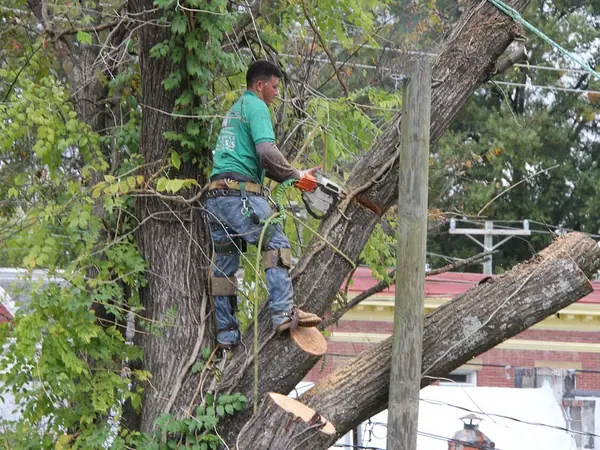
On a tight lot, getting brush to the ground is easy. Getting it to the ground without hitting the house, the fence and the flower beds is the hard part. A speed line runs from a high anchor in the tree to a low anchor at the landing zone, and each bundle of brush slides down it, clearing everything underneath.
It changes the pace of a job. The climber keeps cutting and sending, the ground crew keeps clearing the landing zone, and the brush ends up next to the chipper instead of spread across the yard. Meanwhile the main lowering line stays free for wood.
It is also a cleaner job for the client. Fewer crushed shrubs and dented gutters means fewer callbacks and a better reputation for the crew. Many arborists who try a speed line on one tight job end up keeping a kit in the truck permanently.
Pick the high anchor above the work in sound wood, and the low anchor at the landing zone: a stump, another tree or a ground anchor your company approves. The line angle sets the speed. A steep line delivers fast and hard; a shallow one may stall loads halfway.
Tension the line with a mechanical advantage system or with wraps on a lowering device at the low end. A controllable low anchor lets you slacken the line to bring loads down gently into the pile. Over-tensioning multiplies forces on both anchors, so tension only enough to clear the targets.
For a store-assembled alternative, compare the speed line kit with carabiners.
Protect the bark at the high anchor with a sling or friction saver rather than running the line around a bare limb, and use a sling sized for the forces a loaded speed line can put on it.
Clip a pulley or carabiner to the line first, then to the brush with a sling. Keep loads small and trimmed so they ride clean. Several light bundles are easier on the anchors and the crew than one heavy limb. Have extra connectors on the line so the climber is not waiting for gear to come back.
Everyone stays out from under the line and the landing zone while loads are moving. Agree on calls for sending, clear and stop. If a load hangs up halfway, do not stand under it to free it; use the low anchor to slack and lower it.
Strip awkward side branches so bundles ride without catching. A tangle of twigs dragging along the line slows everything and wears the rope.
A speed line is rigging, not a life-support system. Never clip a person to it. Check the rope, slings, pulleys and carabiners before every job, and retire anything cut, glazed or deformed. Re-check the anchors and tension after the first few loads, since rope stretches and slings settle.
Train the crew to set up and run a speed line before using one over property, and work to ANSI Z133. The line cuts a job's risk only when everyone knows how it works and where to stand.
| Brand | Weaver |
|---|---|
| Type | Speedline kit |
| Use | Zip-lining brush and light wood |
| Anchoring | High in tree, low at landing zone |
| Ratings | See markings on each component |
Specs are from the manufacturer's published figures where available. Confirm against the product listing before you buy.
A tensioned rope from a high anchor in the tree to a low anchor at the landing zone, used to slide brush away from targets.
Steep enough that loads slide without stalling, shallow enough that they arrive under control. A controllable low anchor lets you adjust.
Light wood, yes. Heavy pieces put large forces on the anchors; use the lowering line for those.
Pairs well with
Gap Arborist Supply
A speedline setup for zipping brush and wood over obstacles to the drop zone.
Buckingham
A friction lowering device and soft anchor sling, ready to mount and rig.
Gap Arborist Supply
A speedline setup for sending brush down a tensioned rope to a clear drop zone.
CMI
Hardware to set up a speedline and send brush and wood to a clear drop zone.
ISC
An ISC rigging block for 1/2 inch line, with a sling to hang it.
ISC
A light aluminum rigging block for 5/8 inch line with a matching dead-eye sling.
Buckingham
A friction lowering device and an adjustable 5/8 inch whoopie sling to mount it.
ISC
An ISC rigging block for 1/2 in rope, paired with an adjustable loopie sling.
Weaver Speed Line Kit$280