Gecko
Replacement Pads for Gecko Climbers
Fresh cuff pads to keep Gecko spurs comfortable on removals.
Typical $49
Lightweight tree spikes cut the weight you lift with every step, which makes a real difference on big removals. This guide covers what to look for in lightweight climbing spurs, from shank material to pads, gaffs and boots.
Gecko
Fresh cuff pads to keep Gecko spurs comfortable on removals.
Climb Right
Light aluminum removal spurs with wide, padded uppers for long days on spikes.
Climb Right
Lightweight aluminum climbers with stiff steel-backed pads for removal climbers.
Buckingham
Tough steel Buckingham spikes with wide Big Buck pads for everyday removal work.
Buckingham
Basic steel Buckingham climbers with lower straps, ready for the pads you choose.
Buckingham
Steel Buckingham tree spikes with traditional T-pad uppers for removal climbers.
Buckingham
Wide, padded replacement uppers that make long days on spurs easier on your calves.
Buckingham
Wide Big Buck uppers with a quick hook-and-loop closure for fast on and off.
Buckingham
Screw and dowel style Buckalloy tree gaffs to bring worn Buckingham spurs back.
Edelrid
Replacement upper straps and pads for Edelrid Talon climbing spurs.
Distel
Fresh pads, rings and straps to put worn Distel climbers back in service.
Notch
Ergonomic spurs for removal climbers who want comfort without top-tier prices.
Climb Right
Lightweight aluminum tree climbers fitted with L-shaped pads.
Climb Right
Lightweight aluminum tree climbers fitted with shin cups.
Climb Right
Lightweight aluminum tree climbers fitted with T-pads.
Climb Right
Lightweight aluminum tree climbers fitted with Weaver ProCool wrap pads.
Climb Right
Lightweight aluminum tree climbers fitted with Weaver Super Climber pads.
Climb Right
Lightweight aluminum tree climbers fitted with Climb Right Ultra Light pads.
Buckingham
Durable steel tree climbers from Buckingham, fitted with L-shaped pads.
Buckingham
Durable steel tree climbers from Buckingham, fitted with shin cups.
Buckingham
Durable Buckingham steel tree climbers fitted with Weaver ProCool hook-and-loop pads.
Buckingham
Durable steel tree climbers from Buckingham, fitted with Weaver steel support pads.
Gap Arborist Supply
Rigid, lightweight cast aluminum pads that keep spur shanks in line with your leg.
Climb Right
Low-weight calf pads for Climb Right tree climbers.
Weaver
Classic slotted L-pads: a simple, low-cost replacement for tree spurs.
Weaver
Ventilated wrap pads that support the calf on hot removal days.
Weaver
Climber pads with a steel support for climbers who want a stiffer, steadier spur.
Klein Tools
Steel Klein Tools climbers set up for tree work with Big Buck pads.
Klein Tools
Steel Klein Tools climbers set up for tree work with Weaver ProCool wrap pads.
Klein Tools
Steel Klein Tools climbers set up for tree work with shin cups.
Klein
Durable adjustable steel climbers with T-style pads for removal and utility climbers.
Distel
Light carbon-shank tree spurs from Distel for climbers who spend all day on gaffs.
Climb Right
Fresh tree gaffs to bring a worn set of Climb Right spurs back into service.
Distel
Tree gaffs that bring worn Distel and Gecko spurs back to full bite.
Tree Hog
Replacement tree gaffs for keeping Tree Hog aluminum spurs in service.
Weaver
Padding that sits between the spur shank and your leg for all-day comfort.
Buckingham
Replacement Velcro lower straps for a quick, even fit on your climbing spurs.
Notch
Quick-connect ankle straps for getting in and out of Gecko spurs fast.
Weaver
Synthetic ankle straps that shrug off wet and keep spurs tight to your boot.
Edelrid
Replacement upper cuffs and straps for Edelrid Talon climbing spurs.
Klein Tools
Replacement barrel sleeves and bolts for Klein climbers.
Honey Badger
Aluminum tree climbing spikes for climbers who spend long days on removals.
Edelrid
Replacement gaffs that keep Edelrid Talon spurs biting cleanly.
Distel
Lightweight carbon fiber climbing spurs with quick click-buckle straps.
Weaver
Cushioned wrap pads that make spurs more comfortable on long removals.
Tree Hog
Lightweight aluminum tree spurs with L-shaped pads for removal climbers.
Tree Hog
Lightweight aluminum spurs with soft cushion pads for long removal days.
Weaver
L-shaped calf pads that make tree spurs more comfortable on long climbs.
Buckingham
Replacement screws that hold Buckingham dowel and screw style gaffs on the shank.
Buckingham
A magnetic cover that guards spur gaffs between climbs.
Buckingham
Dowel style replacement gaffs to keep Buckingham spurs biting.
Weaver
Gaff guards with bungee retention to protect spurs between climbs.
Buckingham
Replacement lower straps that hold spurs snug at the ankle.
Weaver
Leather 26 inch lower straps for keeping climbing spurs snug at the boot.
Weaver
26 inch upper straps that hold spur shanks snug below the knee.
Weaver
Webbing lower straps for spurs that handle wet days without much care.
Weaver
Replacement 26 in leather upper straps that keep your spurs tight below the knee.
Weaver
Replacement synthetic calf straps that hold spurs firm in wet weather.
Edelrid
Factory replacement ankle straps for Edelrid Talon climbing spurs.
Nothing matches those filters. Try another brand or raise the price limit.
Buying guide
On a big removal you might spend most of the day on spurs. Every ounce on your ankle is lifted on each step, so lightweight tree climbing spurs reduce fatigue in your hips, knees and calves. Climbers who switch from heavy steel usually notice it the first afternoon.
The trade-off is cost and toughness. Light alloy shanks cost more and can dent or bend if dropped on rock or thrown in a truck bed. Treat them like the tool they are and they will last.
Lightweight climbing spikes also help on travel-heavy work like storm cleanup, where you may hike gear into a back lot or carry it up a slope. Less weight in the bag makes the whole day easier.
Start with pads. A wide, well-padded upper spreads load and keeps the shank aligned. Next look at gaffs: replaceable tree gaffs let you swap worn points without buying new climbers. Then check adjustment range so the top of the shank sits just below the bend of your knee.
Straps should be easy to adjust with gloves on and easy to replace. Compare options in aluminum spurs and steel spurs before deciding.
Look at how the climbing spurs fasten as well. Buckles are secure and easy to adjust with gloves. Hook-and-loop closures are faster but lose grip when packed with sawdust. Pick the style that matches how often you get in and out of your spurs.
Tree climber spikes need a stiff boot with a steel shank in the sole. The stirrup sits under the arch, and a soft sole lets it fold your foot. High ankle support helps when you are standing sideways on a stem.
Snug the lower strap so the stirrup cannot shift, and set the upper strap firm without cutting off circulation.
Before buying, measure from the floor to just below the bend of your knee while wearing your boots. That tells you whether a spur's adjustment range fits your leg. Climbers with very long or short legs should check this carefully.
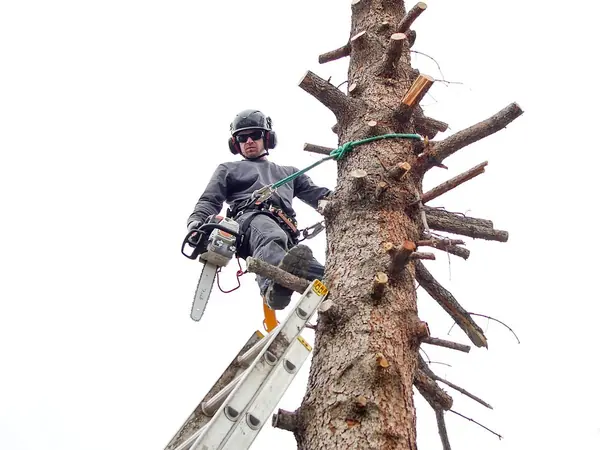
Spurs are for removals and emergency rescue only. Every gaff hole wounds the tree, so climb trees you are keeping on rope. Always work with a flip line or steel-core lanyard and keep two points of attachment when cutting.
Climbing spurs are part of your fall-protection system. Inspect gaffs, shanks, straps and pads before every climb, follow the manufacturer's instructions and ANSI Z133, and get trained before you climb on spikes.
Store spurs with gaff guards on, keep them away from other tools that can bend gaffs, and sharpen with a file only. Replace gaffs, straps and pads as they wear so the whole system stays dependable.
It varies by model and pads, but aluminum shanks are noticeably lighter than steel. Check the maker's listed weight for the exact set you are considering.
Spurs from reputable makers are built for climbing loads. Light alloys dent more easily than steel, so inspect them before each climb and retire damaged parts.
No. Use spurs only for removals or rescue. Prune live trees from a rope and saddle system.