Gecko
Replacement Pads for Gecko Climbers
Fresh cuff pads to keep Gecko spurs comfortable on removals.
Typical $49
 Spurs
Spurs
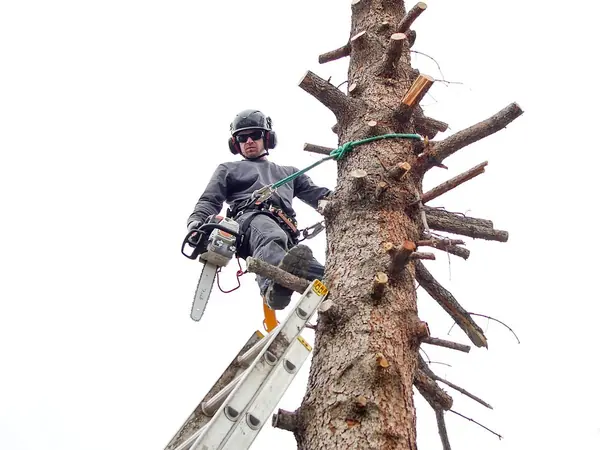
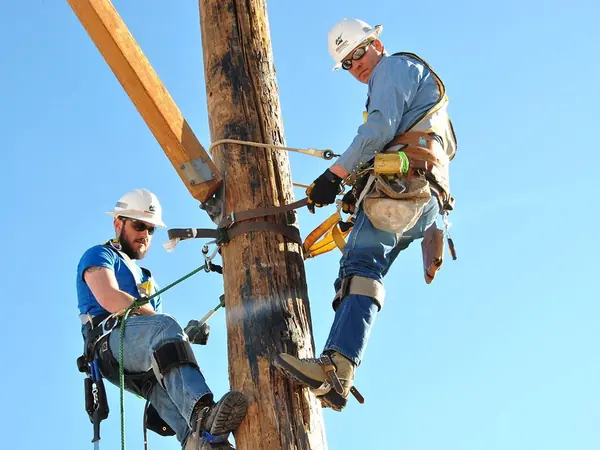
Representative photo. Check the retailer listing for the exact model, color and size.
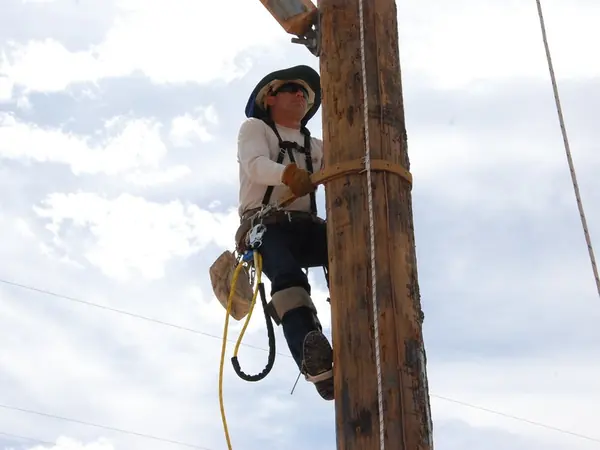
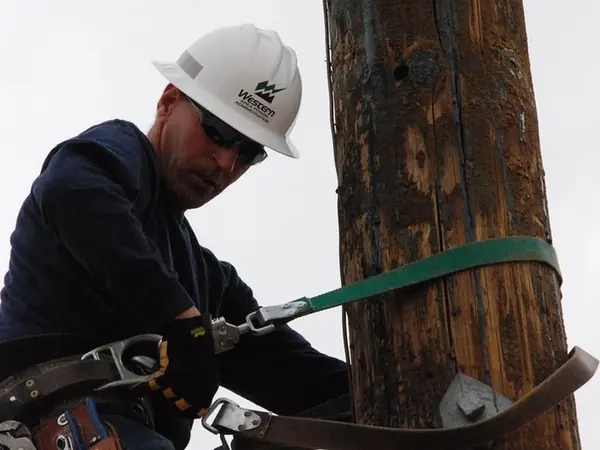
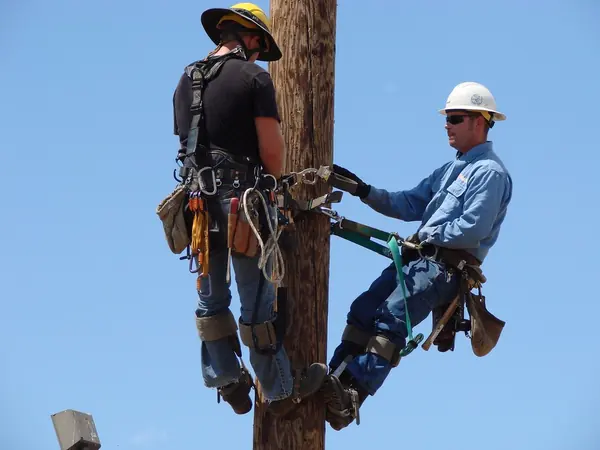
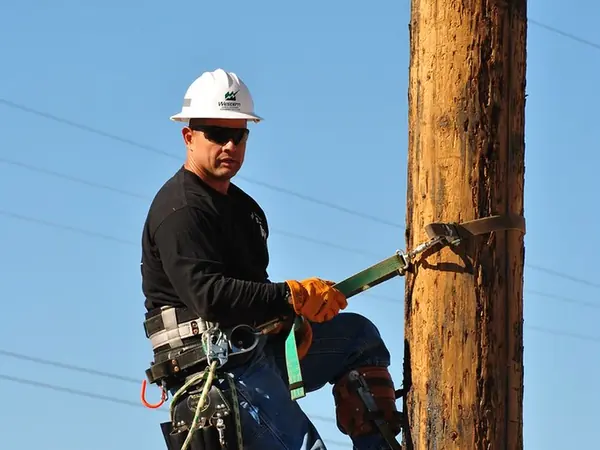
Photo: Wood pole ascent by Western Area Power Admin, CC BY 2.0
Replacement synthetic calf straps that hold spurs firm in wet weather.
Weaver synthetic upper climber straps replace the calf straps on your climbing spurs with a synthetic material that does not soak up water or stretch like old leather. Fresh uppers keep the shank tight to your leg so the gaff goes in at a consistent angle.
The upper strap holds the top of the spur shank against your calf. When it stretches or loosens, the spur rocks on your leg, the gaff angle changes with every step, and your ankles do more work than they should. On a long removal that is tiring and makes cutting out more likely.
Synthetic straps shrug off rain and sweat and do not need the oiling leather does. Combine them with new lower straps to make an older set of spurs feel solid again. Browse spurs and parts in climbing spurs.
Leather straps also crack and harden as they age, especially if they are stored wet or in a hot truck. Synthetic uppers avoid most of that, so a set of spurs that only comes out a few times a month stays ready to use. If your pads are flattened too, replace them at the same time so the new straps have something firm to hold against.
Check that the straps suit your spur model and your pads, then fit them so the shank sits snug without cutting off circulation. Buckles should close fully and the free ends should be secured so they do not catch on brush.
Inspect straps, buckles, pads, shanks and gaffs before every climb. Spurs are life-support gear on a removal: follow the manufacturer's instructions and ANSI Z133, use them only on removals or where rescue requires, and be trained before you climb on spurs.
| Position | Upper (calf) |
|---|---|
| Material | Synthetic |
| Brand | Weaver |
Specs are from the manufacturer's published figures where available. Confirm against the product listing before you buy.
Many spur straps are interchangeable, but check strap width and buckle style against your spurs before ordering.
Synthetic holds up better in wet weather and needs less care. Some climbers still prefer how leather breaks in; both work when fitted correctly.
Pairs well with
Gecko
Fresh cuff pads to keep Gecko spurs comfortable on removals.
Climb Right
Light aluminum removal spurs with wide, padded uppers for long days on spikes.
Climb Right
Lightweight aluminum climbers with stiff steel-backed pads for removal climbers.
Buckingham
Tough steel Buckingham spikes with wide Big Buck pads for everyday removal work.
Buckingham
Basic steel Buckingham climbers with lower straps, ready for the pads you choose.
Buckingham
Steel Buckingham tree spikes with traditional T-pad uppers for removal climbers.
Buckingham
Wide, padded replacement uppers that make long days on spurs easier on your calves.
Buckingham
Wide Big Buck uppers with a quick hook-and-loop closure for fast on and off.
Weaver Synthetic Upper Climber Straps$39