Climb Right
Climb Right Aluminum Climbers with Big Buck Pads
Light aluminum removal spurs with wide, padded uppers for long days on spikes.
Typical $389
 Aluminum Spurs
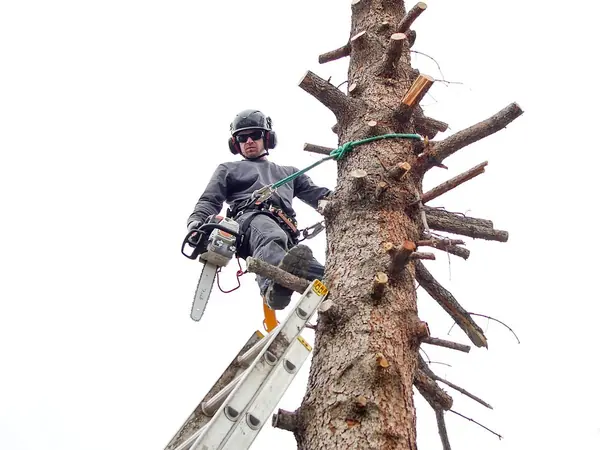
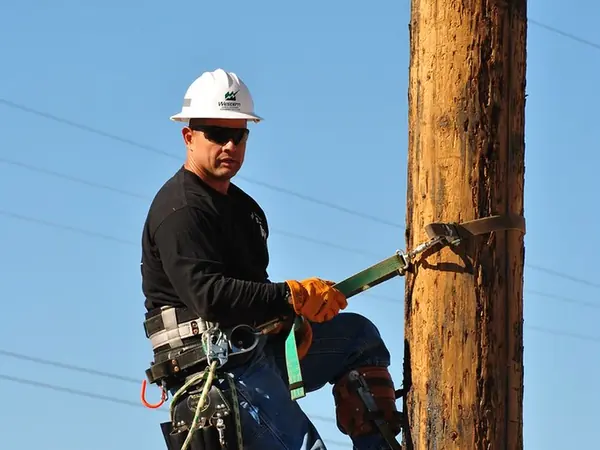
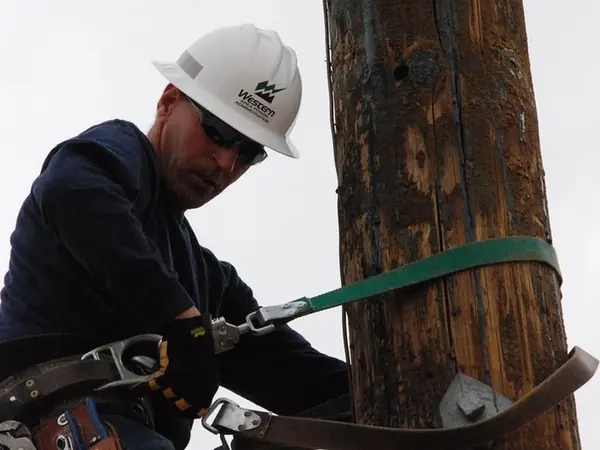
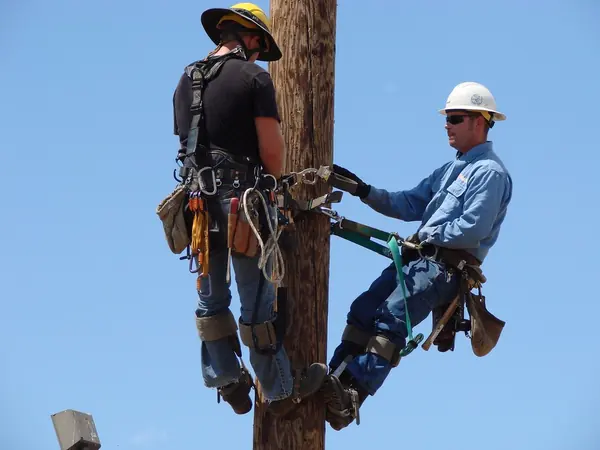
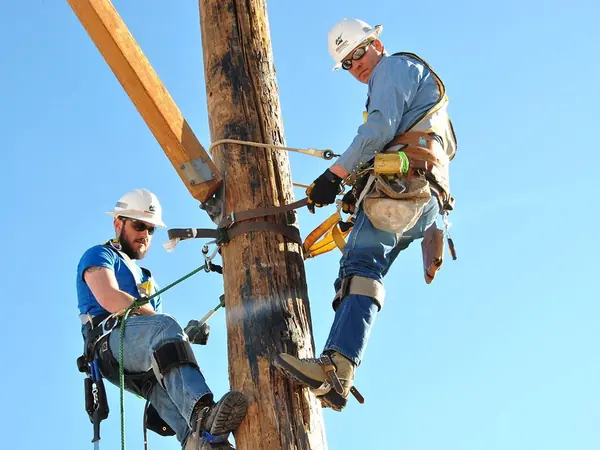
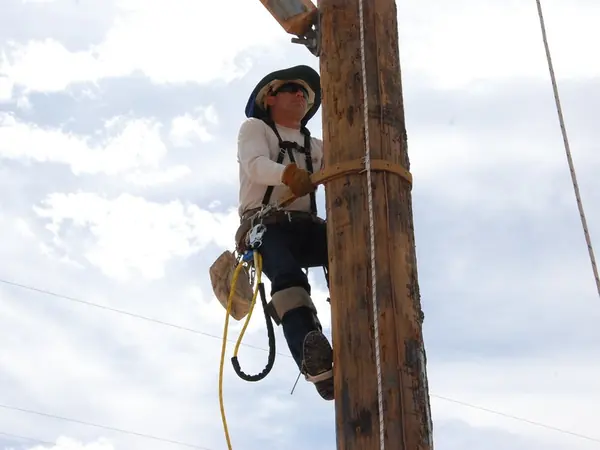
Representative photo. Check the retailer listing for the exact model, color and size.
Photo: Fall Protection Training, 2013 by Western Area Power Admin, CC BY 2.0
Lightweight aluminum climbers with stiff steel-backed pads for removal climbers.
Climb Right aluminum climbers with steel support pads keep weight down while a rigid support in the upper pad holds the shank steady against your leg. They are a good match for climbers who want a firm, locked-in feel on removals.
These climbers combine aluminum shanks with pads that carry a steel support. The stiff upper resists twisting, which keeps the gaff angle consistent when you kick in on rough bark or work around a stem. Climbers who dislike the softer feel of all-foam pads tend to like this setup.
Because the shanks are aluminum, you save weight on every step compared with steel climbers. Over a full day of removals that adds up. Compare this set with the Big Buck pad version in our aluminum spurs section if you want a wider, softer pad.
Set the shank so it sits just below the bend of the knee and wear a stiff boot with a steel shank. Keep gaffs sharp along the factory bevel and replace them when worn. Climbing spurs are part of your fall-protection system. Inspect gaffs, shanks, straps and pads before every climb, follow the manufacturer's instructions and ANSI Z133, and get trained before you climb on spikes. Use spurs only for removals, never for pruning a tree that will stay.
Before you order, measure from the floor to just below the bend of your knee in your climbing boots, and check that it falls inside the shank adjustment range. Pair the climbers with a flip line or steel-core lanyard and keep a second attachment point when you cut.
| Shank material | Aluminum |
|---|---|
| Pad style | Steel support pads |
| Gaffs | Replaceable tree gaffs |
| Intended use | Tree removal |
Specs are from the manufacturer's published figures where available. Confirm against the product listing before you buy.
Climbers who want a rigid, locked-in upper that keeps the spur from rolling. Some people find wider soft pads more comfortable, so try both if you can.
They are set up for tree work with replaceable gaffs. Confirm the gaff type with the seller before ordering.
Pairs well with
Climb Right
Light aluminum removal spurs with wide, padded uppers for long days on spikes.
Notch
Ergonomic spurs for removal climbers who want comfort without top-tier prices.
Climb Right
Lightweight aluminum tree climbers fitted with L-shaped pads.
Climb Right
Lightweight aluminum tree climbers fitted with shin cups.
Climb Right
Lightweight aluminum tree climbers fitted with T-pads.
Climb Right
Lightweight aluminum tree climbers fitted with Weaver ProCool wrap pads.
Climb Right
Lightweight aluminum tree climbers fitted with Weaver Super Climber pads.
Climb Right
Lightweight aluminum tree climbers fitted with Climb Right Ultra Light pads.
Climb Right Aluminum Climbers with Steel Support Pads$349