Climb Right
Climb Right Aluminum Climbers with Steel Support Pads
Lightweight aluminum climbers with stiff steel-backed pads for removal climbers.
Typical $349
 Aluminum Spurs
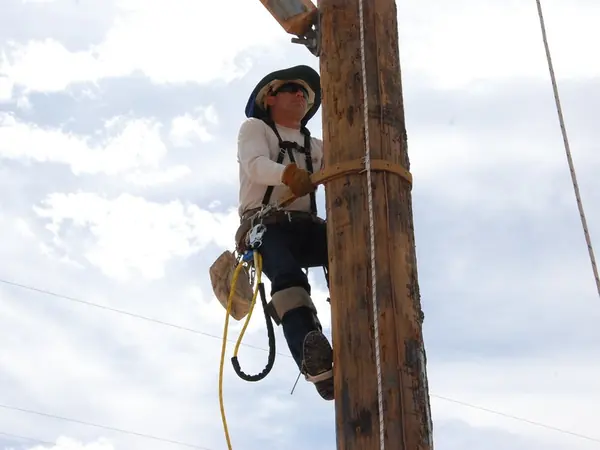
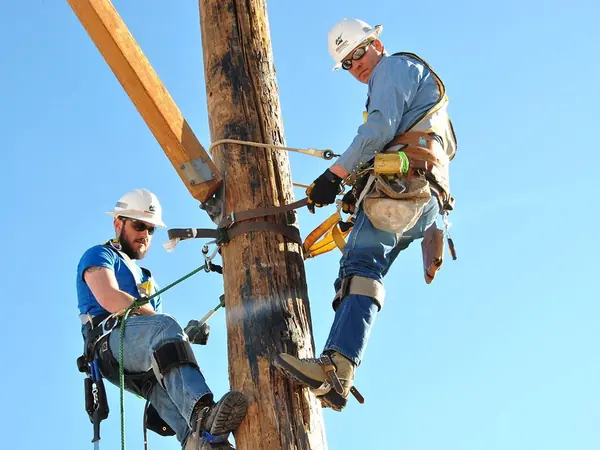
Representative photo. Check the retailer listing for the exact model, color and size.
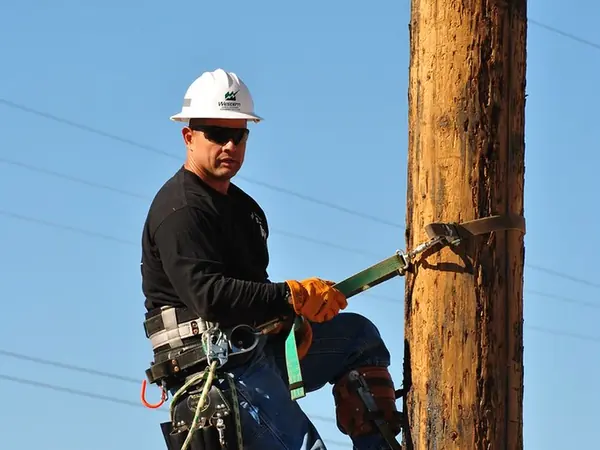
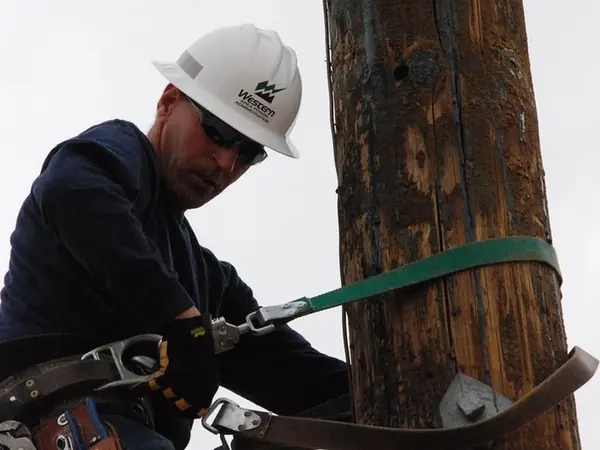
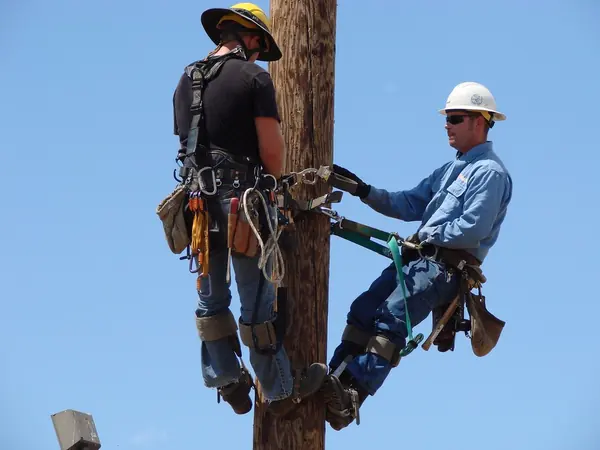
Photo: Wood pole ascent by Western Area Power Admin, CC BY 2.0
Light aluminum removal spurs with wide, padded uppers for long days on spikes.
Climb Right spurs pair lightweight aluminum shanks with Big Buck style pads, so you carry less weight on every step and spread the load across your calf. They suit removal climbers who are on spikes for hours, not minutes.
Every pound on your ankle gets lifted with every step. On a big removal you might take a few hundred steps up and down the stem, and that is where aluminum spikes earn their price. The shanks are noticeably lighter than a steel pair, so your legs feel fresher by the time you are tying in for the last few picks.
Aluminum is not the right choice for every crew. Steel shanks take more abuse from rocks, truck beds and being thrown on the ground, and they cost less. If you climb on spurs a few times a month, a steel pair is often the better value. If you are a removal specialist working spikes all week, the lighter set pays you back in reduced fatigue.
Pads are where most spur discomfort starts. Thin pads and narrow straps press into the top of your calf and the shin, and after an hour that pressure is all you can think about. The Big Buck pad is a wide, stiff, padded upper that wraps more of the leg, so load is spread over a larger area and the shank is held steadier against your boot.
A steadier shank also helps the gaff bite cleanly. When the upper flops around, the gaff can roll out of the bark on a hard kick. Wide pads keep the climber aligned with your leg so you can trust each step. If you already own pads you like, compare this set with the other aluminum spurs before you buy.
Set shank length so the top of the shank sits a couple of fingers below the bend of your knee. Too long and it digs in when you bend; too short and you lose leverage. Wear a stiff boot with a steel shank in the sole, since a soft boot lets the stirrup fold your arch over time.
Keep gaffs sharp with a file, following the original bevel, and replace them when they get short or chipped. Check strap stitching, buckles and pads before each climb. Climbing spurs are part of your fall-protection system. Inspect gaffs, shanks, straps and pads before every climb, follow the manufacturer's instructions and ANSI Z133, and get trained before you climb on spikes.
Spurs are for removals and emergency rescue, not for pruning or climbing a tree you plan to keep. Each gaff hole is a wound. Pair your spurs with a flip line or steel-core lanyard, a good saddle and a second attachment point when you are cutting. A well-fitted pair of Climb Right spurs with Big Buck pads is a solid base for that removal setup.
Before you order, measure from the floor to just below the bend of your knee while wearing your climbing boots. That number tells you whether the shank adjustment range fits you, and it saves a return.
| Shank material | Aluminum |
|---|---|
| Pad style | Big Buck padded uppers |
| Gaffs | Replaceable tree gaffs |
| Fit | Adjustable shank length |
| Intended use | Tree removal and dead-wood climbing |
Specs are from the manufacturer's published figures where available. Confirm against the product listing before you buy.
Aluminum shanks are designed for the loads of climbing, but they are softer than steel and dent more easily if abused. Store them carefully and inspect them for cracks or bends before each use.
Big Buck pads are designed around specific climber shanks. Check the manufacturer's fit information before mixing brands.
No. Spurs wound the tree, so use them only for removals or rescue. Prune live trees with a rope and saddle system.
Pairs well with
Climb Right
Lightweight aluminum climbers with stiff steel-backed pads for removal climbers.
Notch
Ergonomic spurs for removal climbers who want comfort without top-tier prices.
Climb Right
Lightweight aluminum tree climbers fitted with L-shaped pads.
Climb Right
Lightweight aluminum tree climbers fitted with shin cups.
Climb Right
Lightweight aluminum tree climbers fitted with T-pads.
Climb Right
Lightweight aluminum tree climbers fitted with Weaver ProCool wrap pads.
Climb Right
Lightweight aluminum tree climbers fitted with Weaver Super Climber pads.
Climb Right
Lightweight aluminum tree climbers fitted with Climb Right Ultra Light pads.
Climb Right Aluminum Climbers with Big Buck Pads$389