Buckingham
Buckingham Steel Climbers with Lower Straps
Basic steel Buckingham climbers with lower straps, ready for the pads you choose.
Typical $219
 Buckingham Steel Spurs
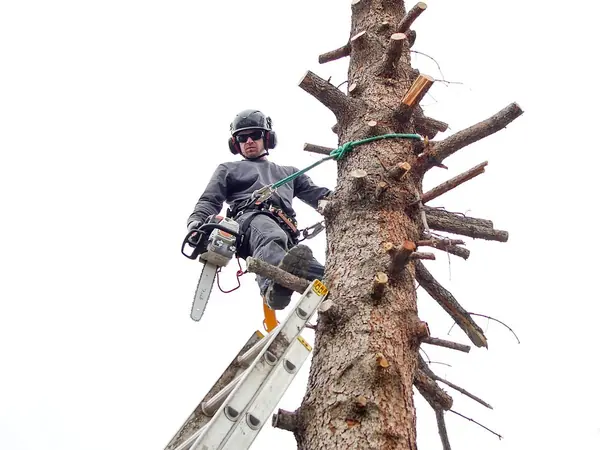
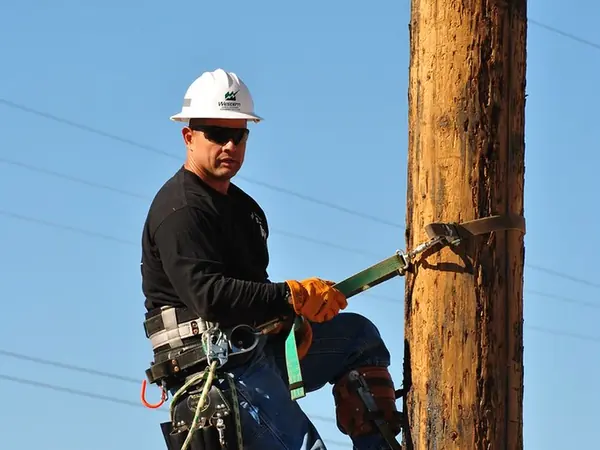
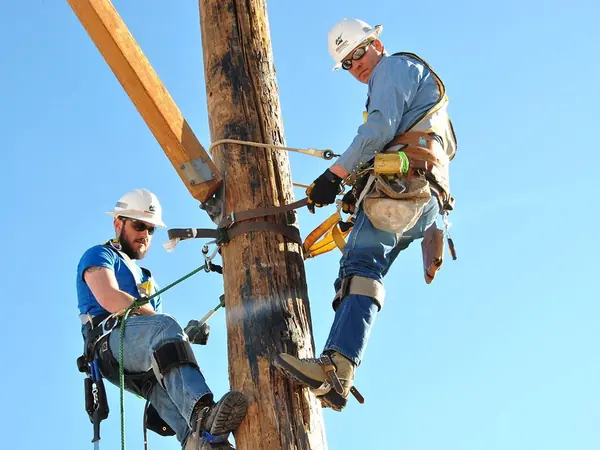
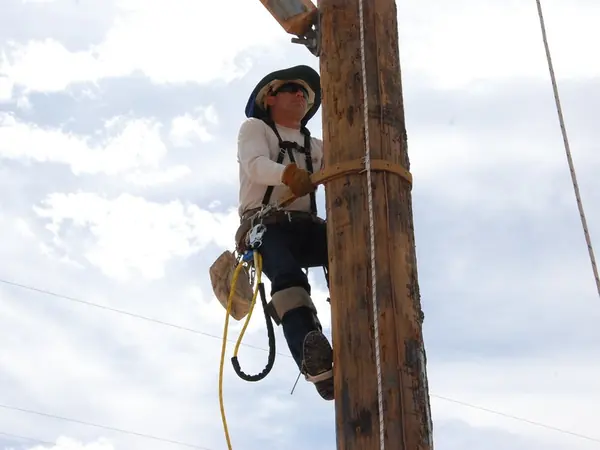
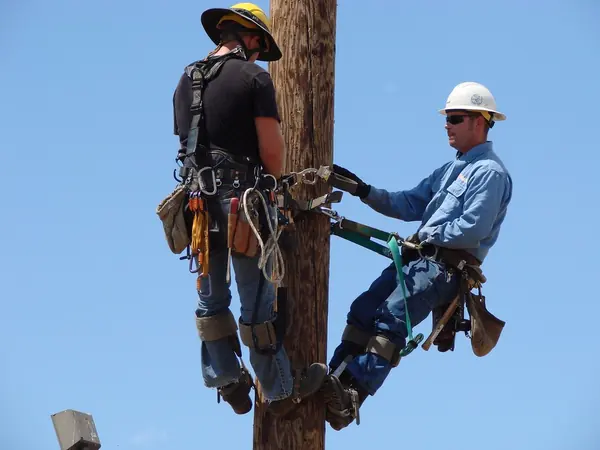
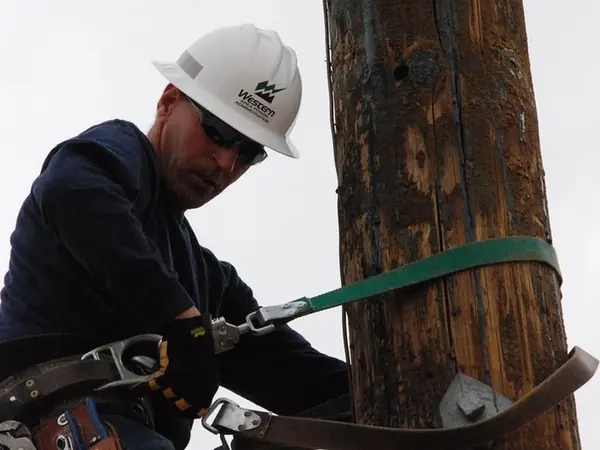
Representative photo. Check the retailer listing for the exact model, color and size.
Photo: Fall Protection Training, 2013 by Western Area Power Admin, CC BY 2.0
Tough steel Buckingham spikes with wide Big Buck pads for everyday removal work.
These Buckingham climbing spikes pair durable steel shanks with Big Buck pads, a combination many removal climbers run as their everyday set. Steel takes a beating on the truck and the job, while the wide pads keep your calves comfortable on long climbs.
Buckingham spikes have been a standard on tree crews for a long time, and the steel version is the workhorse. It weighs more than aluminum, but steel shrugs off getting tossed in a gear bin, dragged over rocks or stepped on in the yard. For a crew set that gets passed around, that toughness matters more than a few ounces.
The shanks adjust for leg length, and the gaffs are replaceable, so a good pair of Buckingham tree climbing spikes can last years with new straps, pads and gaffs along the way.
Buckingham spikes are also easy to service. Because the parts are widely stocked, a crew can keep several sets running for years by swapping straps and gaffs as they wear rather than retiring the whole climber.
Big Buck pads are wide, padded uppers that wrap the calf. The width spreads load and stops the buck spur from rocking, which keeps the gaff angle consistent on each kick. Climbers moving from basic strap uppers usually notice the difference in the first hour.
If your current pads are worn out, you can buy replacement climber pads on their own instead of a whole new set of climbers.
Big Buck pads also help on stems with rough or thick bark, where you need a firm kick to set the gaff. A pad that holds the shank tight against the leg puts that force straight into the point instead of letting the climber twist.
The lower straps wrap the boot and hold the stirrup in place. Run them snug, not crushing, with the stirrup under the arch of a stiff boot with a steel shank. A soft boot lets the stirrup fold your foot and leads to sore arches. A buck strap for tree climbing only works if the boot under it is stiff.
Check strap leather or webbing for cuts and cracking. Replace straps before they look marginal, not after.
Pay attention to how the straps wear at the buckle. That is where leather cracks and webbing frays first. A climber that slips on the boot mid-climb is a serious problem, so treat straps as a wear item and keep a spare set in the truck.
Sharpen gaffs with a file along the factory bevel; never grind them on a wheel, which can overheat the steel. Replace gaffs when they get short. Climbing spurs are part of your fall-protection system. Inspect gaffs, shanks, straps and pads before every climb, follow the manufacturer's instructions and ANSI Z133, and get trained before you climb on spikes.
Use spurs for removals only. Every gaff hole wounds the tree, so prune live trees from a rope system instead.
Store spurs with gaff guards on. Guards protect the points and protect you, your rope and your truck seats from a sharp gaff. Keep spurs out of the bottom of the gear bin where other tools can bend the gaffs or crush the pads.
| Shank material | Steel |
|---|---|
| Pad style | Big Buck padded uppers |
| Gaffs | Replaceable tree gaffs |
| Lower straps | Included |
| Fit | Adjustable shank length |
| Intended use | Tree removal |
Specs are from the manufacturer's published figures where available. Confirm against the product listing before you buy.
Steel is tougher and less expensive; aluminum is lighter. Daily removal climbers often go light, while crews sharing gear usually choose steel.
Yes. Pads, straps and gaffs are all replaceable parts, so you can rebuild a set instead of buying new climbers.
A stiff, high-ankle work boot with a steel shank in the sole supports your arch on the stirrup. Many climbers use dedicated lineman or climbing boots.
Pairs well with
Buckingham
Basic steel Buckingham climbers with lower straps, ready for the pads you choose.
Buckingham
Steel Buckingham tree spikes with traditional T-pad uppers for removal climbers.
Buckingham
Durable steel tree climbers from Buckingham, fitted with L-shaped pads.
Buckingham
Durable steel tree climbers from Buckingham, fitted with shin cups.
Buckingham
Durable Buckingham steel tree climbers fitted with Weaver ProCool hook-and-loop pads.
Buckingham
Durable steel tree climbers from Buckingham, fitted with Weaver steel support pads.
Buckingham Steel Climbers with Big Buck Pads$329