Buckingham
Buckingham Steel Climbers with Big Buck Pads
Tough steel Buckingham spikes with wide Big Buck pads for everyday removal work.
Typical $329
 Buckingham Steel Spurs
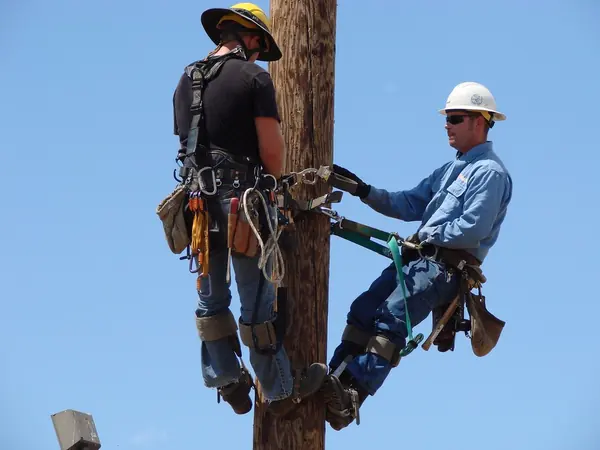
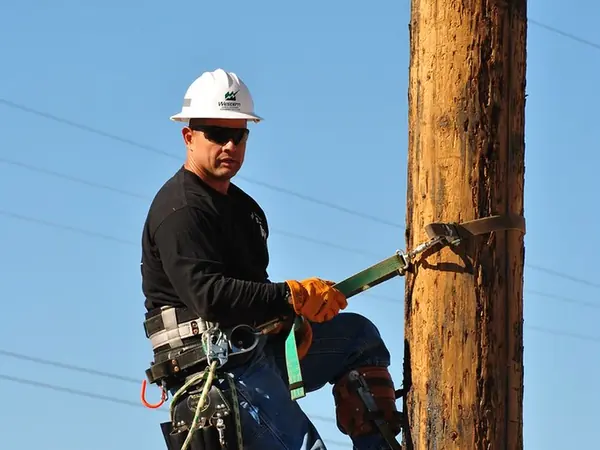
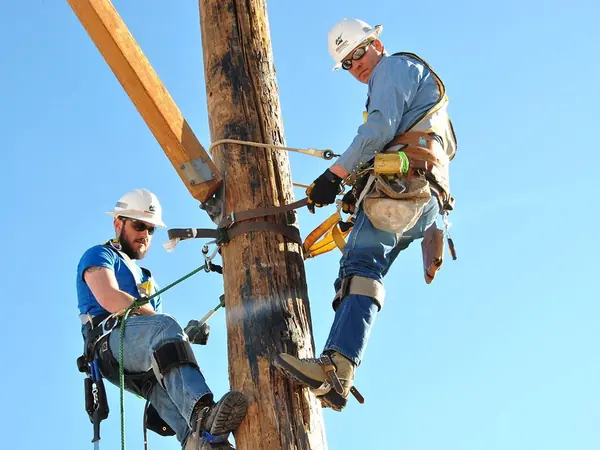
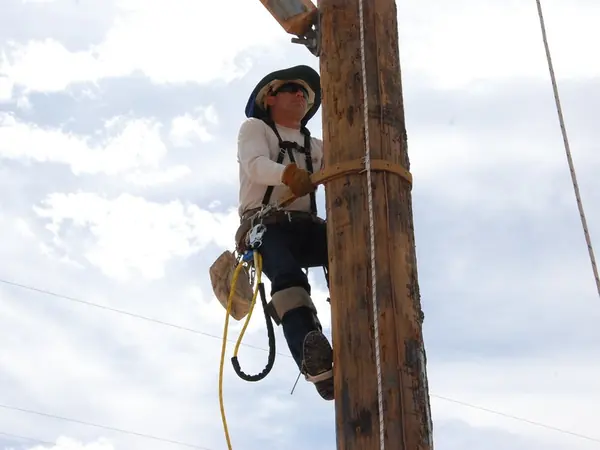
Representative photo. Check the retailer listing for the exact model, color and size.
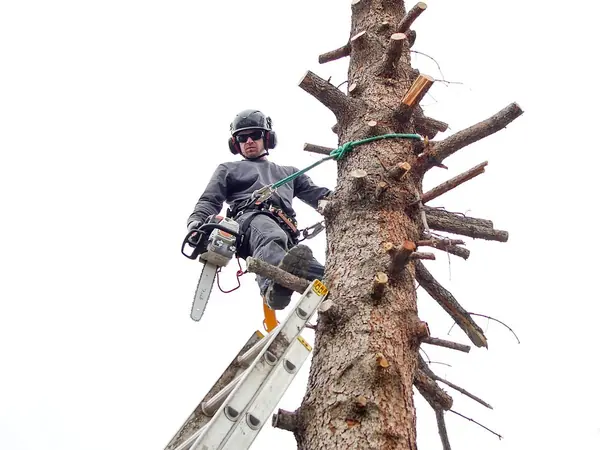
Photo: TVCF003 by Symic, CC BY 2.0
Steel Buckingham tree spikes with traditional T-pad uppers for removal climbers.
These Buckingham tree spikes combine steel shanks with T-pads, a traditional upper that is lighter and less bulky than wide wrap pads. Many climbers like the T-pad for its simple, close fit and easy strap adjustment.
The T-pad is the traditional upper on Buckingham spikes. It is a T-shaped pad that sits against the calf with a strap around the leg. It carries less bulk than a full wrap pad, so it packs smaller and feels less hot in summer.
Paired with steel shanks, these Buckingham climbing spikes are a durable, straightforward removal set. If you want more comfort for long days, look at the Big Buck pad version in our Buckingham steel spurs lineup.
Steel shanks are the practical choice for crews that share gear or climbers who only spike a few removals a month. They cost less than aluminum and handle rough storage, so Buckingham tree spikes like these can live in the truck and still be ready when the next removal comes in.
Spurs only work as well as the boot under them. Look for tree climbing boots with a steel shank in the sole and good ankle support. The stirrup sits under the arch, and a stiff sole keeps it from bending your foot on every step.
Snug the lower strap around the boot so the stirrup cannot slide, and set the upper strap firm but not tight enough to cut off circulation. Adjust shank length so the top sits just below the bend in your knee.
If your feet hurt after a day on spurs, look at the boot before the spur. Tree climbing boots with a steel shank spread the stirrup load across the sole, and a boot with a defined heel keeps the stirrup from sliding forward.
Sharpen gaffs with a file along the factory bevel and keep the point sharp enough to bite without a hard kick. Replace gaffs that are short, chipped or bent. Check pads and straps for wear, cuts and cracked leather.
Climbing spurs are part of your fall-protection system. Inspect gaffs, shanks, straps and pads before every climb, follow the manufacturer's instructions and ANSI Z133, and get trained before you climb on spikes. Spurs belong on removals and rescues only; climb live trees on rope.
Keep gaff guards on whenever the spurs are off your legs, both to protect the points and to keep a sharp gaff away from your rope and the truck seats.
On a removal, set your flip line around the stem before you start climbing and keep it adjusted so you can lean back into it. Climb with short, deliberate steps and set each gaff at a slight angle into the wood rather than flat against the bark.
When you reach your work position, set a second attachment before you start the saw. Spurs give you footing, but your lanyard and climbing line hold you. Rest often on long climbs; tired legs lead to sloppy kicks and cut-outs.
| Shank material | Steel |
|---|---|
| Pad style | T-pads |
| Gaffs | Replaceable tree gaffs |
| Fit | Adjustable shank length |
| Intended use | Tree removal |
Specs are from the manufacturer's published figures where available. Confirm against the product listing before you buy.
They are comfortable for many climbers, especially on shorter climbs. For all-day removals, wider pads like Big Buck pads spread load better.
Use a stiff work or climbing boot with a steel shank in the sole. Soft hikers or sneakers are not suitable.
Yes. Uppers are replaceable, so you can move to Big Buck pads without replacing the climbers.
Pairs well with
Buckingham
Tough steel Buckingham spikes with wide Big Buck pads for everyday removal work.
Buckingham
Basic steel Buckingham climbers with lower straps, ready for the pads you choose.
Buckingham
Durable steel tree climbers from Buckingham, fitted with L-shaped pads.
Buckingham
Durable steel tree climbers from Buckingham, fitted with shin cups.
Buckingham
Durable Buckingham steel tree climbers fitted with Weaver ProCool hook-and-loop pads.
Buckingham
Durable steel tree climbers from Buckingham, fitted with Weaver steel support pads.
Buckingham Steel Climbers with T-Pads$279