Climb Right
Climb Right Aluminum Climbers with Big Buck Pads
Light aluminum removal spurs with wide, padded uppers for long days on spikes.
Typical $389
 Aluminum Spurs
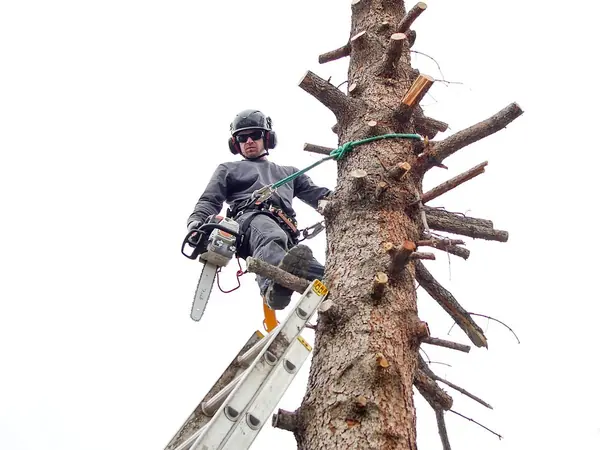
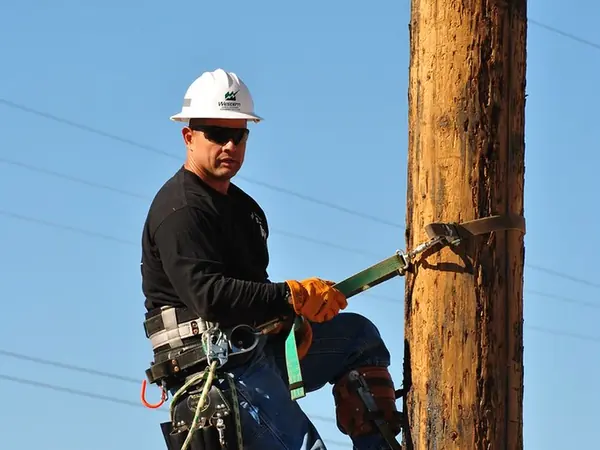
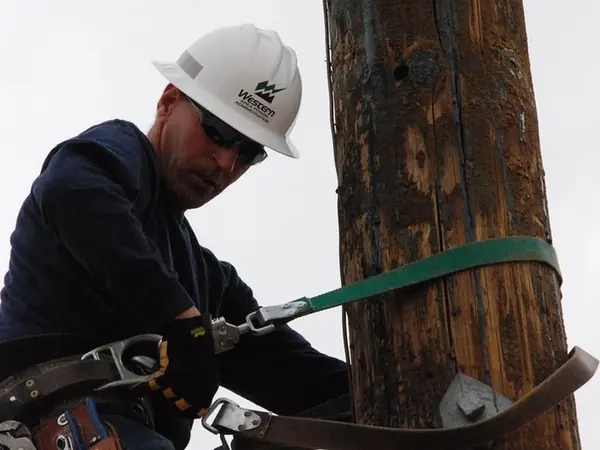
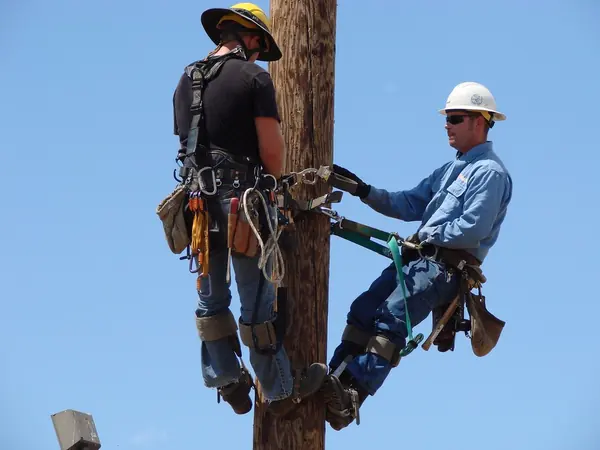
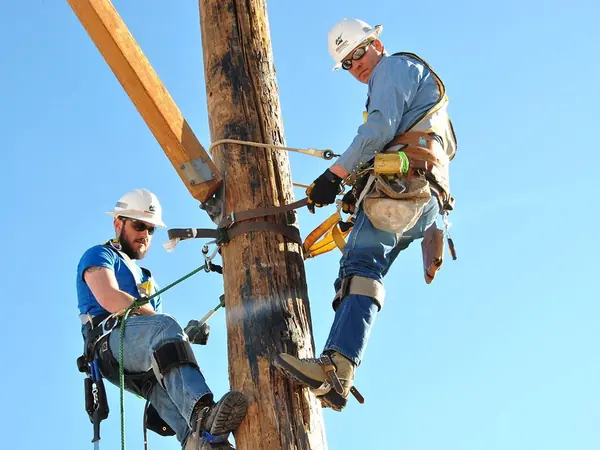
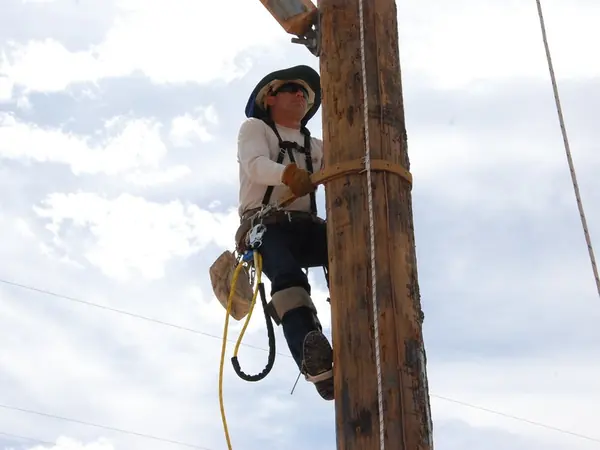
Representative photo. Check the retailer listing for the exact model, color and size.
Photo: Fall Protection Training, 2013 by Western Area Power Admin, CC BY 2.0
Aluminum tree climbing spikes for climbers who spend long days on removals.
Honey Badger tree climbing spikes are aluminum spurs built for climbers who want a lighter set on their feet during long removal days. Less weight at the ankle means less fatigue over a long climb, especially on tall spars.
Every step on spurs means lifting that weight with your legs. On a long removal or several in a day, a lighter set of aluminum climbing spikes cuts down on fatigue in your knees and hips compared with heavier steel climbers.
Fit matters as much as weight: the shank should match your lower leg length and the pads should spread the load. Compare other aluminum spurs to find the right length and pad system.
Aluminum spurs are a popular upgrade for climbers who do a lot of removal work, but they still need the same fit and care as any set of climbers. Pads that spread the load and straps that hold the shank snug to your leg make a bigger difference to comfort than weight alone.
Use climbing spurs only for removals and for emergency access, never for pruning a tree that will stay, since gaffs wound the tree. Keep the gaffs sharp and at the correct profile so they bite cleanly instead of cutting out.
Before each climb, check shanks, gaffs, straps, and fasteners for cracks, wear, and looseness, and always climb with a lanyard and climbing line in place. Life-support gear must meet the applicable standard and the manufacturer's instructions, be inspected before every climb, and be used only by trained climbers working to ANSI Z133.
| Type | Climbing spurs |
|---|---|
| Material | Aluminum |
| Use | Tree removal |
Specs are from the manufacturer's published figures where available. Confirm against the product listing before you buy.
No. Spurs wound the tree. Use them only for removals and emergency access.
Measure from the arch of your foot to just below the knee and match the shank length to that measurement as the maker directs.
Pairs well with
Climb Right
Light aluminum removal spurs with wide, padded uppers for long days on spikes.
Climb Right
Lightweight aluminum climbers with stiff steel-backed pads for removal climbers.
Notch
Ergonomic spurs for removal climbers who want comfort without top-tier prices.
Climb Right
Lightweight aluminum tree climbers fitted with L-shaped pads.
Climb Right
Lightweight aluminum tree climbers fitted with shin cups.
Climb Right
Lightweight aluminum tree climbers fitted with T-pads.
Climb Right
Lightweight aluminum tree climbers fitted with Weaver ProCool wrap pads.
Climb Right
Lightweight aluminum tree climbers fitted with Weaver Super Climber pads.
Honey Badger Tree Climbing Spikes$499