Buckingham
Buckingham Buckalloy Screw and Dowel Style Replacement Tree Gaffs
Screw and dowel style Buckalloy tree gaffs to bring worn Buckingham spurs back.
Typical $89
 Gaffs & Spur Parts
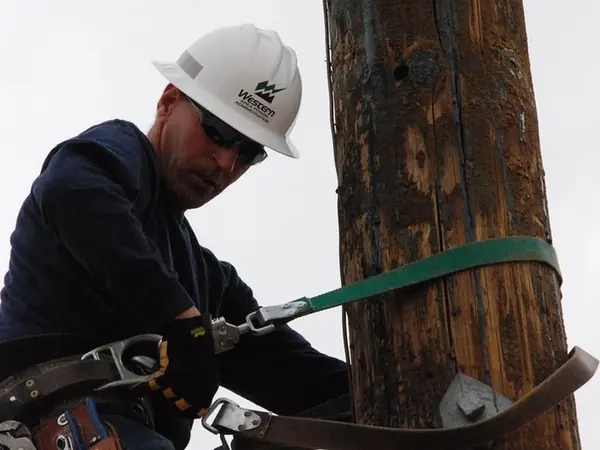
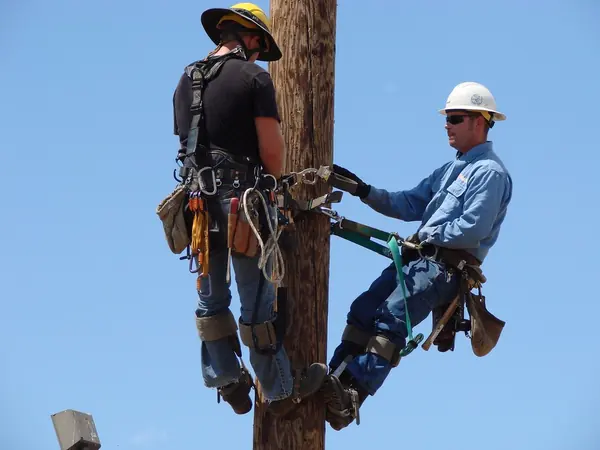
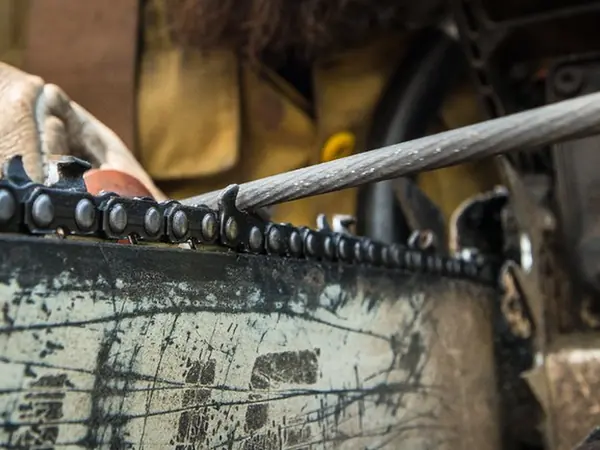
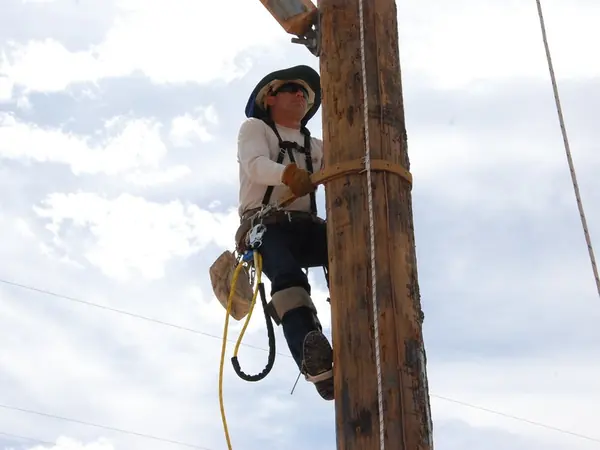
Representative photo. Check the retailer listing for the exact model, color and size.
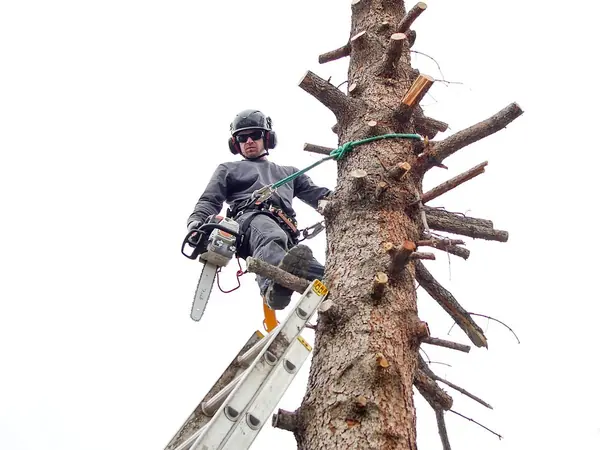
Photo: TVCF003 by Symic, CC BY 2.0
Webbing lower straps for spurs that handle wet days without much care.
Weaver Brahma Webb lower climber straps are webbing replacement ankle straps for climbing spurs. Webbing shrugs off rain and mud better than leather and needs less upkeep, while still holding the stirrup snug to your boot.
Lower straps live in the wettest, dirtiest spot on your spurs: down at the boot, in mud, wet grass, and sawdust. Webbing does not need conditioning, dries quickly, and does not crack the way neglected leather can. For crews working in wet climates or climbers who do not want to baby their gear, webbing is the practical choice.
Confirm the strap suits your spur layout before ordering. Upper straps, gaffs, and guards are in our replacement gaffs and parts section.
Webbing straps are also a good match for climbers who work storm cleanups and wet-season removals, when gear rarely gets a chance to dry out between jobs. Replace both lower straps at once so they cinch the same on each leg, and keep a spare set in the truck for when one gets cut by a gaff or a chain.
Route the strap across the boot as your spur maker intends and cinch it so the stirrup cannot shift. Wear boots with a solid heel and shank for spur work.
Inspect the webbing and buckles before every climb. Replace straps that are cut, frayed, melted, or have damaged hardware. Spur work belongs on removals, done by trained climbers with a flipline in place, following ANSI Z133.
| Type | Lower climber straps |
|---|---|
| Material | Webbing |
| Line | Weaver Brahma Webb |
Specs are from the manufacturer's published figures where available. Confirm against the product listing before you buy.
Webbing holds up well in wet conditions. Re-check tightness during the day either way.
Rinse off mud and sap with water and mild soap and let them air dry.
Pairs well with
Buckingham
Screw and dowel style Buckalloy tree gaffs to bring worn Buckingham spurs back.
Edelrid
Replacement upper straps and pads for Edelrid Talon climbing spurs.
Distel
Fresh pads, rings and straps to put worn Distel climbers back in service.
Buckingham
Replacement adjustable sleeve that restores height adjustment on Buckingham steel spurs.
Buckingham
A simple template that keeps your spur gaffs filed to the right shape.
Climb Right
Fresh tree gaffs to bring a worn set of Climb Right spurs back into service.
Climb Right
Replacement height sleeve and hardware for adjustable Climb Right steel climbers.
Climb Right
Spare screws to keep the pads tight on Climb Right Ultralight climbers.
Weaver Brahma Webb Lower Climber Straps$29